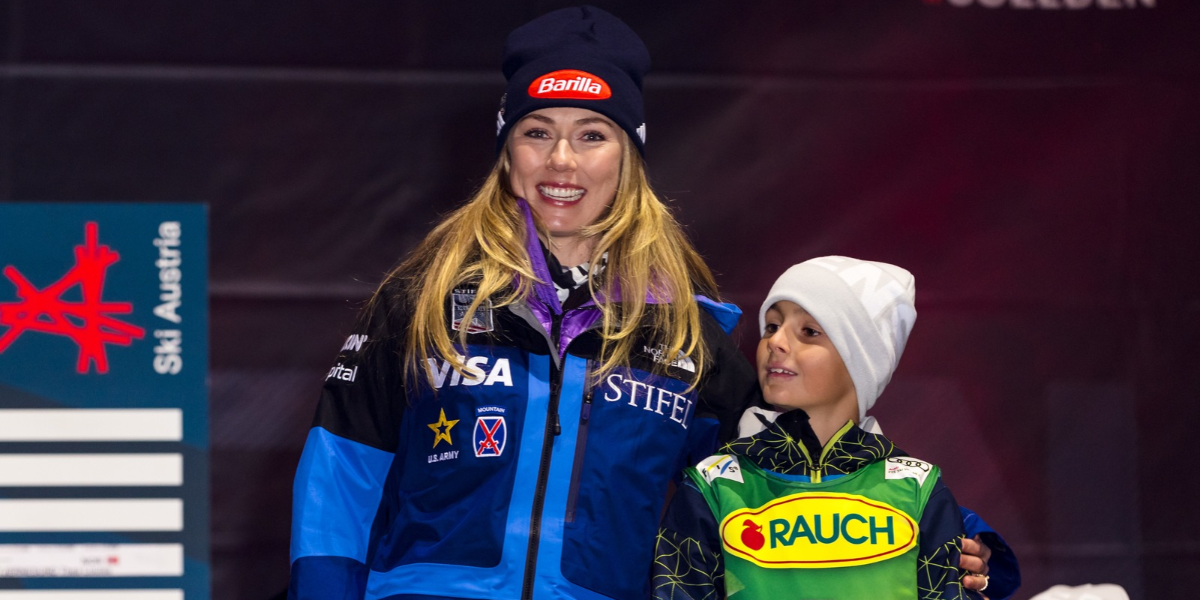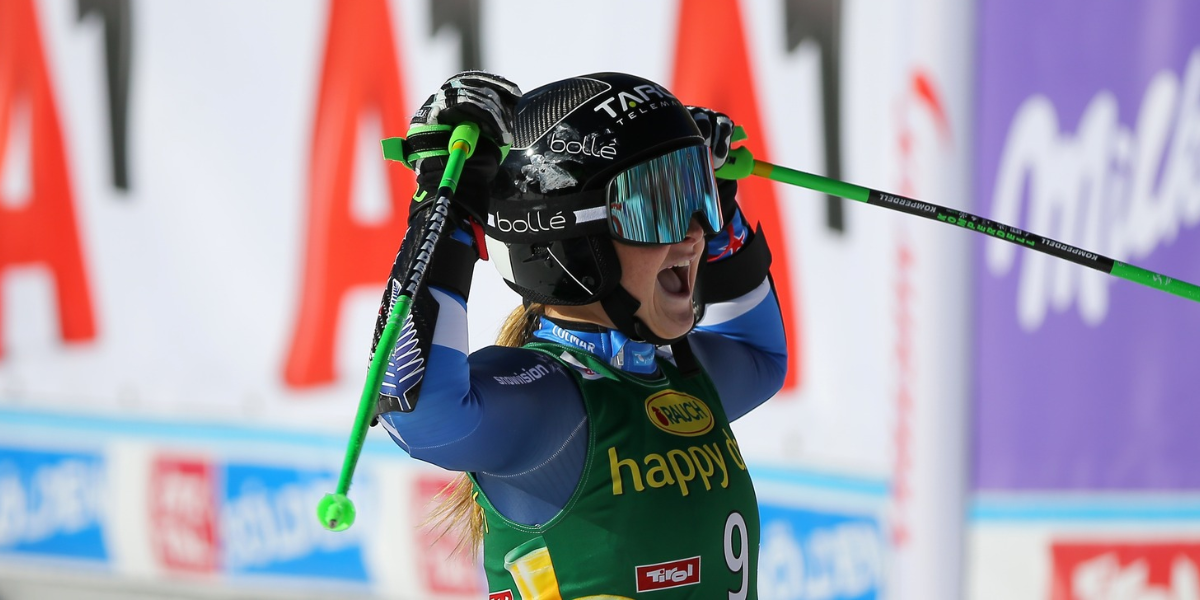

Katie Hensien and Nina O’Brien: GEPA pictures
In a letter to the editor, Erik Schlopy, a former ski racer with an impressive track record, shares his insight into the recent success of Stifel U.S. Ski Team members returning from injury. Schlopy’s voice carries weight; he helped shape the recent back-to-ski successes and navigated his career through significant challenges. Known for 18 World Cup top tens and a third-place finish in the 2003 St. Moritz World Championships after an astounding climb from 23rd in the first run, Schlopy understands the grit required. His perspective on the team’s achievements adds depth and context to their accomplishments.
Erik Schlopy’s letter to the editor
On Saturday, Oct. 26, I woke up thrilled to see the Women’s World Cup GS results from Sölden, Austria. After returning from serious injuries, Nina O’Brien and Katie Hensien achieved career-best results (7th and 4th)! I’m still brimming with excitement for them.
My first thought was, “It worked!” And then, “I’m so proud of my friends Dane Spencer and Josh Applegate,” who orchestrated the “return to ski” program that has been instrumental for these two exceptional athletes and several others. In the following days, I hoped to see this program heralded for its tremendous success. But there was no mention in the media, no thanks from the “higher ups,” no recognition or connection to these essential milestones. So, I’m writing this to fill that gap.
I write out of love for alpine ski racing and great pride in our country’s potential for success in this sport. My name is Erik Schlopy. I spent nearly two decades on the World Cup circuit, competing in three Olympic Games and earning a World Championship Giant Slalom medal in 2003. I’m honored to be in the US Ski and Snowboard Hall of Fame, but more importantly, I know what it’s like to come back from injury. I had four knee surgeries, six compressed vertebrae, a displaced sternum, broken ribs, a punctured lung, and countless fractures. I know firsthand that what Spencer and Applegate have achieved is significant..
They are remarkable figures in this sport. Together, they bring nearly a century of experience to alpine ski racing. Applegate coached the US Men’s Team for over a decade, and Spencer, a former US Ski Team coach, competed at the sport’s highest level and came back from a traumatic injury where he broke his neck and shattered his pelvis. Still, his passion for the sport has never wavered. These individuals combine deep dedication, knowledge, and a profound ability to support, communicate with, and inspire athletes.
Their program for injured athletes is unprecedented. Off the slopes, Spencer has an innate understanding of ski and boot setups, while Applegate brings an in-depth knowledge of physiology. On the hill, they take a holistic approach, incorporating drills, focused free-skiing, and what Spencer calls the most crucial component: discussions with their athletes. Chairlift rides become invaluable conversations about equipment, mental approaches, recovery tactics and strategies. The goal is to build the athlete’s self-awareness and “skier IQ,” equipping them to thrive independently.
No one has all the answers to success in ski racing; it’s a complex puzzle. However, what Spencer and Applegate have done with dozens of athletes has proven effective. They’ve turned injury—a setback for most—into a genuine opportunity. This opportunity is precisely what alpine skiing needs in this country.
Despite the success of their program, the US Ski Team no longer uses it. Unfortunately, this is a missed opportunity. We need to leverage our resources, especially when they’re as impactful as Spencer and Applegate’s work. Their program should be seen as a strategic asset, a hidden gem in ski racing that should be recognized and supported. Please pass it on!
Sincerely,
Erik Schlopy OLY
About the Author: Erik Schlopy