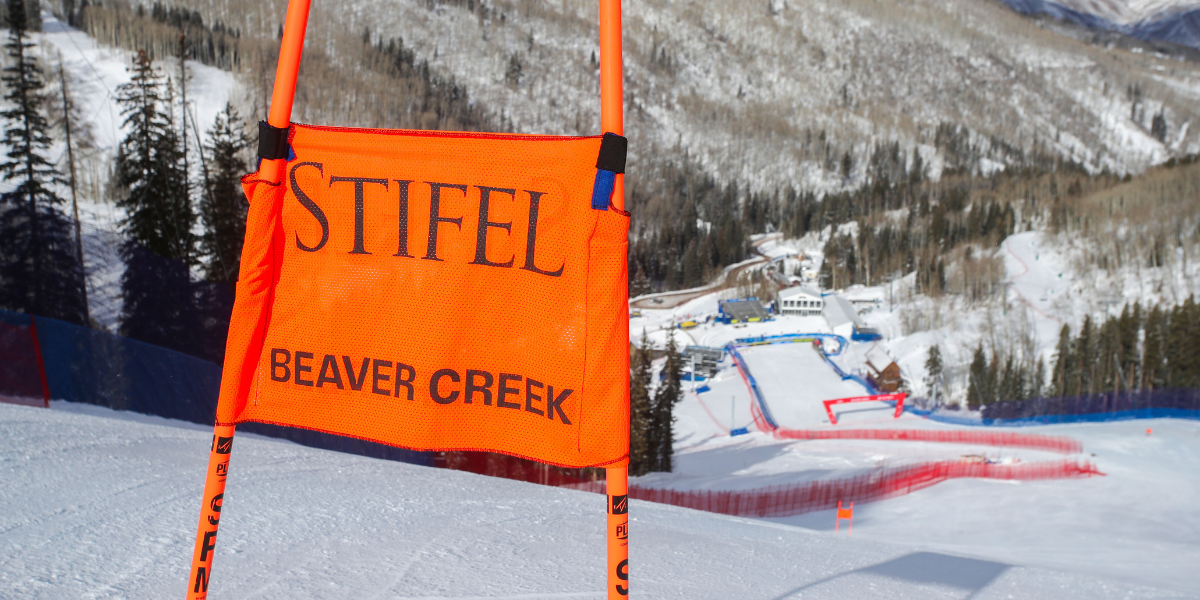
Beaver Creek / GEPA pictures
Before a ski area can host an international alpine race, the course must pass a detailed technical and safety review.
That process is called homologation.
FIS homologation confirms that a course meets the standards required for a specific discipline. Without a valid certificate, a venue cannot host a FIS race, Continental Cup, World Cup, World Championships or Olympic competition.
At its core, homologation determines whether a hill can support safe and fair international racing.
Approval for a Specific Discipline
FIS does not issue one blanket approval for every type of race on a slope.
Instead, homologation applies to a specific discipline. A downhill certificate covers downhill only. The same rule applies to super-G, giant slalom and slalom.
Certificates remain valid for a maximum of five years for speed events and 10 years for technical events.
Elena Gaja Des Ambrois, chair of the FIS Sub-Committee for Alpine Skiing Courses, has overseen the process since 2014. Her signature appears on every FIS homologation certificate.
“Homologation consists of a full survey conducted by qualified FIS homologation inspectors,” Gaja Des Ambrois told FIS. Inspectors determine whether a slope meets the geometric, terrain and safety requirements for a particular event.
No race on the FIS calendar can take place without that approval.

Why Inspections Take Place Without Snow
Although homologation governs winter racing, inspectors complete most course surveys during the warmer months.
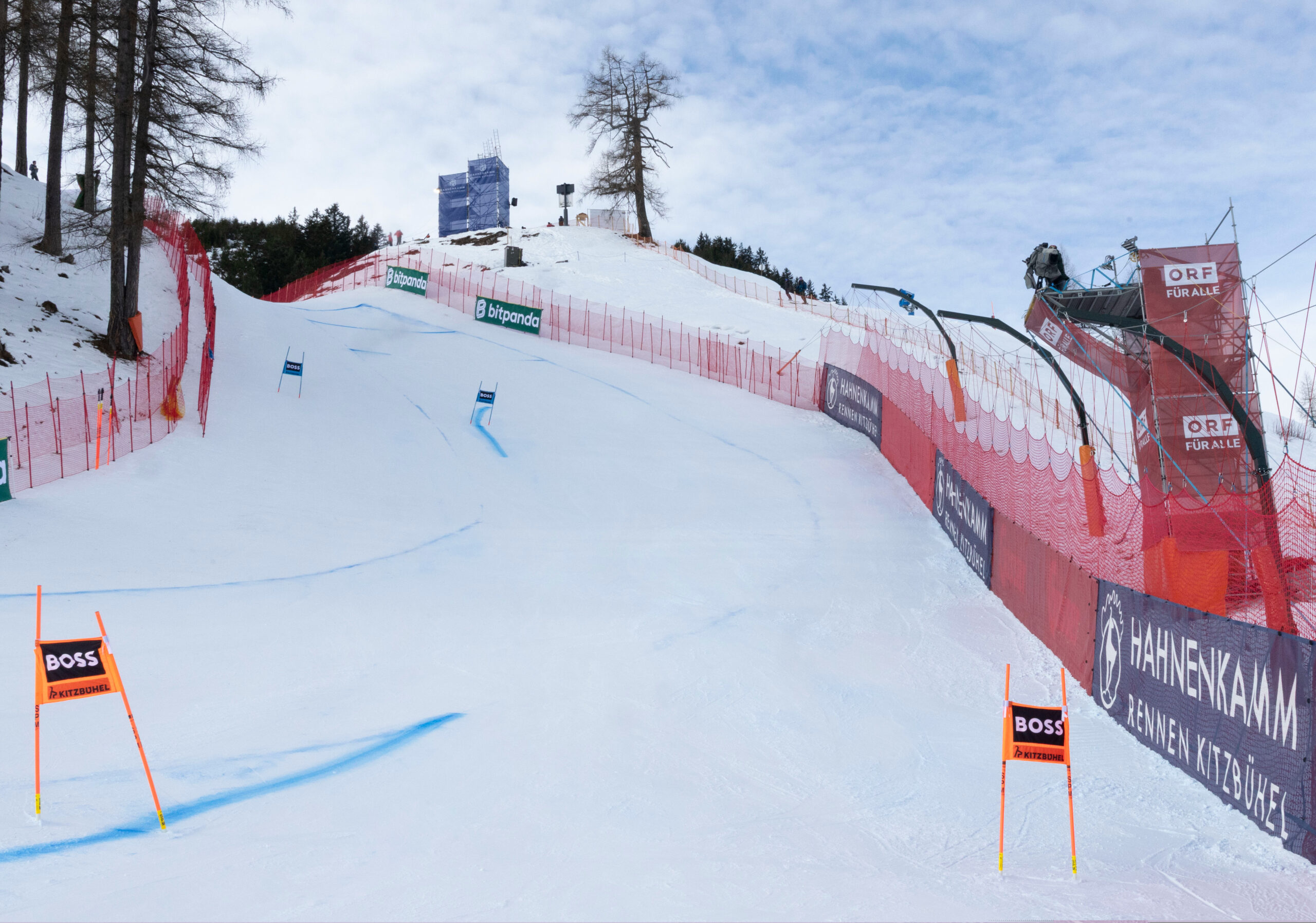
Snow can hide hazards. Therefore, inspectors need to see the underlying terrain.
They look for rocks, trees, lift towers, buildings, drainage structures and other natural or artificial obstacles. They also identify where organizers must install A-nets, B-nets, air mattresses or other protection.
Inspectors do not expect resorts to remove every obstacle. Instead, they assess the width of the course, the likely racing line and the surrounding terrain. Then, they determine how organizers can keep athletes from reaching dangerous areas.
A survey may also identify work that the resort must complete before approval. That can include widening the course, clearing vegetation, removing boulders or installing permanent protection.
FIS issues about 450 homologation certificates each year. According to Gaja Des Ambrois, Austria, France, Italy, Switzerland and the United States account for approximately 65% of the annual total.
However, inspectors also work throughout Asia, South America and other developing ski regions.
What Inspectors Examine
A homologation survey involves much more than measuring vertical drop.
The inspector walks the course with the ski area owner or operator. Together, they review course width, gradient, terrain changes, obstacles and proposed safety systems.
For speed events, FIS also encourages the venue’s regular course setter to participate.
That local knowledge matters. Downhill and super-G usually follow an established route, and the course setter can explain where gates typically sit, how racers approach major turns and where protection is most important.
The inspector also determines the approved start and finish locations. Those points may differ from the resort’s original plan.
Emergency response forms another major part of the review. Inspectors document how medical teams would remove an injured athlete and whether evacuation would take place by sled, ambulance or helicopter.
They also record the distance to medical facilities, lift access, travel time from the finish to the start and other operational details.
Because alpine racing depends on accurate timing, the survey covers timing infrastructure as well. Inspectors may also note wind exposure, avalanche risk and typical snowfall levels.
“Homologation is the first ring of the safety chain,” Gaja Des Ambrois told FIS. “We are the first on the course, months before the jury and the TD on race day.”
Safety Requirements Must Remain Practical
A World Cup venue may have a large budget for terrain work and safety systems. A smaller hill hosting lower-level races often has fewer resources.
As a result, inspectors must identify solutions that satisfy FIS requirements without demanding unnecessary or unrealistic construction.
That makes the process collaborative.
Inspectors work with organizers to determine which protections a course needs and where they will have the greatest effect. However, a venue cannot receive approval until it completes the required work.
Once the inspector accepts the hill, the report goes to the FIS Sub-Committee for Alpine Skiing Courses. FIS then reviews the documents and issues a certificate with a unique homologation number and expiration date.
The timeline varies.
If the hill already meets the standards and the paperwork is complete, FIS can issue the certificate quickly. Missing documents or required terrain work can delay the process for months.
Click on the image to enlarge
Indoor Ski Racing Continues to Expand
Homologation now reaches beyond traditional outdoor ski areas.
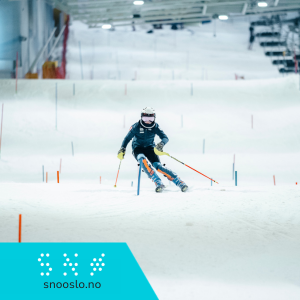
FIS has approved indoor courses in China, including venues in Chengdu, Harbin and Wuhan. The Netherlands, Belgium, Norway and Lithuania also have homologated indoor slopes.
China has become a leader in the development of those facilities as it works to expand participation in snow sports.
However, indoor venues face limits.
Most do not provide enough vertical drop for higher-level racing. An outdoor FIS slalom generally requires at least 120 meters of vertical drop for women and 140 meters for men. Many indoor facilities offer only 50 to 60 meters.
As a result, indoor slopes currently host FIS entry-league races rather than higher-level competition.
Organizers have adapted by using formats such as three-run slaloms. Those events carry higher race penalties because indoor courses are shorter and generally easier than natural race hills.
New formats could create more opportunities in the future. Still, the lack of vertical drop remains a major barrier to World Cup-level racing indoors.
Even so, homologated indoor venues could play a growing role in athlete development, year-round training and the expansion of ski racing into new markets.
Could the Same Standards Improve Training Safety?
FIS requires homologation for competition, but not for daily training.
Gaja Des Ambrois believes that difference deserves attention.
Athletes complete far more training runs than race runs during a season. Yet training venues do not always receive the same oversight as competition courses.
They may not have a jury, technical delegate or formal requirement to follow a detailed safety plan.
Gaja Des Ambrois suggested that FIS and national ski associations could eventually provide broader guidance for training hills. Those recommendations could address safety-net placement, hill preparation, equipment control and other common risks.
Such guidance would not necessarily require every training venue to undergo formal homologation. Instead, it could help clubs, academies and national teams apply proven safety practices more consistently.
Homologation cannot remove every risk from alpine ski racing. However, it ensures that qualified inspectors have examined the terrain, identified hazards and established the required protections before an athlete leaves the start gate.
Information Source: FIS-Ski.com
About the Author: SR Staff Report