The Méribel/Courchevel FIS Alpine World Ski Championships are over. It was a lot of fun to watch. The championships provided multiple takeaways we can learn from. Here are my views in no particular order.
Laurence St-Germain
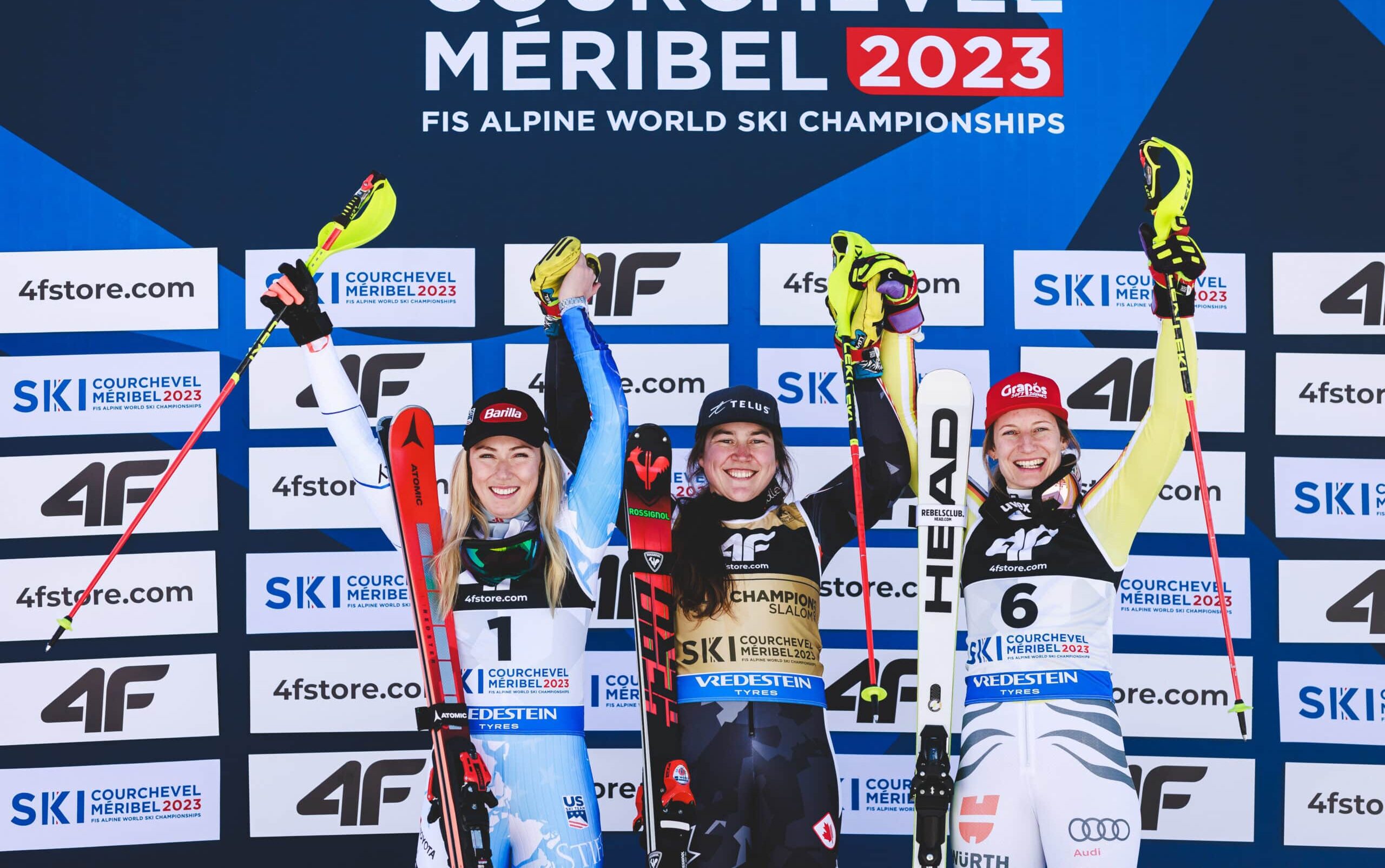
The Laurence St-Germain lesson: NCAA racing is a valid development vehicle. The spectacular victory by St-Germain in the women’s slalom should emphatically prove this argument. Further evidence is Paula Moltzan’s gold in the team event and Ginnis’s tenure at Dartmouth. It is enough said! There were many former and current NCAA athletes at this World Championships.
AJ Ginnis
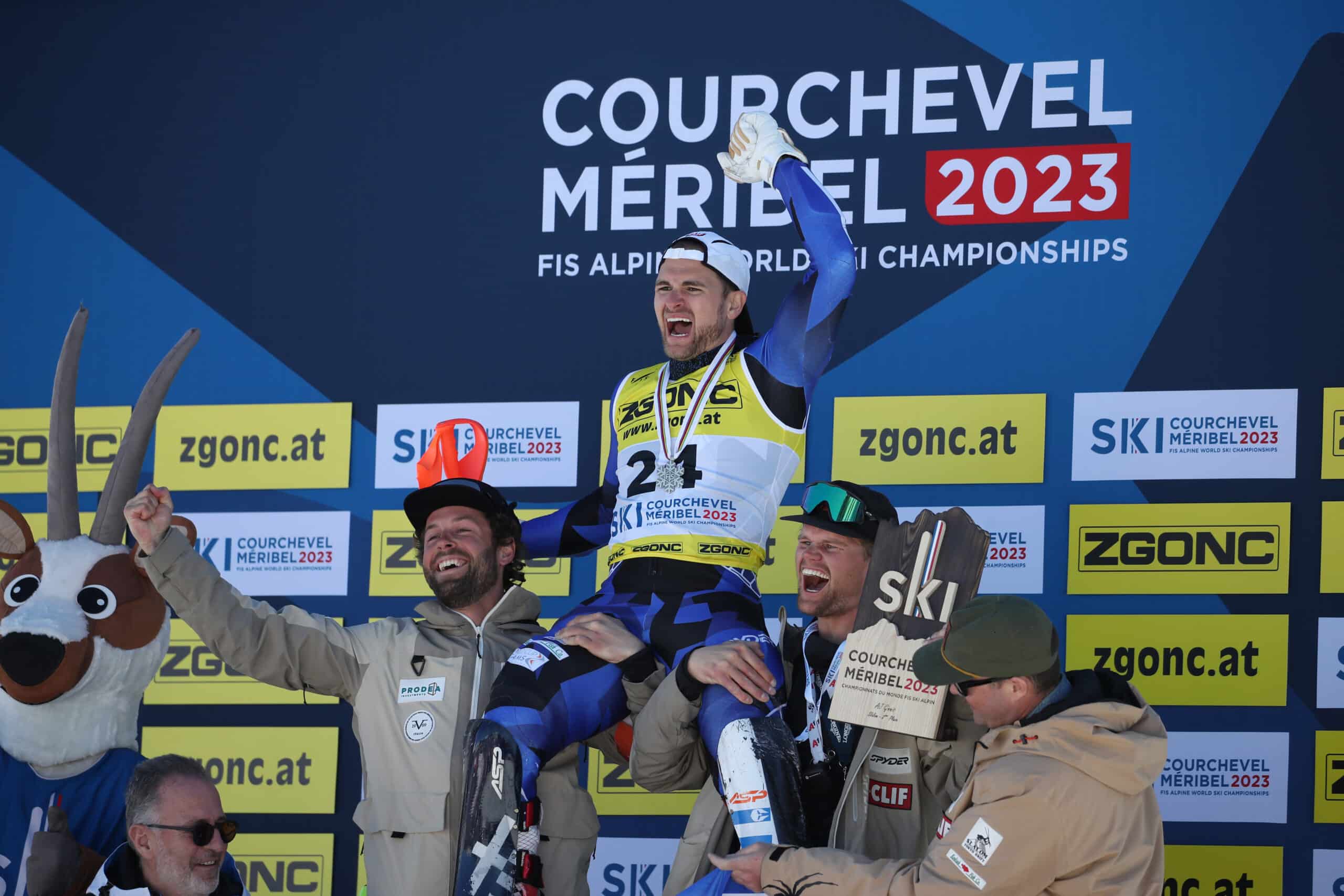
AJ Ginnis’s silver in the men’s slalom teaches us several lessons.
- Forget only supporting young, obvious podium athletes. AJ was cut from the US Ski Team as not worth the investment. He had to ski for another country to get his opportunity to win a World Championship Silver Medal.
- The first seed does not win all races. Ginnis was not in the first or the second seed when he won silver for Greece. He started bib number 24. Gold medalist St-Germain started bib number 18.
- It takes patience. AJ showed his promise early as a World Junior Medalist, but that was long ago. He has been skiing World Cup for ten years. At 28 years old, he earned his first WC podium only two weeks ago, skiing remarkably to finish 2nd from bib number 45. That result moved him into the top 30 start list. Well done, AJ!
Mikaela Shiffrin
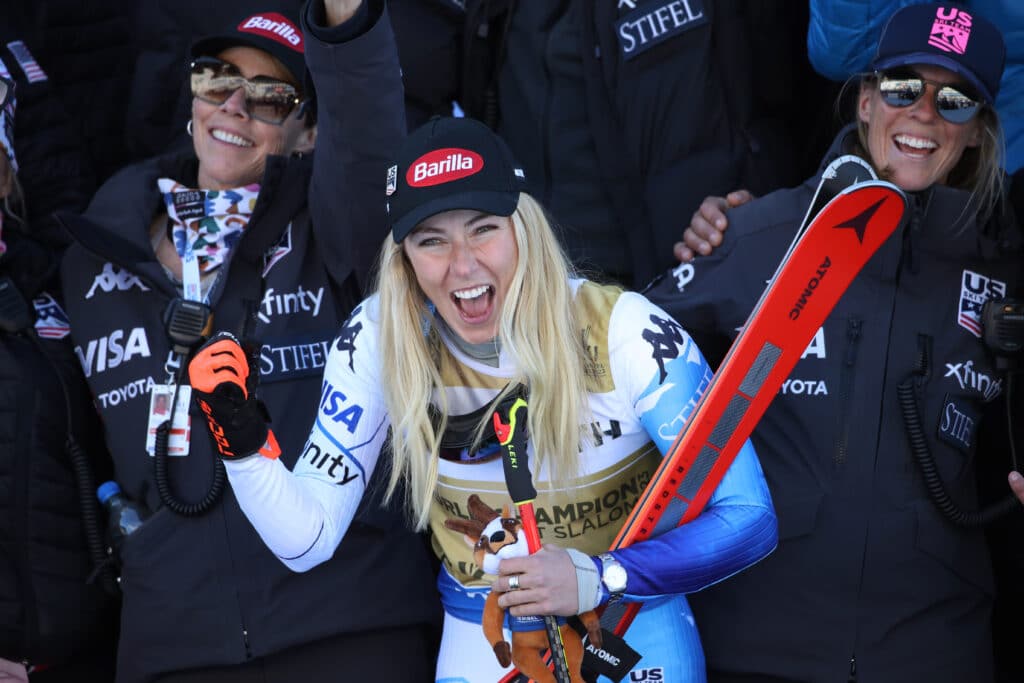
The Mikaela Shiffrin lesson is flexibility. No informed person would argue that the record-breaking performances by Shiffrin would have happened without her mother, Eileen, coaching her all these years. It almost didn’t happen. When Mikaela was first on the US Ski Team, they told the young Shiffrin her mother could not travel with her to the World Cup races. It was only after much discussion and arm-twisting that they relented. Good thing.
The Shiffrin experience should be a lesson to all levels of ski racing. This development model is not an unusual situation. There are many other examples of top World Cup athletes, men and women, who have been coached or managed by their parents. A couple of recent examples are Henrik Kristoffersen and Lara Gut-Behrami. Ski Racing will be running an article about this subject in the off-season.
Henrik Kristoffersen
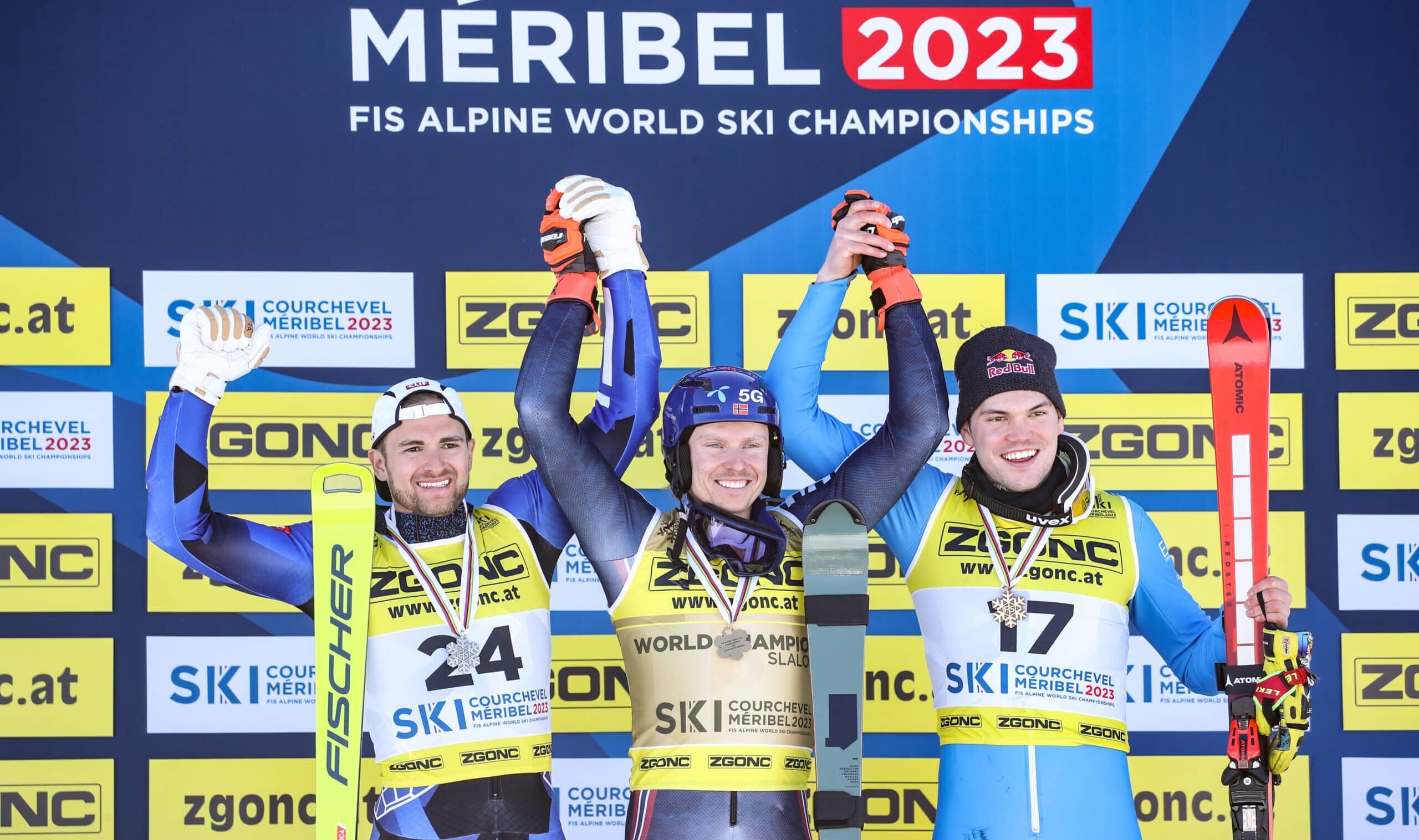
The lesson Henrik Kristoffersen offered is not to give up. Henrik started the men’s SL in the first seed with bib number 6. He had a very disappointing first run finishing 16th. Most would have said his medal chances were over. But not Henrik. He charged the second run and none of the next 15 skiers with up to a (-0.91) advantage could match Henrik’s combined time and he won gold.
The USA has a vast pool of talent. We need to support our best until a more productive up-and-comer bumps them from their position. Criteria should be flexible. Let’s not have another AJ Ginnis win a medal for another country.
About the Author: Dan Leever