Birds of Prey Crowd Photo: Meredith Guinan
World Cup Speed Stars Weigh In
Marco Odermatt commands the attention of an NFL quarterback whenever he’s recognized in public in Switzerland or Austria—and it happens often.
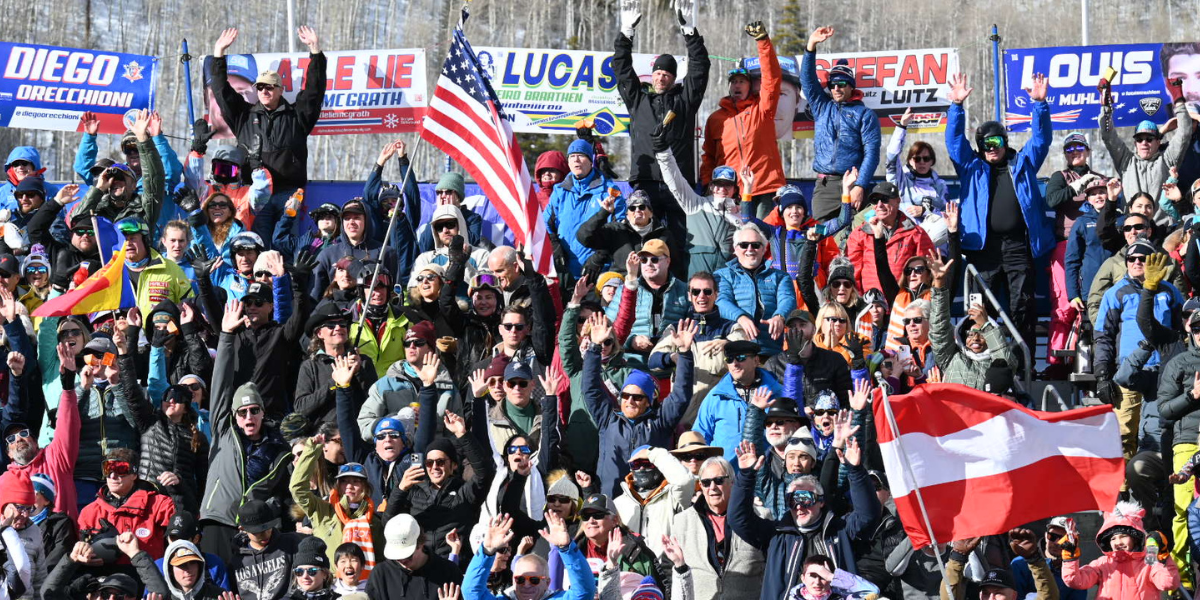
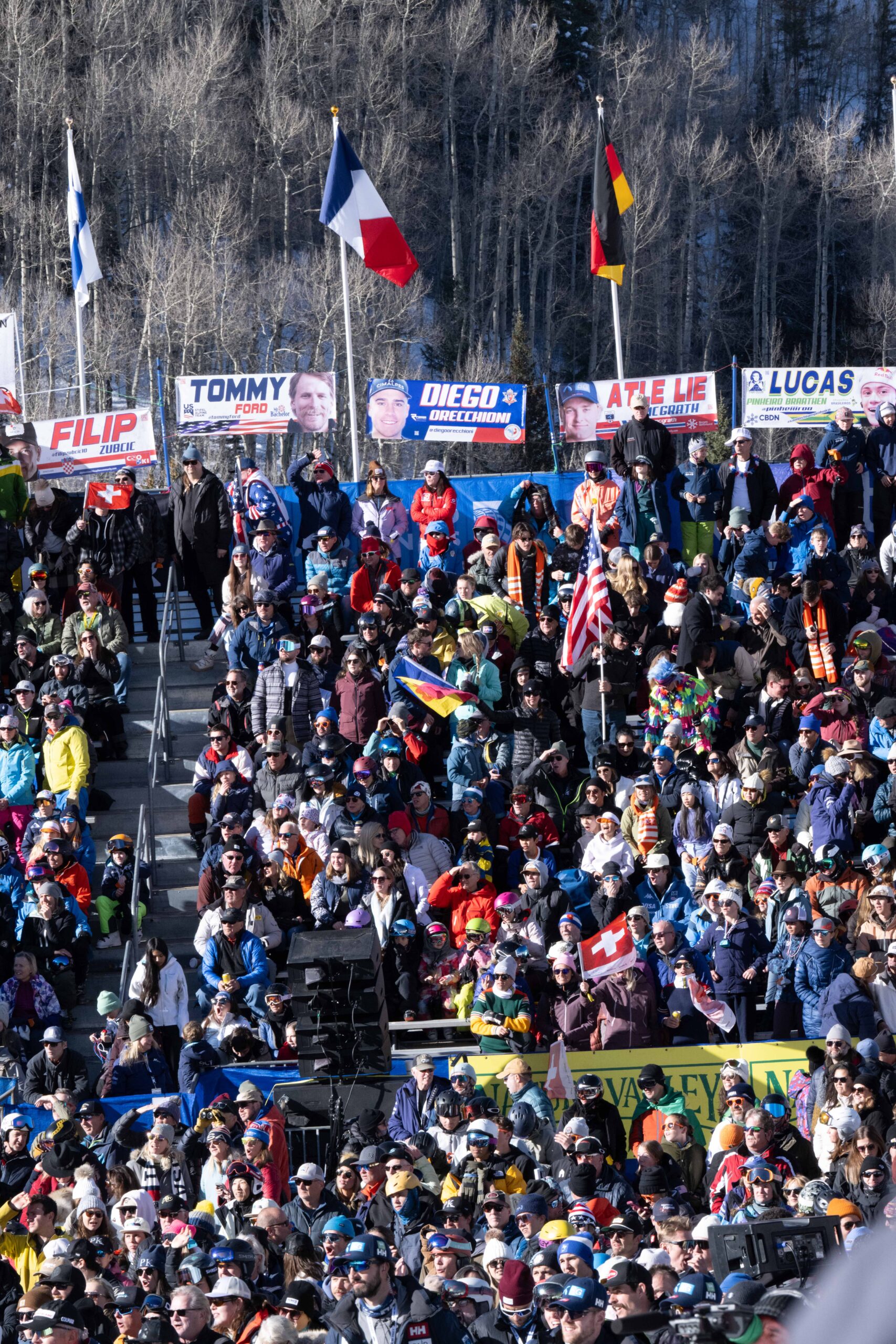
With Alpine skiing being the national sport in Austria, the Kitzbühel downhill usually attracts around 45,000 spectators. Although there is a long-standing, die-hard crowd that attends the Birds of Prey races every year, Beaver Creek’s event averages about 13,000 spectators throughout the weekend.
Racing in the U.S. appears to be happening more frequently, particularly this season, with the World Cup Finals scheduled for Sun Valley, Idaho. However, for top athletes, the U.S. Alpine racing culture is different from Europe. They see the benefits and drawbacks of each.
“It’s a little bit less crowded here, but still, the atmosphere is nice,” Odermatt said at Beaver Creek this December. “I think people love skiing, maybe a little bit less the competition, but maybe, hopefully, they can make it bigger and bigger in the U.S. as well. [Beaver Creek festivities] are definitely making a step in the right direction.”
The Swiss superstar said walking freely around town without being recognized or followed is ‘the biggest difference’ between competing in the U.S. and Europe. Even lower-profile racers like Italian veteran Dominik Paris agree that anonymity can be a luxury.
click on image to enlarge
The Pros and Cons of Recognition
“I like to be every year in America,” Paris said. “It’s so easy. You can turn around and nobody knows you. You can talk to people normally. That’s a big difference than in Europe. In Austria, for example, it’s only skiing. It’s like football in America. Everybody knows you. You can’t go out because everyone is watching you.”
Paris, however, recognizes the benefits of being noticed.
“It’s really good because if they know you, it means you had a good career, or you’re doing something good. But sometimes it’s not so nice because you’re around your family and you always have to keep attention around you. I know some guys in America, they’re watching the races. They’re big fans. They know you when you’re around. But America is so big that with our small business, they can’t really catch us.”
Making Connections and Speaking the Same Language
Slovenian skier Miha Hrobat, who landed his first-ever World Cup podium in the Birds of Prey downhill this December, believes that the smaller but still enthusiastic crowds at places like Beaver Creek make him feel more connected to fans through his sport.
“Here, we are not so isolated from the crowds. That’s nice. You walk toward your hotel between all the people. It’s nice to be connected with the crowd,” Hrobat said. “We are here to give them a good race, and they cheer us on. Thank you for that.”
Of course, North American athletes relish American racing’s rare opportunity to freely speak their language.
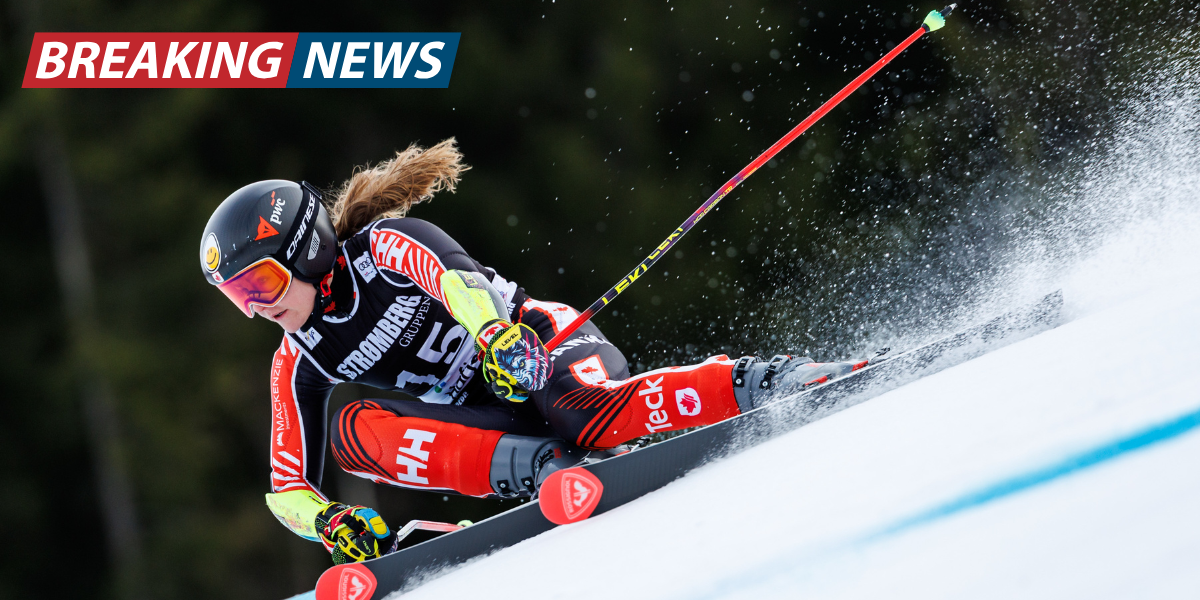
“Everybody speaks English, eh,” said Canadian James Crawford. “Canada and the U.S. are still a little different, but the food is similar and the snow is similar to what I grew up skiing. You just feel way more at home. It’s just easier to give it your all when you’re comfortable with what you’re doing.”
Although the crowds might be smaller in the U.S., World Cup stars agree that their passion for the sport is just as big.
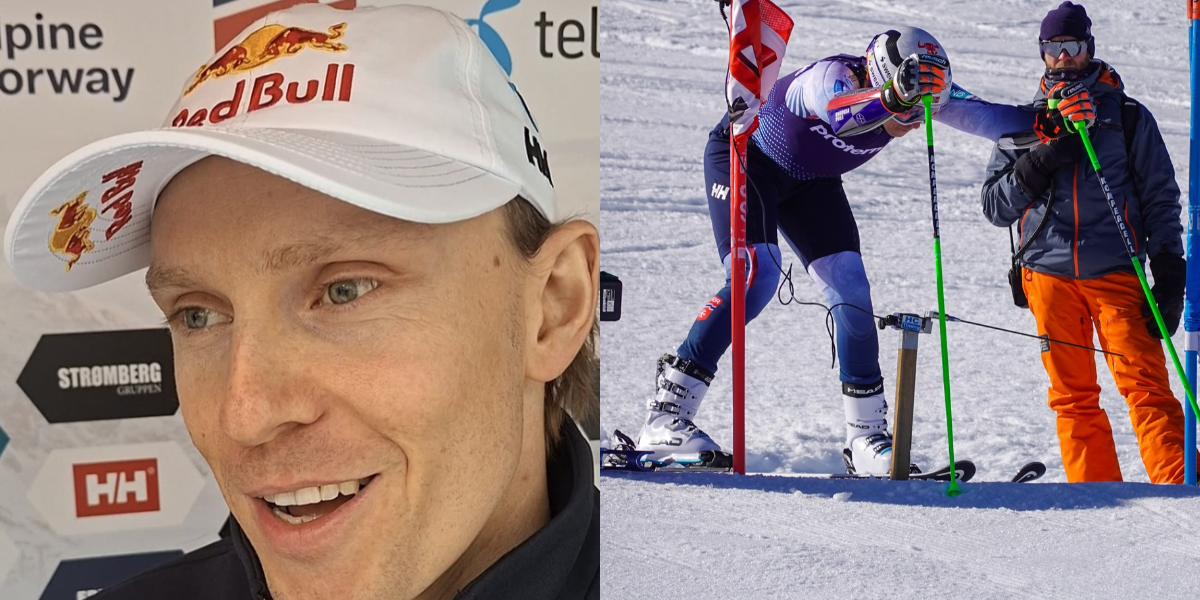
“You can see that people here love skiing,” said Norwegian champion Aleksander Aamodt Kilde, who—sidelined with a shoulder injury—was at Beaver Creek cheering on his team from the finish area. “If we can spread the word a little bit more in the U.S., we’ll get the same interest as in Europe. You can see people love it, and there’s a lot of similarities because racing is racing.”
About the Author: Shauna Farnell