Zermatt-Glacier-Paradise-GEPA
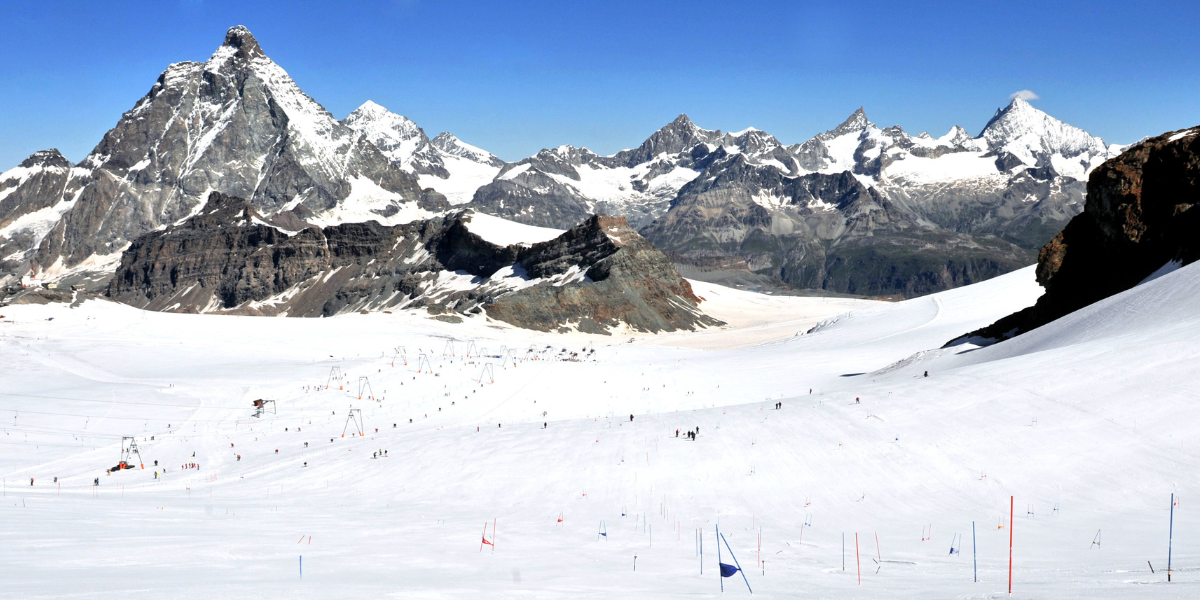
Zermatt Bergbahnen has temporarily suspended public summer skiing on Switzerland’s Theodul Glacier after weeks of high temperatures and warm nights made it increasingly difficult to maintain the terrain and infrastructure to the resort’s required safety standards.
The closure applies to recreational guests. Selected Swiss-Ski teams can continue using designated training slopes on a limited basis.
The decision does not mean the glacier has run out of snow. A trusted source with direct knowledge of the conditions told Ski Racing Media that the Theodul Glacier still has ample snow coverage. However, the absence of overnight freezing has made daily preparation more demanding and limited the resort’s ability to maintain public skiing at the high safety and quality level expected in Switzerland.
Glacier crews routinely manage crevasses and changing snow conditions during summer operations. Extended periods without a nighttime freeze make that work more difficult and increase the demands placed on slope crews and lift-maintenance teams.
Zermatt Bergbahnen cited persistent heat, a lack of nighttime cooling, repeated thunderstorms and changing snow and glacier conditions in its July 31 announcement. The company said those factors no longer allowed it to provide safe, high-quality public skiing.

Safety standards drive temporary suspension
Zermatt Bergbahnen CEO Martin Hug said the resort would adjust operations whenever conditions failed to meet its standards.
“The safety of guests and staff is always our top priority,” Hug said in the resort’s announcement. “At the same time, we attach great importance to ensuring that our guests can enjoy good and safe conditions throughout the entire operating season. If these conditions are no longer met, operations will be responsibly adapted to the natural circumstances.”
The company described the decision as a temporary suspension rather than an end to summer skiing. Crews will continue maintaining the slopes, lifts and transportation infrastructure while monitoring conditions daily.
Zermatt Bergbahnen said it will reopen public skiing as soon as natural conditions allow. Hiking, sightseeing and other summer mountain activities remain available.
The resort had offered approximately 13 kilometers, or 8 miles, of ski terrain shortly before the closure, according to PlanetSKI.
Limited Swiss-Ski training continues
Although public operations have stopped, selected Swiss-Ski teams will retain limited access to prepared training slopes.
Swiss-Ski Alpine Director Hans Flatscher thanked Zermatt Bergbahnen for maintaining the training terrain during difficult conditions.
“Thanks once again to the excellent work of Zermatt Bergbahnen, we have found superb conditions on the Theodul Glacier since the end of June,” Flatscher said. “We are very grateful that at least some of our teams will have the opportunity to complete training sessions in Zermatt over the coming days, despite the challenging circumstances.”
Swiss-Ski operates the glacier’s training infrastructure through a strategic partnership with Zermatt Bergbahnen. Under normal conditions, the federation rents training slopes to Swiss and international teams.
The temporary restriction could disrupt plans for international programs that rely on Zermatt for Northern Hemisphere summer training. However, the limited Swiss-Ski access allows the resort to manage a smaller and more controlled training footprint while crews continue their maintenance work.
European summer training options narrow
Zermatt’s suspension comes during another difficult summer for Alpine glacier skiing.
Hintertux in Austria had already entered its planned summer closure, ending its former practice of attempting year-round skiing. Tignes in France also ended its summer operations amid warm conditions, according to PlanetSKI.
At the time of Zermatt’s announcement, Saas-Fee in Switzerland and Passo Stelvio in Italy remained open. Both had limited operations as warm weather continued across the Alps, PlanetSKI reported.
The reduced number of available glaciers places additional pressure on national teams, club programs and private training groups. Summer schedules increasingly require backup plans as weather and overnight temperatures determine whether resorts can prepare safe training surfaces.
Zermatt remains Europe’s highest and largest summer ski area, with terrain reaching 3,883 meters, or 12,740 feet. The resort advertises as much as 21 kilometers of summer terrain when conditions permit.
Zermatt remains committed to summer skiing
The resort emphasized that summer skiing remains important to Zermatt and to alpine racing.
“Summer skiing is of great strategic importance to Zermatt Bergbahnen and the Zermatt destination,” the company said. “It forms a vital foundation for alpine ski racing and, in particular, for the development of young talent.”
Zermatt Bergbahnen said it will continue working with Swiss-Ski and international federations to provide summer training whenever natural conditions allow.
The temporary closure illustrates the challenge resorts face during prolonged warm periods. Snow coverage alone does not determine whether a glacier can remain open. Crews must also maintain the terrain, manage the glacier and operate the lift infrastructure at a standard that protects guests, athletes and employees.
For now, Zermatt has reduced operations rather than compromise that standard.
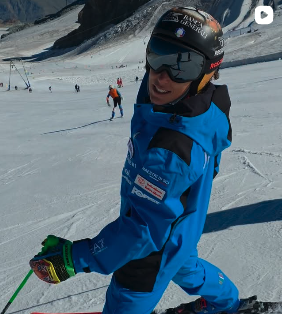
Click on image to see Federica Brignone skiing the public lane July 30th
This report draws from Zermatt Bergbahnen, Swiss-Ski, reporting by Julia Schneemann for SnowBrains, PlanetSKI.
About the Author: SR Staff Report