This article was produced in collaboration with Nordica Racing. Photos courtesy of Nordica.
Ski Racing Media examines how top brands develop junior and transition skis, focusing this article on Nordica’s process. These skis are essential tools for young athletes in the early stages of their ski racing journey. Junior skis are designed for the youngest racers, while transition skis, the larger sizes of this category, help older athletes excel as they approach the more demanding and regulated world of FIS skis. The competition to design these categories of skis is intense, so brands must carefully address the specific needs at each level.
In the U.S., many U16 racers use FIS skis, while in Europe, transition skis are more common among this age group. However, it’s crucial not to over-equip athletes because it can hinder their development. Skiers must consider size and ability at every step to select the most beneficial equipment.
Undoubtedly, the race to earn young athletes’ loyalty drives brands to constantly innovate. Junior and transition skis must deliver top performance because they influence the experience and directly impact young skiers’ development rate.
Ski Racing Media contacted our partner companies to gain insight into their processes. In this article, we discuss Nordica’s approach.
Nordica begins developing junior race skis by listening to the needs of the market, coaches and countries. Country managers stationed worldwide—in Canada, the USA, Italy, Austria, Germany, Norway, Sweden, Switzerland, Japan and Finland—play a vital role in this process. These race managers stay closely connected with local athletes to understand their needs.
This connection grows through active involvement in junior competitions and training. Brand managers often focus on the highest levels of competition, like the World Cup. However, by staying engaged at the grassroots level, they can closely follow trends in course setting and athlete development. This direct experience helps them apply these insights to the latest ski designs and equipment.
click on images to enlarge

Feedback is the Foundation for New Skis
When one market requests a new ski or size, it often indicates a broader international need. Notably, this feedback kicks off the prototype process at Nordica. The team uses insights from their World Cup experience to shape junior skis that meet these demands. The prototyping process starts by carefully considering the needs identified by country managers. Engineers then apply these needs into early design concepts.
During prototyping, Nordica doesn’t rely on past achievements. Instead, the company continuously explores new ideas. The prototypes undergo comprehensive testing in various conditions to ensure they meet the performance and quality standards that junior racers need. If a ski doesn’t perform as expected, Nordica quickly gathers feedback and makes necessary adjustments. This cycle of testing and refining helps improve the performance of their skis.

What Makes Nordica’s Junior Skis Different
Nordica focuses on creating equipment that works well for young racers. According to the team, “Our goal is to win races.” To do this, Nordica must understand which products work and which don’t. Junior skiers encounter a wider variety of snow conditions than World Cup athletes, so it’s essential to design skis that suit different surfaces, abilities and course settings.
Many of Nordica’s junior skis feature a two-piece plate, which helps the skis flex more evenly to fully utilize their construction. Nordica’s feedback and prototyping process ensures top performance. The skis include a full sidewall, wood cores, and binding plate options to match the athlete’s development stage.
For younger racers, the two-piece plate is ideal, offering more flexibility. As athletes mature, Nordica uses the Marker Piston plate to dampen vibrations from the contact point between the ski and snow. This adjustment also helps manage higher speeds and the larger forces that older athletes generate. This design creates a more connected feeling on the snow and ensures precise timing between turns.
Extensive Testing Ensures Quality
Testing is crucial in how Nordica develops its junior skis. During the prep period, the Nordica team spends considerable time testing new prototypes. For example, this year, they introduced the 151 SL and 173 GS junior skis and tested them in multiple markets. In the U.S., the testing happened at Copper Mountain, Winter Park, Mt. Hood, and various East Coast locations. Similar testing also took place worldwide.

Athletes tested both junior and adult products this season at Norway’s Folgefonna glacier. These significant tests allowed Nordica to fine-tune the skis’ flex patterns. Skis need the right balance of forgiveness, grip and stability to handle different course conditions without overwhelming the athlete. Sometimes, the most valuable feedback comes from athletes who don’t use Nordica products. However, all the athletes provided helpful insights, helping the team make beneficial performance adjustments to Nordica products.
The Collaborative Team Behind the Skis
Developing Nordica’s junior race skis involves a team effort. Armin Fankhauser leads the development process, working closely with input from the country managers and Michi Mölgg, who oversees equipment for World Cup athletes. The prototyping process also includes contributions from Florian Seer, Nordica’s collection manager, and Manfred Reitsamer, head of ski production for the Tecnica Group. Together, they ensure that every prototype is carefully built and thoroughly tested.
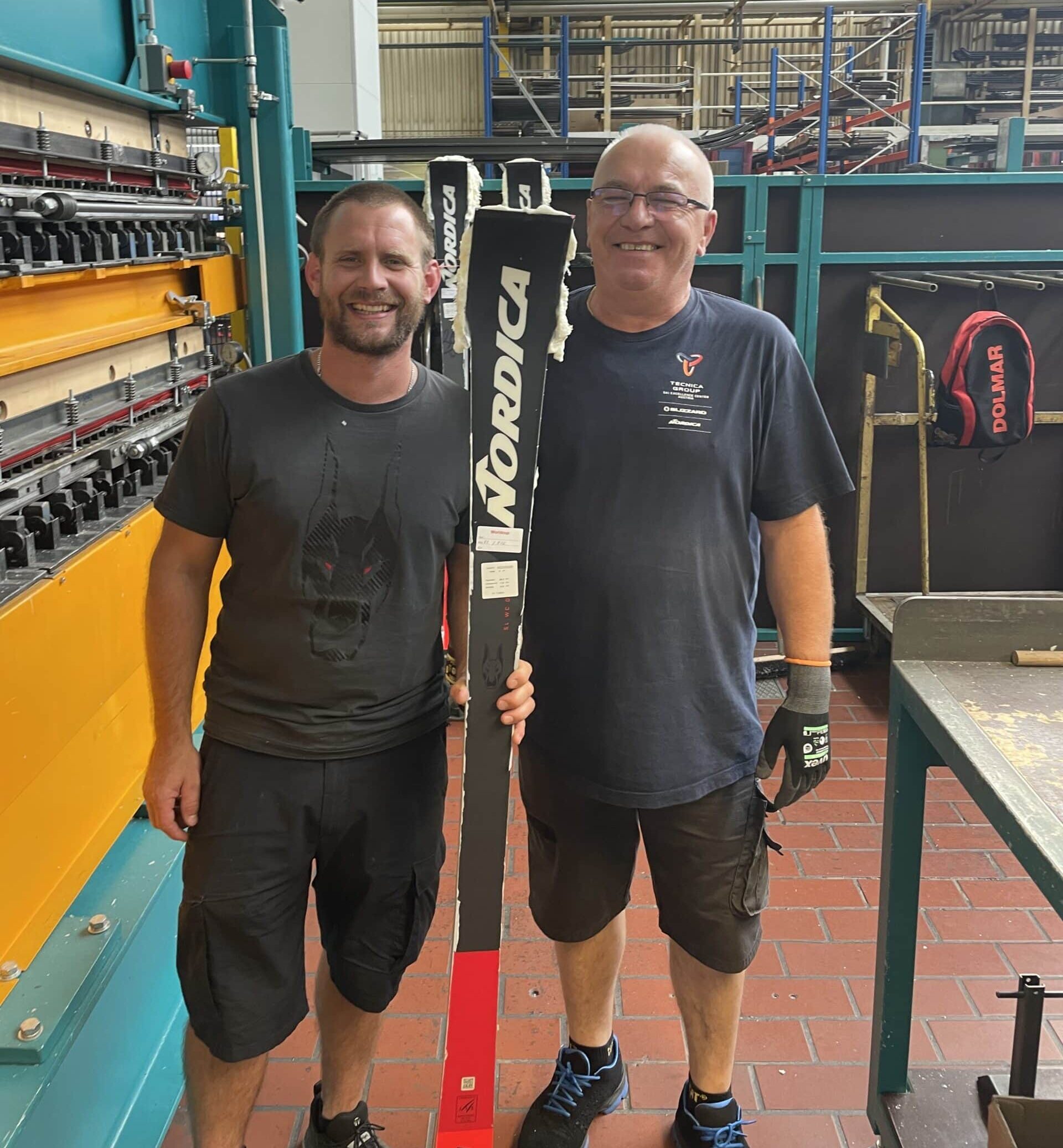
The involvement of these diverse experts ensures that Nordica skis meet high standards and utilize quality materials. This collaborative approach helps Nordica develop junior race skis that are well-suited for young athletes, helping them perform their best and advance quickly.
Ultimately, Nordica’s commitment to creating top-quality junior and transition skis comes from a deep understanding of what young athletes need to succeed. By listening to feedback, testing relentlessly, and involving a team of experts, Nordica continues to push the boundaries of ski design. This dedication ensures that the next generation of ski racers will have the best tools to reach their full potential and keep their development moving forward.
About the Author: SR Staff Report