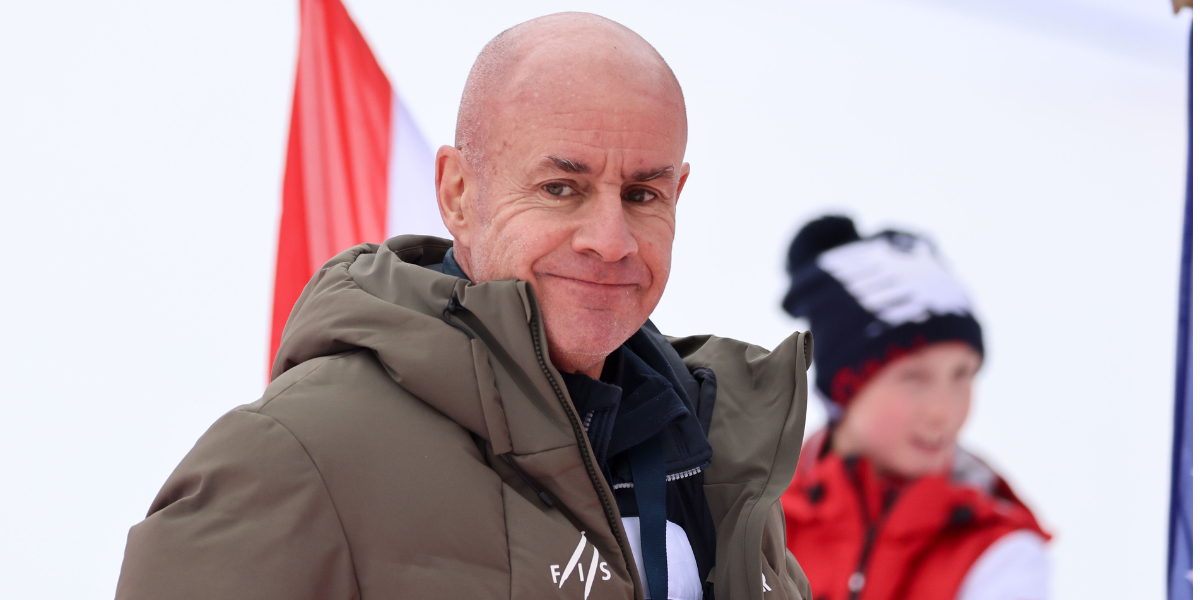

FIS and USA flag in Beaver Creek: GEPA pictures
FIS Takes the Right Approach: Why Caution Is Key in Private Equity Deals
Recent reports suggest that FIS declined a €400 million proposal from the private equity firm CVC to form a joint venture centralizing media rights. This decision demonstrates prudence and reflects the complexity of such agreements. Several critical issues warrant consideration:
Misalignment of Interests
FIS operates as a nonprofit organization focused on the long-term development of snow sports. In contrast, private equity firms like CVC are for-profit entities with short-term investment horizons. PE firms typically invest through finite-life funds that demand high returns—often 25% annually or more—with typical hold periods under five years.
If CVC invested €400 million, they would aim to generate at least €1.3 billion in five years, extracting €900 million in profit. This potential outflow could significantly strain FIS’s finances, raising serious questions about how such a deal aligns with its mission. Unless FIS had no alternative funding options, this proposal seems untenable.
Not a Serious Proposal
According to FIS, CVC did not review its strategic plan or financial statements before making the offer. This lack of due diligence suggests the proposal was more of a “trial balloon” than a credible negotiation. The offer lacks substance and should only be considered after a formal process, and only if external capital is determined to be essential.
FIS’s Strong Financial Position
FIS has publicly stated it does not require CVC’s capital to optimize its commercial rights. The organization is already working with current rights holders to centralize media agreements. This approach could provide mutual benefits for all stakeholders and demonstrates that FIS has no pressing need for external funding.

Lack of Process
In a December 10 public letter, FIS emphasized the importance of a formal process if additional capital becomes necessary. This process would include hiring a financial advisor, conducting a broad solicitation of proposals, and maintaining confidentiality. Engaging directly with one firm without competitive evaluation would be irresponsible. Public discussions or committee-based negotiations could also undermine the success of any potential agreements.
Proceeding with Prudence
Ski Racing Media is not taking a position on whether partnerships or financing alternatives could benefit FIS. However, hastily aligning with the first private equity firm to express interest would be reckless. Caution, due diligence, and a structured process are essential to preserving FIS’s long-term mission and financial health.
FIS’s decision to reject CVC’s proposal reflects its thoughtful stewardship of snow sports’ future.
About the Author
This analysis is informed by the extensive private equity experience of Dan Leever, Chairman of Ski Racing Media. With more than 20 years in private equity, Mr. Leever served as CEO of a company that acquired multiple PE-owned businesses. He later led a PE-backed buyout of the company, serving as a portfolio CEO and guiding it to a successful exit. Subsequently, he became an operating partner of a private equity fund and participated in multiple PE-backed deals. This depth of expertise gives Mr. Leever unique insights into the complexities of private equity transactions and their potential impact on organizations like FIS.
About the Author: Dan Leever