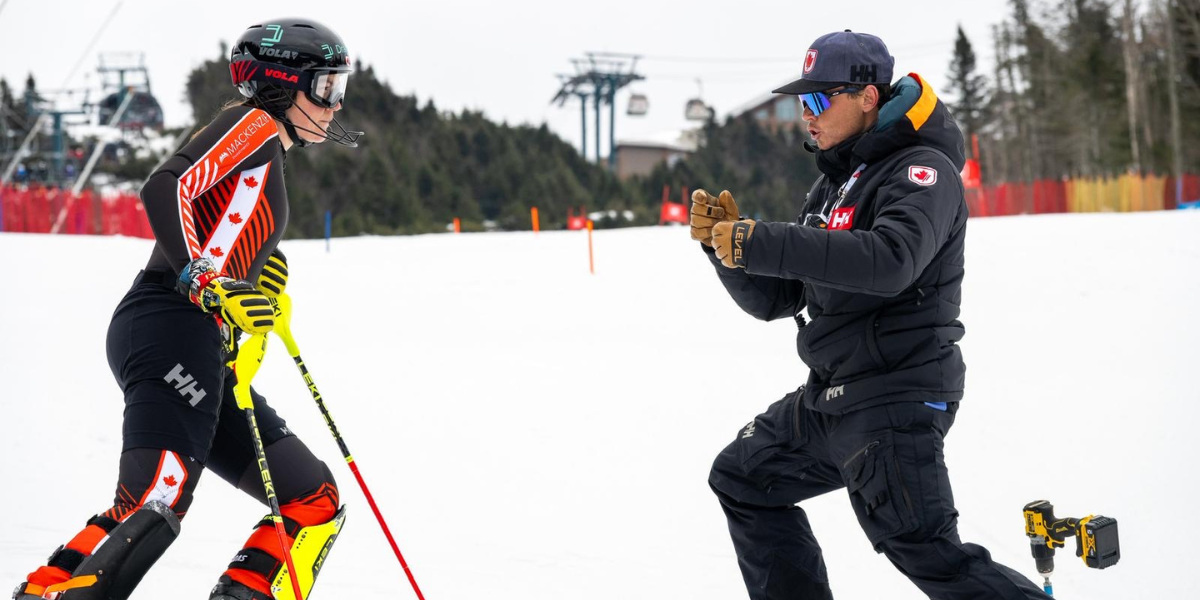
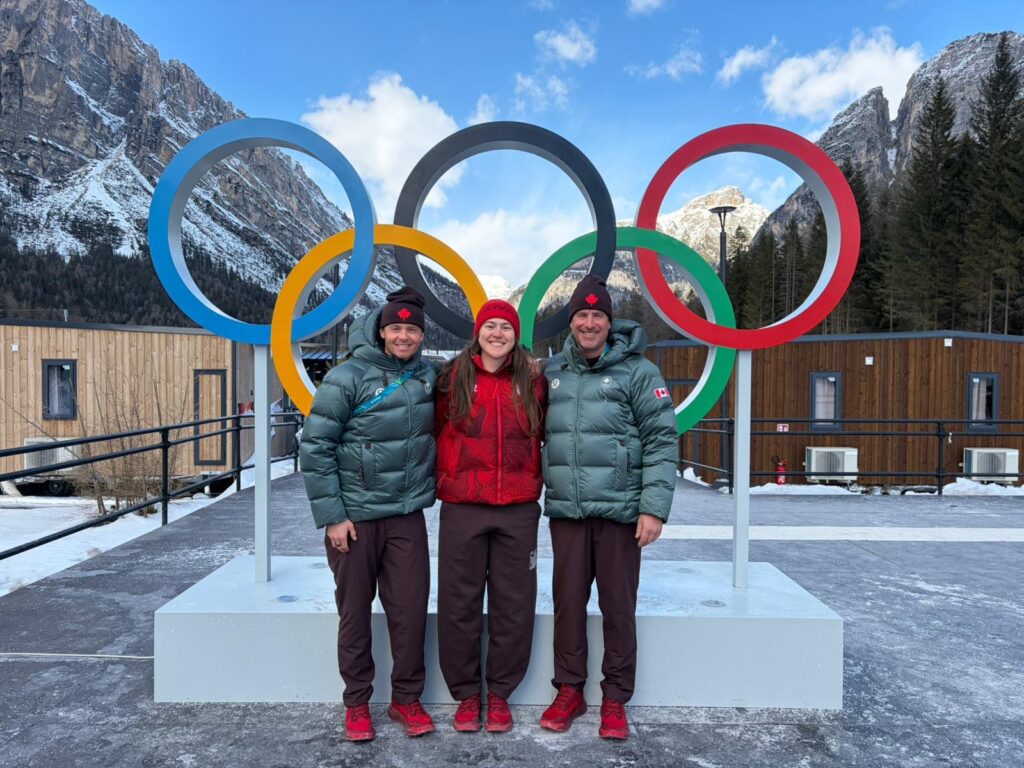
Featured Image: Francis Royal with Canadian World Cup skier Laurence St-Germain.
When Alpine Canada announced that Francis Royal would be stepping into the role of Head Coach of the Women’s Development Team, there were probably a few people surprised by the move.
I wasn’t one of them.
For a lot of coaches, leaving a World Cup position feels like stepping away from the top of the profession. It’s the level many spend their entire careers chasing.
But if you’ve known Francis long enough, the move actually makes a lot of sense.
I’ve known Francis for years. Long before either of us found ourselves working at the levels we do now. We spent years coaching against each other, him with Quebec and me with Ontario. We shared athletes, shared frustrations, and often found ourselves having the same conversations about development, confidence, pressure, and what young athletes actually need to succeed.
We’ve both spent enough time in start shacks, on side hills, and in hotel lobbies to know there are no shortcuts in this sport.
And if there’s one thing I’ve always respected about Francis, it’s that he’s never been a coach chasing status.
He’s a coach who genuinely loves the process.
Which is probably why, after years leading Canada’s Women’s World Cup slalom group, he saw an opportunity to go back and help build the next generation.
Why Francis Royal Chose Development
When Alpine Canada announced Royal’s move from the Women’s World Cup slalom group to the Women’s Development Team, it caught the attention of many within the Canadian ski racing community.
For some coaches, a World Cup leadership position represents the pinnacle of the profession. It’s a role many spend years working toward and one they hope to hold for as long as possible.
Royal viewed the opportunity differently.
“I felt like I needed to create movement,” he said. “I needed another challenge and another opportunity to contribute.”
Throughout our conversation, that idea of contribution surfaced repeatedly.
The athletes were never the issue. The motivation to coach at a high level was still there. Instead, Royal found himself drawn to the opportunity to make an impact in a different part of the system.
The development role offered a new challenge. It provided the opportunity to work across disciplines, help shape team culture from the outset, and support athletes during some of the most important years of their progression through the sport.
It also presented an opportunity to contribute to an area of Canadian ski racing that has received increasing attention in recent years. As the national pathway continues to evolve, strengthening the connection between provincial programs, development teams, and the World Cup level has become a key priority.
For Royal, it was a chance to be part of that process.
Having coached athletes at every stage of the pathway throughout his career, the move feels less like a departure from his previous role and more like a return to a part of the sport where he has always been deeply invested.
“I just found a good opportunity to contribute to the system,” he said.
For a coach who has spent much of his career focused on long-term athlete development, it feels like a natural next chapter.
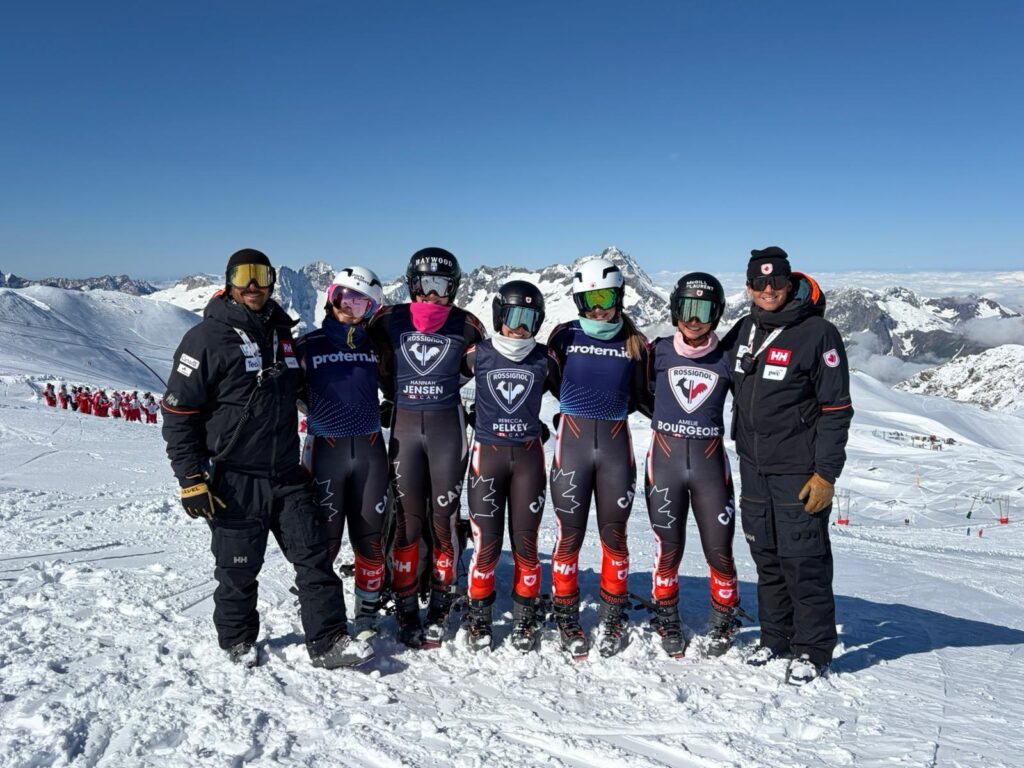
Building Athletes Before There Was a Development Team
One of the reasons I wanted to have this conversation with Francis is because we’ve both spent a significant part of our careers coaching within the same reality.
Before Alpine Canada had dedicated development teams, provincial programs were often being asked to do far more than their mandate suggested. In many ways, provincial teams became the development teams. The expectation was to help athletes bridge a massive gap between provincial racing and Europa Cup or World Cup level skiing, often with limited resources and small staff sizes.
Francis lived that reality in Quebec. I lived it in Ontario.
It wasn’t uncommon to have seven to ten female athletes and one or two staff trying to cover every aspect of development. You were building training plans, managing equipment, organizing travel, driving vans, tuning skis, and trying to create opportunities for athletes who were all on different paths.
At the same time, you were trying to be competitive at every level of the sport. Your top athletes needed Nor-Am exposure and results. Others were chasing lower FIS points. Some were looking to secure NCAA opportunities. Others simply needed race starts and experience to continue progressing.
There was never one pathway.
Every athlete needed something different, and the challenge was figuring out how to give them what they needed while working within the resources you had.
Looking back, those years help explain a lot about the coach Francis is today. Working with athletes across so many different stages of development required a deeper understanding of what made them successful beyond their skiing. It meant navigating confidence, pressure, setbacks, motivation, injuries, and expectations alongside technical development. The athletes who thrived weren’t always the most talented. More often than not, they were the athletes who felt supported, understood, and challenged in the right ways.
It’s a perspective Francis carried with him through the World Cup level and one that continues to shape how he approaches coaching today. Listening to him talk about his new role, it was clear that while the athletes, level, and responsibilities may have changed throughout his career, that fundamental belief has not.
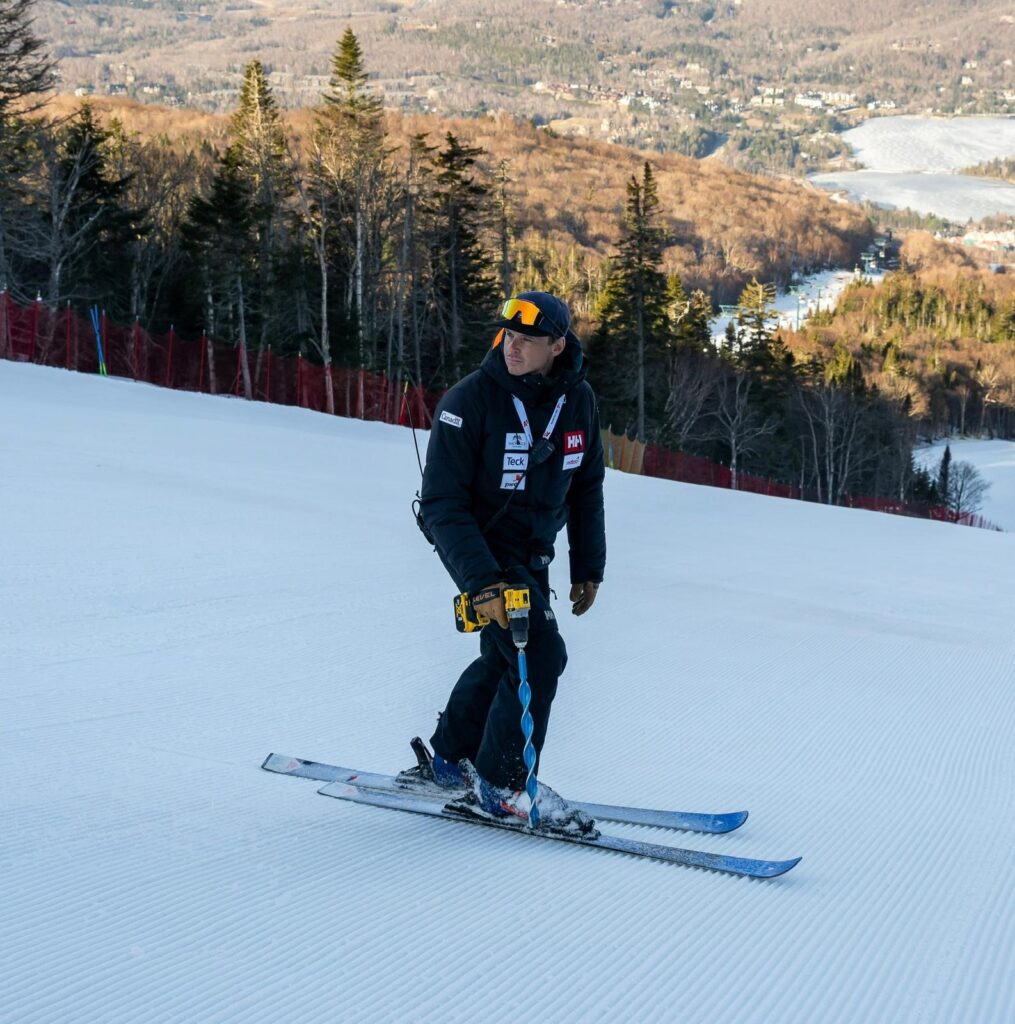
The Hard Conversations That Matter Most
One of the most interesting parts of our conversation centered around something many coaches struggle with throughout their careers.
Hard conversations.
Not the conversations about technique or race tactics. The conversations about confidence, accountability, expectations, and the realities athletes are facing away from the hill.
Royal admitted there were times earlier in his coaching career when he avoided those conversations.
Looking back, he sees that as a mistake.
“I noticed when I avoided those conversations, it was a mistake,” he said. “You learn so much more about what’s actually happening with the athlete.”
It’s a philosophy that has become a defining part of his approach to coaching.
The reality is that athletes don’t show up to training carrying only their skiing. They bring pressure from school, family dynamics, injuries, confidence struggles, personal challenges, and expectations they place on themselves. Often, those factors have just as much influence on performance as anything happening on snow.
For Royal, those conversations aren’t simply about solving problems. They’re about understanding the athlete sitting in front of you and creating an environment where honest dialogue can exist.
That understanding becomes especially important in a sport like alpine skiing, where setbacks are inevitable and development is rarely linear. Athletes need coaches who can help them navigate difficult moments, not just celebrate successful ones.
As Royal explained, those conversations often reveal the information coaches need most. They provide context, build trust, and ultimately allow coaches to better support the athletes they work with.
“If you only go through the results and quality of skiing, you’re going to miss the real stuff,” he said.
For a coach now entering his 17th year working with female athletes, it’s a lesson that continues to shape how he approaches development at every level of the sport.
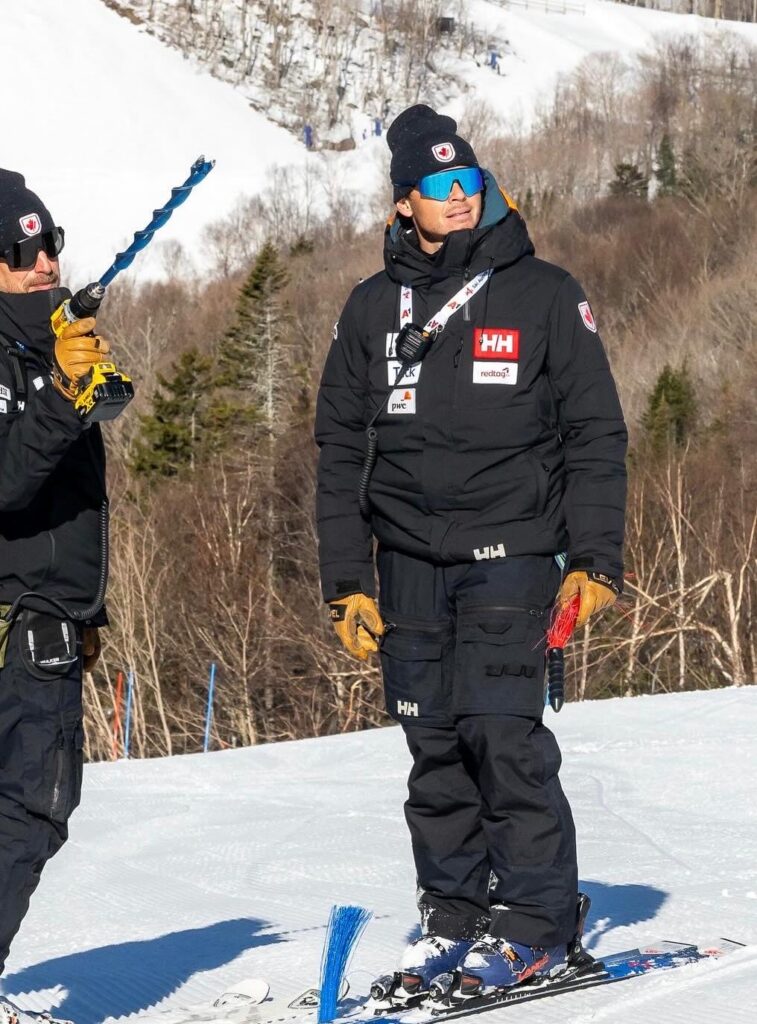
Recognizing Future World Cup Athletes
One of the questions coaches get asked most often is how they identify athletes with World Cup potential.
After spending years coaching athletes at every level of the pathway, Royal’s answer wasn’t focused on results, rankings, or podiums. Instead, he pointed to characteristics that often reveal themselves long before an athlete reaches the highest levels of the sport.
Motivation was one of them.
The athletes who ultimately succeed rarely need to be convinced to pursue their goals. Their motivation comes from within. They arrive engaged, curious, and invested in their own development. Coaches can help guide that process, but the desire to improve is already there.
Royal also spoke about freedom. The freedom to attack, take risks, and express themselves as athletes.
Many of the skiers who eventually reach the World Cup level aren’t defined by perfect consistency at a young age. In fact, some experience plenty of setbacks along the way. What separates them is often their willingness to push boundaries, learn from mistakes, and continue moving forward despite them.
It’s a perspective that challenges a common tendency in athlete development. Coaches naturally want to help athletes improve, but there are times when too much structure or control can limit the very qualities that make an athlete successful in the first place.
For Royal, part of the coaching process is recognizing those qualities and creating an environment where they can continue to develop. Sometimes that means providing guidance. Other times, it means resisting the urge to overcoach and allowing athletes the space to discover their own path.
The goal isn’t to create athletes in a coach’s image. It’s to help athletes become the best version of themselves.
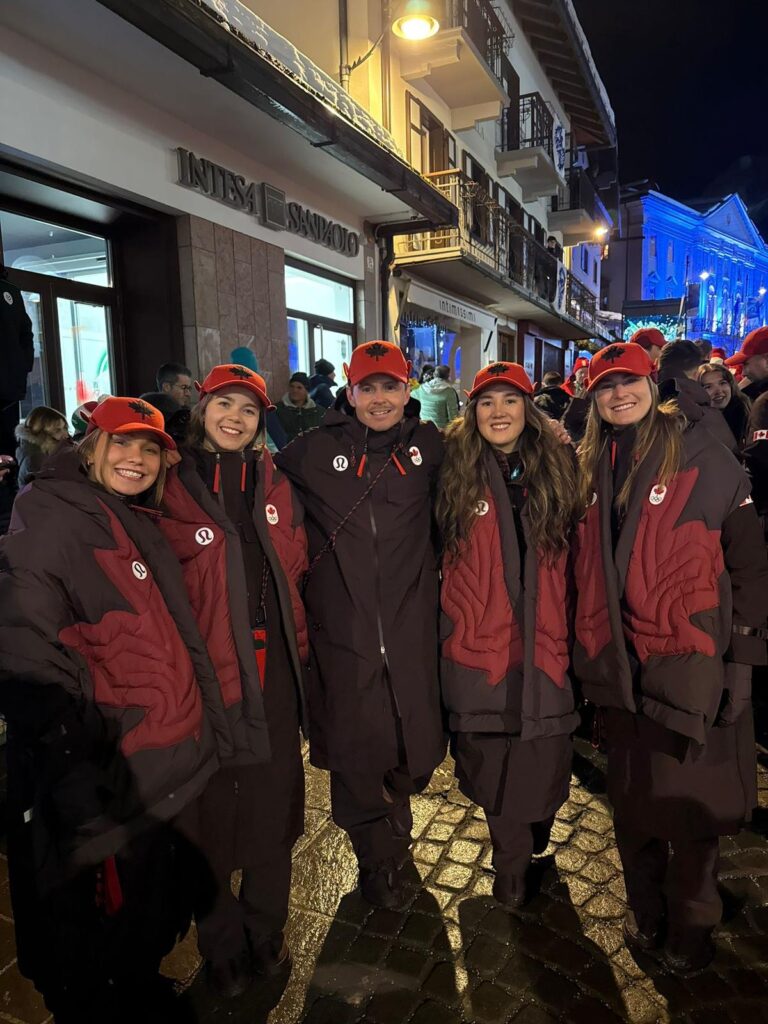
Canada’s Development Opportunity
When the conversation shifted to the Canadian system, Royal was realistic about the challenges facing athlete development, but he was equally optimistic about the opportunities.
One of the biggest challenges, he explained, is the size of the gap between provincial programs and the World Cup. Unlike many European nations that have multiple layers of development between junior racing and the highest levels of the sport, Canada’s pathway has traditionally asked athletes to make a significant leap in a relatively short period of time.
“It’s a massive gap,” Royal said.
For years, athletes, coaches, and provincial programs have worked to bridge that gap with limited resources and limited opportunities at the national level. As a result, many athletes found themselves trying to navigate the transition to international racing without a clearly defined step in between.
That landscape is beginning to change.
The addition of dedicated development teams has created a stronger connection between provincial programs and the World Cup level, while also providing athletes with a clearer picture of what the next step in their development can look like.
For Royal, one of the biggest opportunities lies in the ability to create stronger integration throughout the entire pathway.
Development athletes training alongside World Cup athletes. Provincial athletes gaining exposure to national team environments. Coaches sharing knowledge across levels of the system rather than operating independently.
It’s something Royal believes can become a unique strength for Canada.
While larger ski nations often have greater depth and resources, they can also face challenges integrating athletes across multiple layers of development. Canada’s smaller system creates opportunities for collaboration that are more difficult to achieve elsewhere.
“We have an opportunity to do things our way,” Royal said.
That doesn’t mean trying to replicate Austria, Switzerland, or Italy. It means building a system that reflects the realities of Canadian ski racing while taking advantage of the strengths that already exist.
Perhaps most importantly, Royal believes the foundation is already there. Strong provincial programs, committed coaches, and athletes willing to do the work have long been part of the Canadian system. The challenge now is continuing to strengthen the connections between those pieces and creating an environment where athletes can see a clear path from provincial racing to the international stage.
For a coach stepping back into development after years on the World Cup circuit, it’s a challenge Royal appears eager to embrace.

The Lesson Every Young Racer Should Learn
Near the end of our conversation, I asked Royal what lesson he would want every young Canadian ski racer to understand before leaving the development ranks.
His answer had nothing to do with technique, tactics, or performance.
It was gratitude.
Royal spoke about how easy it can be for athletes to focus on what they don’t have. The funding they wish existed. The opportunities other countries seem to offer. The resources they believe are standing between them and their goals.
Instead, he challenged athletes to recognize the opportunities already in front of them.
The coaches investing their time and energy into their development. The teammates pushing them every day in training. The chance to race, travel, learn, and grow within a sport that can change lives.
“I think athletes need to learn to recognize opportunities,” Royal said.
It’s a perspective that has become increasingly important in a sport where comparisons are easy to make and where athletes are constantly measuring themselves against competitors, programs, and systems from around the world.
For Royal, recognizing opportunities isn’t about lowering expectations or ignoring challenges. It’s about understanding that growth often begins with an appreciation for the resources, people, and experiences already available to you.
It’s a lesson that reflects much of his coaching philosophy. Focus on what you can control. Invest in the people around you. Stay committed to the process.
After nearly two decades in the sport, Royal could have remained exactly where he was. Instead, he chose a new challenge and another opportunity to contribute to Canadian ski racing.
And after talking with him, it became clear that while the athletes, levels, and roles have changed throughout his career, the underlying philosophy has remained remarkably consistent.
Because while plenty of people in this sport are focused on the next result, the next ranking, or the next job title, Francis Royal is still focused on the same thing he’s always been focused on.
The people.
And the long game.
About the Author: Katie Twible