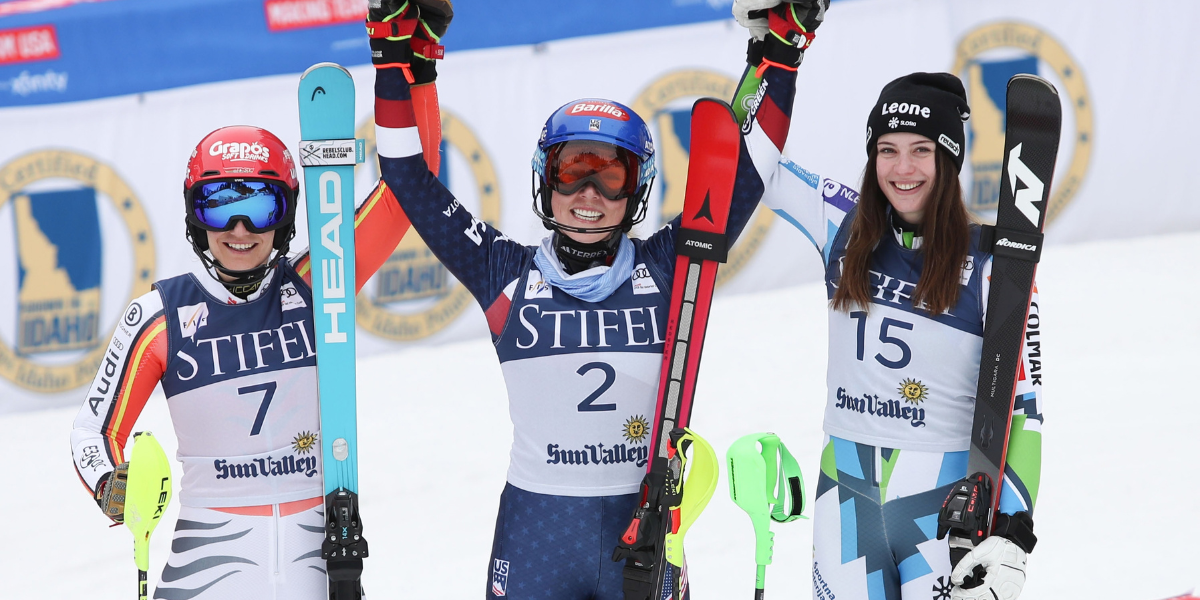
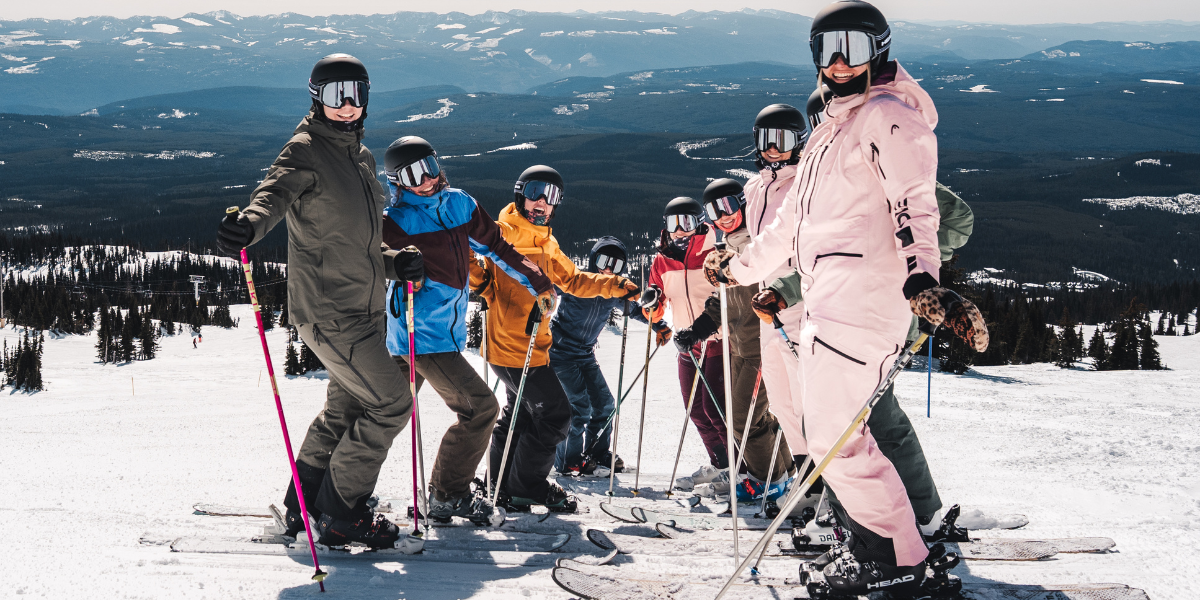
The women testing HEAD. Photo courtesy of HEAD.
In an industry where product decisions have traditionally been made behind closed doors and often without diverse representation, HEAD is taking a different approach.
Recently, the brand hosted an intimate, women-focused summit at Big White, B.C., bringing together a select group of influential voices from across the North American ski industry. The goal wasn’t just to test skis. It was to listen.
“We wanted to get feedback specifically from the North American side of things and from women in particular,” said Natalie Dyksterhouse, Winter Sports Marketing Manager for HEAD.
A Different Kind of Industry Event
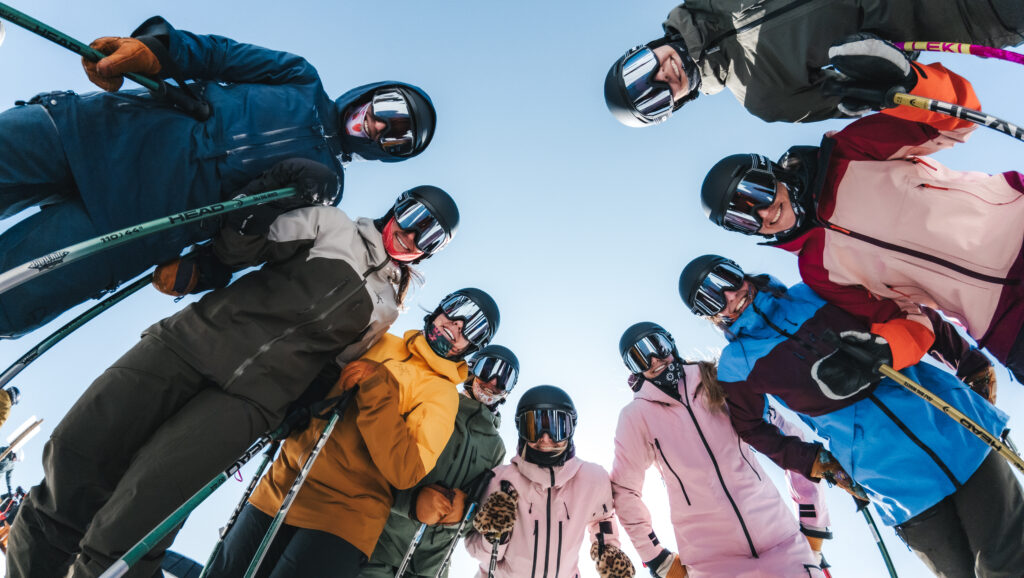
Unlike large-scale product launches or media camps, this gathering was intentionally small, with just eight women from across Canada and the U.S. They represented a mix of roles including buyers, marketers, ski testers, coaches, and retailers.
That intimacy was deliberate.
“We wanted to keep it smaller to get more quality conversations going,” Dyksterhouse explained.
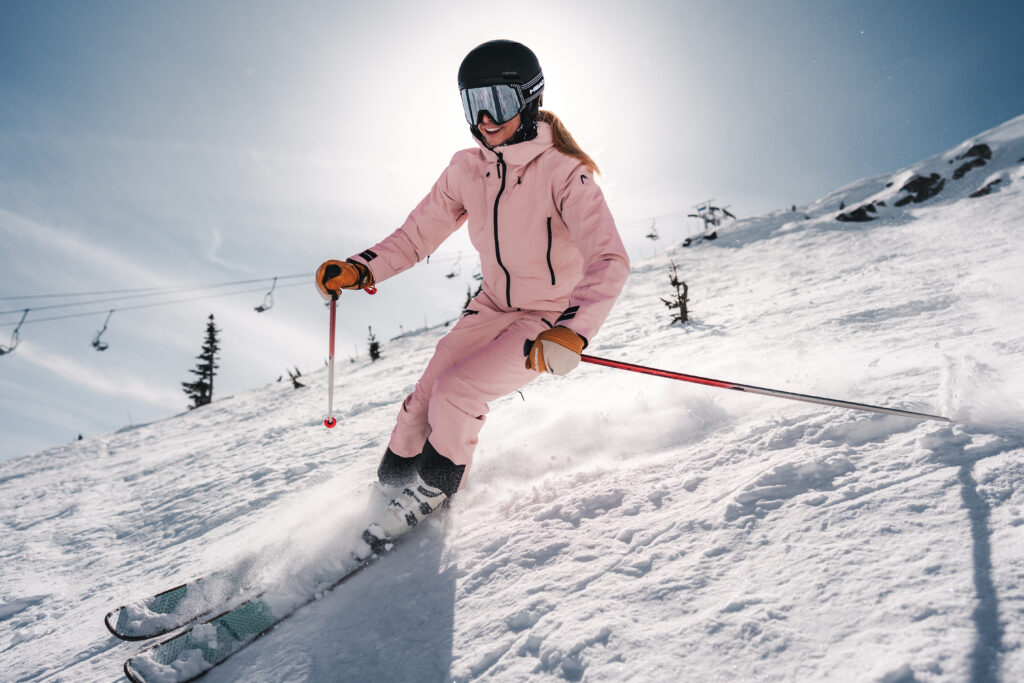
Attendees had the opportunity to ski prototype 2027/28 models, including HEAD’s newly redeveloped women’s Joy line, while engaging in focused discussions around product development and brand positioning. The first day was dedicated to structured on-snow testing, while the second embraced a more open rhythm with freer skiing, genuine connection, and candid conversation.
The result was honest, nuanced feedback that is often difficult to capture in traditional industry settings.
Why Women Only
The event was not just about testing women’s skis. It was about understanding women’s perspectives in a deeper and more meaningful way.
With a relaunch of the Joy line on the horizon, HEAD saw an opportunity to create a space where women could speak candidly, not only about performance, but about how they want to be represented and communicated with.
That conversation proved to be layered.
“There’s a lot of discussion around how women want to be talked to in the ski industry, it’s a very fine line,” Dyksterhouse noted.
One of the biggest topics was whether women-specific product lines should exist at all. Feedback varied depending on the category and perspective. Freeski voices leaned toward more unisex approaches, while frontside and carving categories still showed strong support for women-specific design.
The takeaway was not a single answer, but a clearer understanding of nuance. And that nuance matters.

Beyond the Product
One of the most valuable insights to come out of the summit was not about construction or materials, but about communication.
“There was agreement that our products perform really well,” Dyksterhouse said. “So the conversation became how do we talk about them in a way that’s more relatable to the North American market.”
That shift from product validation to storytelling refinement is where brands can evolve in a meaningful way.
Another key insight came from observing how women approach gear purchasing. There is often less ego and more self assessment, which can lead to different decision making patterns compared to men. That has implications for everything from marketing language to in store experiences.
Representation in Development
A central theme throughout the event was the importance of inclusion, not just in marketing, but in the development process itself.
“As you know, a lot of the development teams are not composed of women,” Dyksterhouse acknowledged.
Creating opportunities like this helps close that gap by bringing real world feedback directly into the product pipeline.
It is not just about making better skis. It is about building a better process.

A Step Forward for the Industry
Beyond product and marketing insights, the event also highlighted something more personal, the sense of community among women in skiing.
Dyksterhouse described the experience as empowering, noting how supportive and collaborative the environment felt.
“I think it really put into perspective how unique it is to be part of the community of female skiers,” she said.
That sense of connection is not something that can be manufactured. It has to be created intentionally.
For HEAD, this summit is not just a one off initiative. It is part of a broader effort to better understand and serve a key segment of the sport.
And for the industry as a whole, it is a signal that progress is happening, not just in products, but in how brands engage with the people who use them.
Sometimes the most important move a company can make is not launching something new. It is listening.
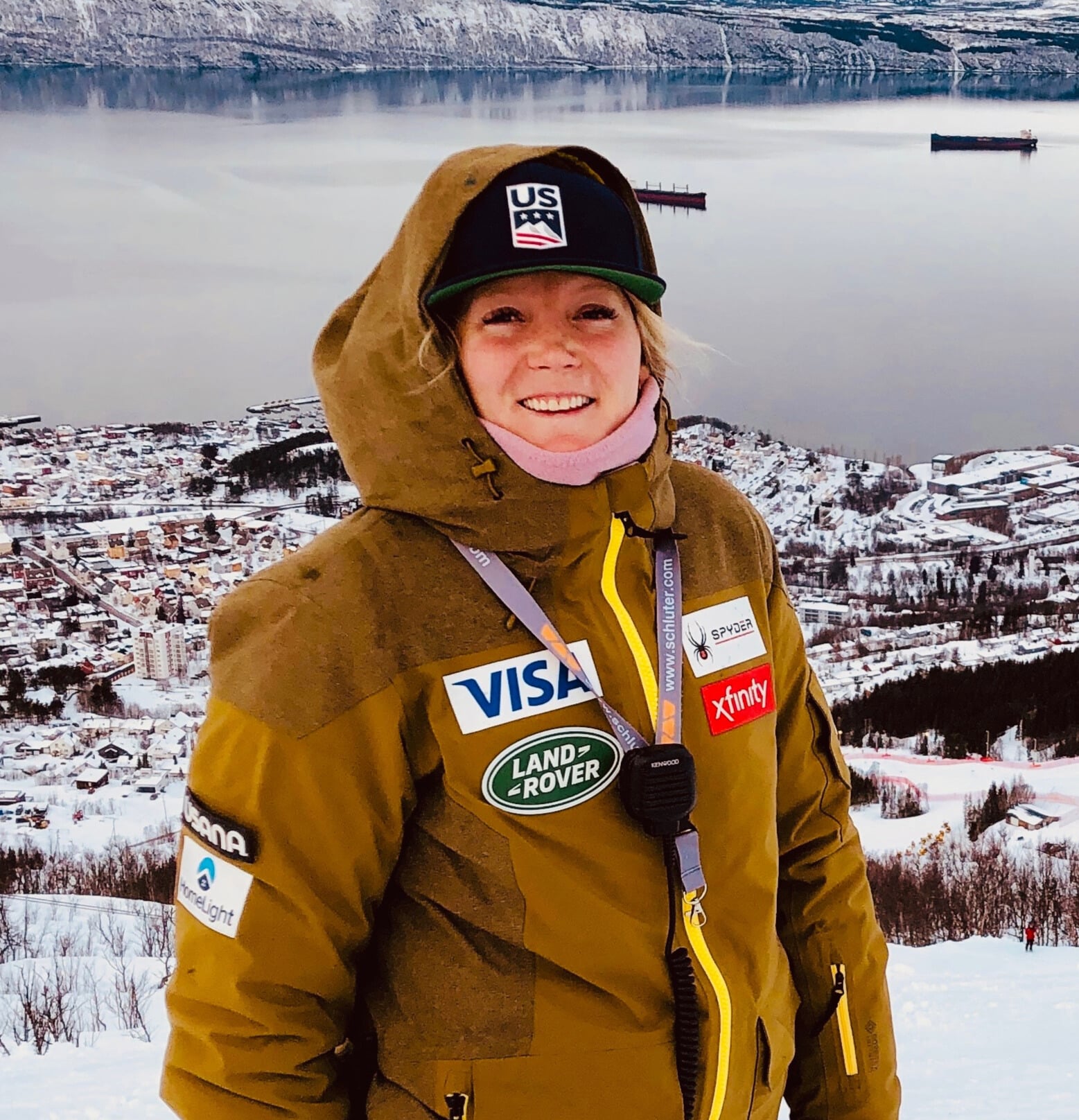
About the Author: Katie Twible