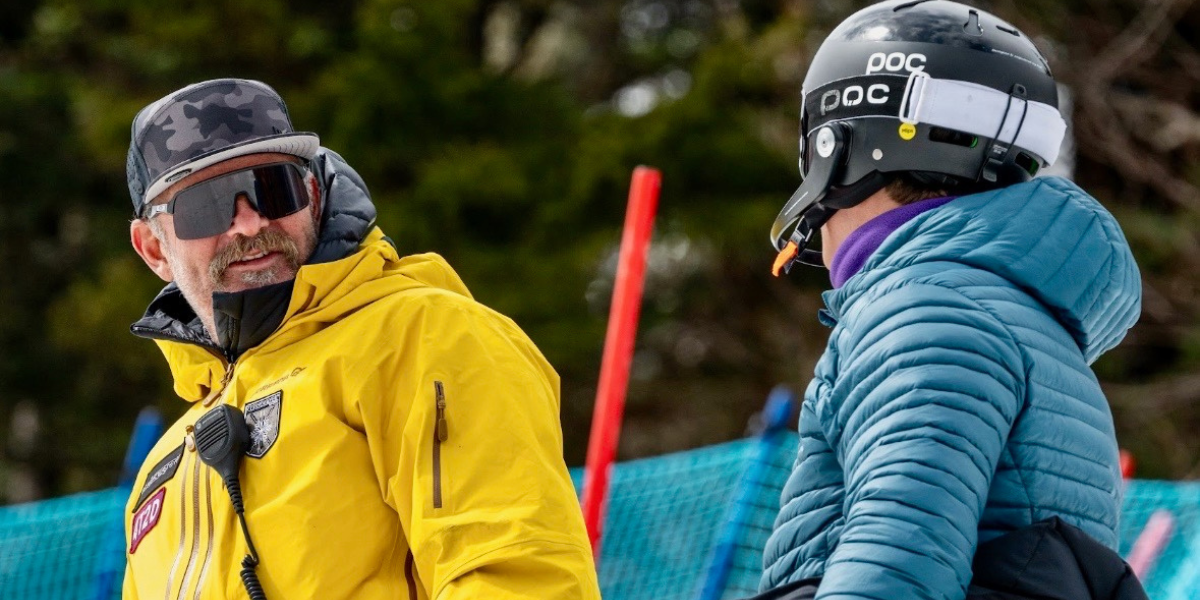
Featured Image: Tony DiGangi, Winterfell Alpin coach
Written by Nick Unkovskoy and Sophia Tozzi
In the highly competitive world of alpine ski racing, college skiing is often overlooked as a viable development pathway to the highest levels of the sport. While several athletes have successfully progressed from NCAA competition to the World Cup, the collegiate pipeline is frequently criticized as an inconsistent and challenging route for athlete development.
For many collegiate ski racers, the issue is not a lack of talent, but a lack of structural support. NCAA programs face strict regulations that limit training outside the competitive season, leaving athletes responsible for securing their own on-snow training during the offseason and early fall. During the winter, NCAA racing offers a strong level of competition, but it does not fully replicate the intensity, travel demands, or depth of the NorAm circuit—an essential proving ground for U.S.-based athletes with international ambitions.
This challenge is particularly acute for East Coast programs, where smaller budgets and limited staffing often prevent teams from supporting a full NorAm schedule. As a result, athletes may miss key starts or attend races without full institutional backing, forcing them to independently manage travel, lodging, and coaching support. This fragmented system creates a significant developmental gap at a stage where consistent NorAm exposure is often decisive.
What Is Winterfell Alpin—and Why It Matters
Winterfell Alpin was founded to address this exact gap in the alpine ski racing development pipeline. The program was created by Tony DiGangi and Carolyn Beckedorff, two professionals whose combined experience spans elite coaching, collegiate athletics, and high-performance mental training.
Tony DiGangi is a veteran alpine ski coach who has worked with numerous successful athletes throughout his career. Over the past decade, he has focused heavily on collegiate ski racing, first at Middlebury College and more recently at Colby College, where he is known for his disciplined, strategic coaching style and emphasis on mental resilience.
Carolyn Beckedorff brings a unique perspective to the program. A former Division I soccer player and skier at the University of New Hampshire, she later became the head trader at a Boston-based hedge fund. Today, she works as a mental performance coach while co-directing Winterfell Alpin alongside Tony.
Tony witnessed the shortcomings of the NCAA-to-professional transition firsthand while coaching athletes such as Tim Gavett (’22), Justin Alkier (’22), and Eric Arvidsson (’21), all of whom aspired to ski professionally after college. He recognized that collegiate athletes with elite potential needed a more consistent and structured support system—particularly at higher-level events like the NorAm series.
In 2023, when Tony and Carolyn’s son, Harrison DiGangi, enrolled at Colby College and joined the alpine team, the opportunity to formalize this vision became clear. That same year, Winterfell Alpin was officially launched.
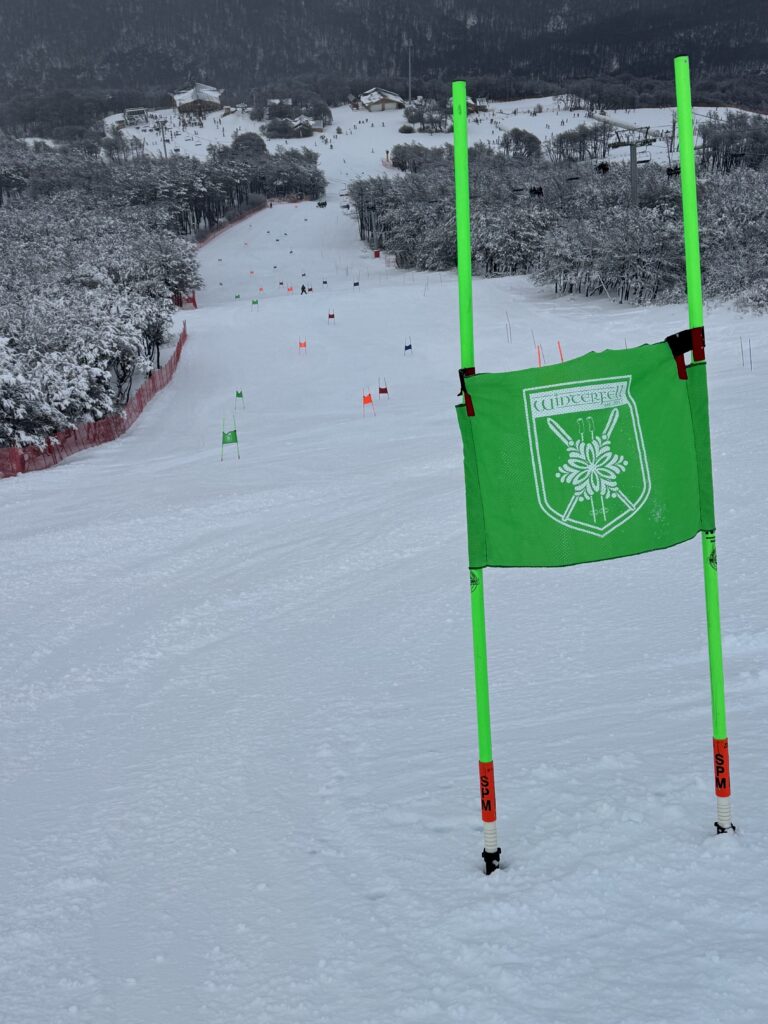
Winterfell’s mission is clear: to empower elite collegiate and post-collegiate athletes on their journey from NCAA competition to continental cups and ultimately the World Cup by providing high-performance training and support that enhances their existing programs. By offering race-day coaching, preseason training, and logistical support at events many colleges cannot attend, Winterfell effectively bridges the gap between NCAA racing and elite international competition.

Impact on Current Athletes
One athlete who has seen immediate benefits from Winterfell’s support is Benjamin Brown, a junior at Dartmouth College who has worked with the program since its inception in 2023. After missing his freshman season due to injury, Brown delivered a standout rookie year on the NCAA circuit, finishing on the GS podium in all but one EISA race, including a victory at the Dartmouth Carnival. He capped the season with a second-place finish in Giant Slalom at the NCAA Championships on his home hill at Dartmouth Skiway.
Brown has carried that momentum into the 2026–27 season, opening with two top-eight finishes in NorAm Giant Slalom races at Beaver Creek, Colorado, and recently earning a third-place finish at the St. Lawrence Carnival at Whiteface Mountain.
Brown credits Winterfell Alpin with helping sustain his progression both in college racing and on the NorAm circuit. “NCAA ski teams are geared specifically toward the college season,” he explained. “They don’t need to get on snow as early. But skiing is more than just a college sport—it’s an international sport. Winterfell really helps with early-season training and provides support at races that college teams don’t attend.”
Beyond logistics, Brown emphasizes the professionalism Winterfell brings to its training camps. “Every time I get to one of their camps, it reorients my mindset. It reminds me where my focus and effort need to be if I want to ski at the next level.”
His experience reflects the broader role Winterfell was designed to play: operating in the space between collegiate and professional ski racing, allowing athletes to maintain momentum beyond the NCAA season while aligning their training and mindset with the realities of elite-level competition.
A Proven Development Pathway
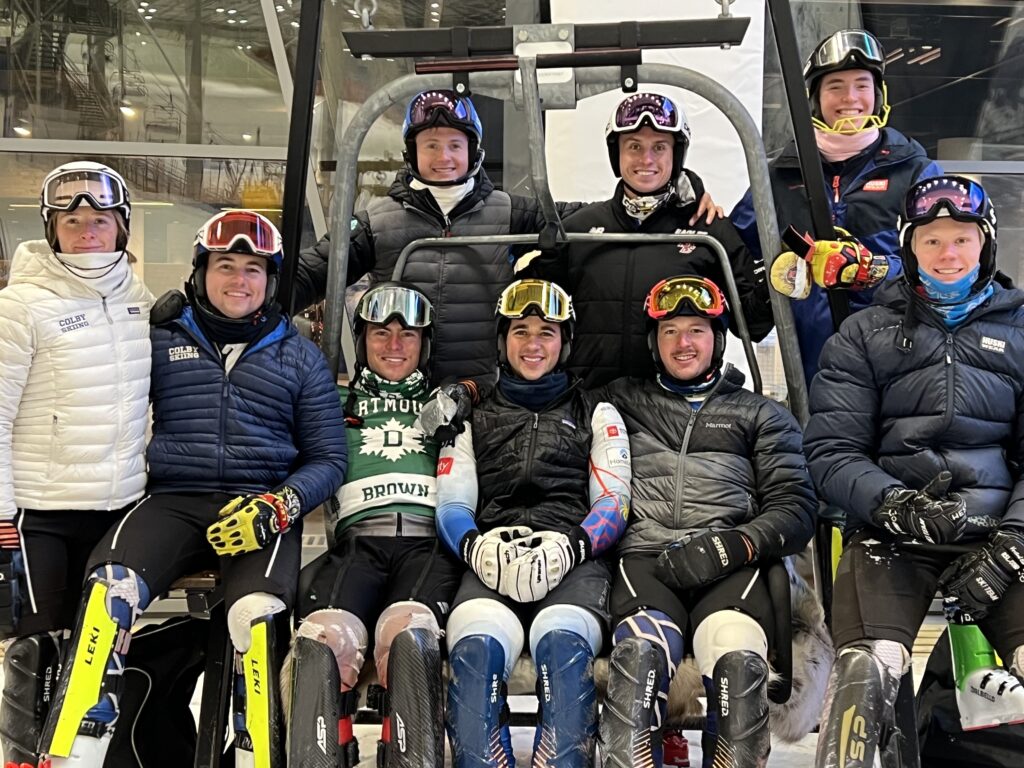
When asked what moments have reaffirmed Winterfell’s impact, Carolyn Beckendorf pointed to one athlete in particular. “The obvious answer is Nolan Sweeney making the national team,” she said. “That’s proof to me that this is a development pathway that has been missed over and over again.”
For Sweeney, Winterfell’s support arrived at a pivotal moment. After years of injuries and interrupted development during his early FIS career, collegiate ski racing offered him a chance to reset. “I had a tough few years with health issues and injuries that kept me on and off snow,” Sweeney said. After a gap year, he joined the Colby College ski team unsure if he was physically or mentally ready to fully commit again.
College racing gave Sweeney the time and structure he needed to rebuild, and Winterfell became a critical extension of that process. He credits the program with providing “national-team-level preseason structure,” including training blocks in Chile and Norway.
Equally important was the emotional and mental support. “I was exhausted and burnt out,” Sweeney admitted. “To have a group of coaches completely commit to me and believe in me changed everything. Winterfell helped me believe again—not just ski faster, but become a happier person.”
This season marks Sweeney’s first with the Stifel U.S. Ski Team, where he is targeting NorAm and Europa Cup competition in Giant Slalom and Super-G. He recently earned his first World Cup start in the Alta Badia Giant Slalom, a milestone that underscores both his resurgence and the effectiveness of the pathway Winterfell Alpin was built to provide.
Where Is Winterfell Alpin Headed?
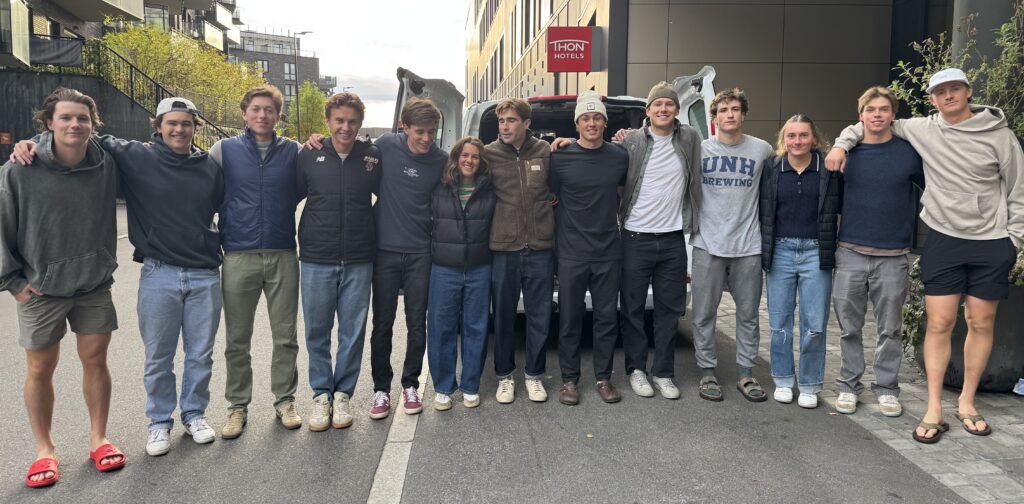
Winterfell Alpin continues to grow organically, guided by athlete needs rather than a rigid expansion plan. When asked about the future, Tony and Carolyn acknowledge uncertainty—but see that as a strength rather than a limitation.
Potential growth areas include expanded support for women’s NorAm athletes or the evolution into a more formal private team. Tony also notes that many of Winterfell’s original athletes are set to graduate from their NCAA programs within the next two years, a shift that could naturally reshape the program’s direction.
While Winterfell’s future structure may evolve, its mission remains unchanged. The program will continue to provide high-performance support for athletes navigating the critical transition from NCAA competition to elite international ski racing—filling a long-overlooked gap in the alpine development pipeline.
About the Author: SR Staff Report