Photo courtesy: Maddie Kaiserman
Tips on LP Application and Why It Is Beneficial
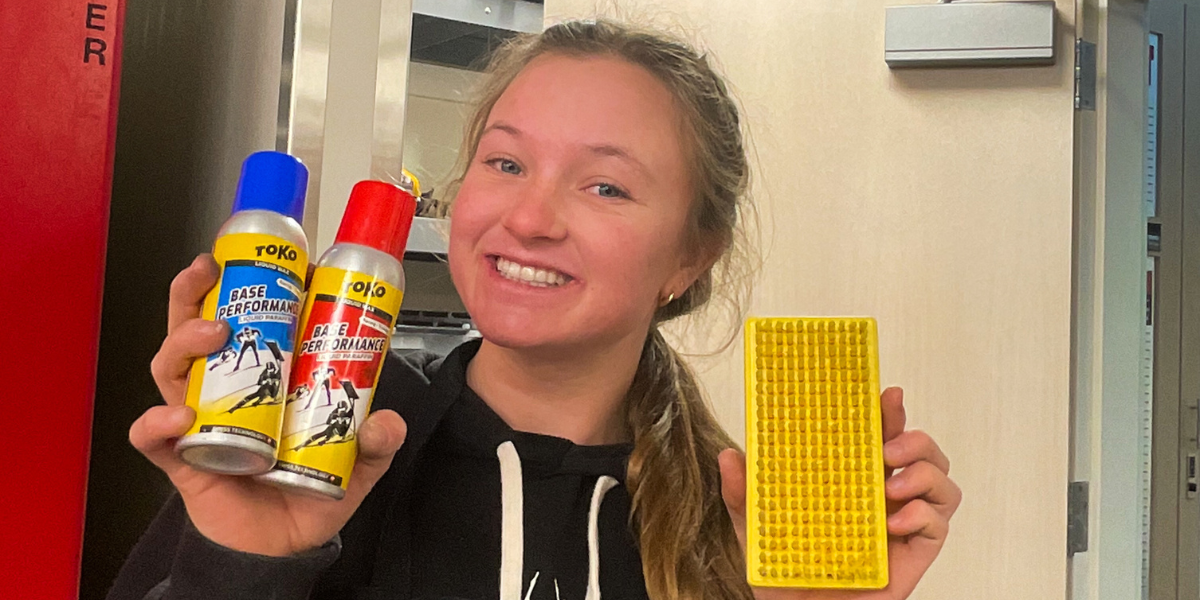
Hi, everyone! My name is Maddie Kaiserman. I’m a ski racer from Park City, Utah, and I compete for the University of Utah Alpine team. I’m excited to share some of my go-to tips and tricks for the season. Today, I’ll talk about using liquid paraffins and why I rely on them.
Why Use Liquid Paraffins?
Liquid paraffins are an excellent way to maintain the consistency of a ski’s structure, keeping it closer to the factory-created design. Frequent hot waxing can break down the microstructures faster, causing skis to lose their original structure over time.
How to Apply Liquid Paraffins
Here’s how I use liquid paraffins:
- Select the Correct Temperature Wax
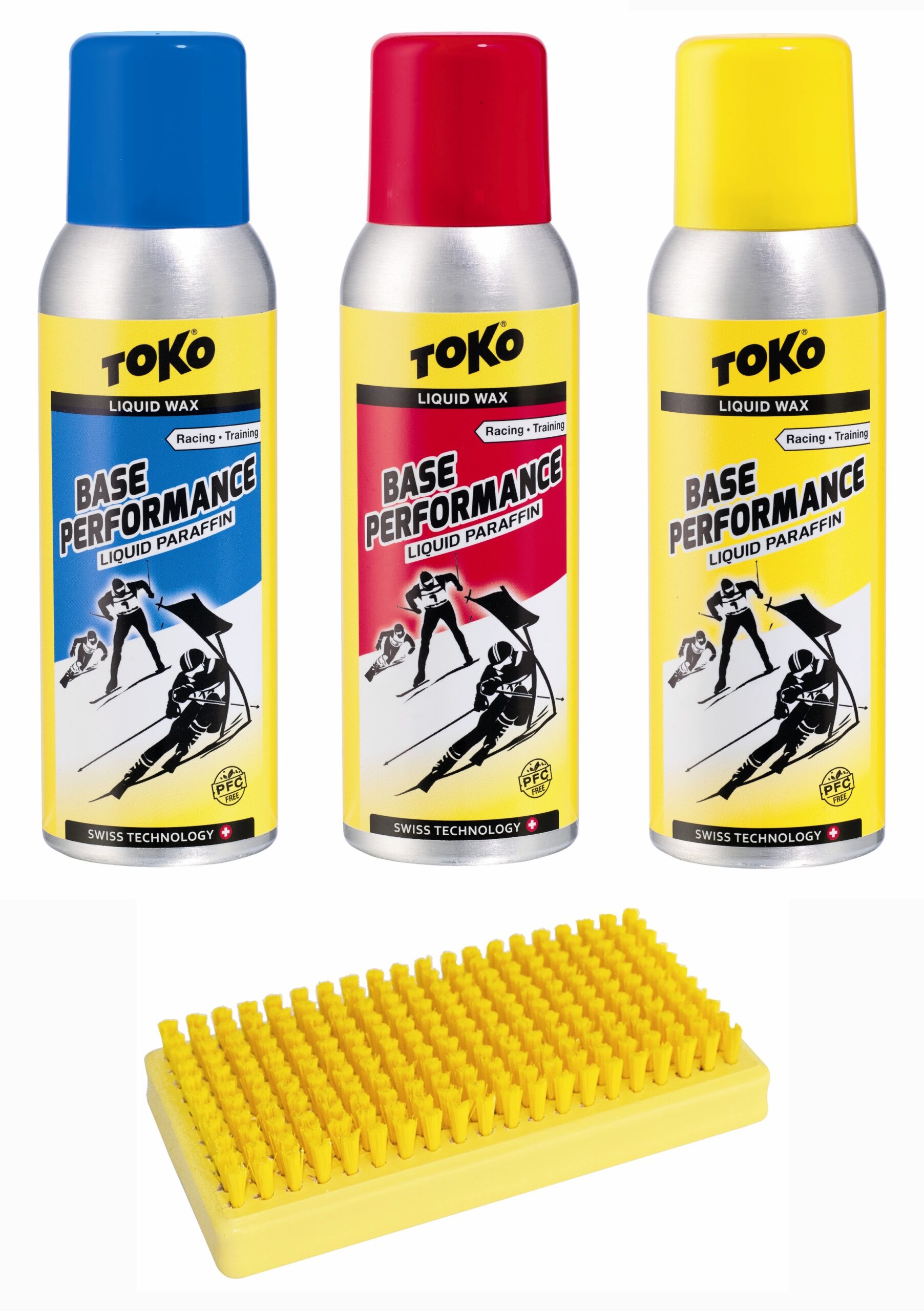
Each wax temperature has a different setting time. Blue (cold) liquid paraffin takes the longest time to set. Red (universal) sets more quickly, and yellow (warm) can either dry in a short time for regular wet conditions or be skied immediately after spraying in very wet conditions. - Prepare the Skis
I begin by brushing out my skis and cleaning the base to prepare for spraying. - Apply and Finish
After spraying, I allow the paraffin to soak into the skis for the recommended time. To finish, I use a TOKO polishing brush and make a few quick passes over the surface.
Benefits of Liquid Paraffins
These wax methods are fantastic not only for training and everyday skiing but also for improving acceleration and speed in specific conditions. As I mentioned earlier, yellow liquid paraffin works especially well for extremely wet snow, offering remarkable speed when skied immediately after spraying.
I love these products because they provide an extra boost of speed and reduce friction. Plus, they are easy and convenient to use while preserving the microstructures of my skis, keeping them as close as possible to the factory standard.
About the Author: Maddie Kaiserman