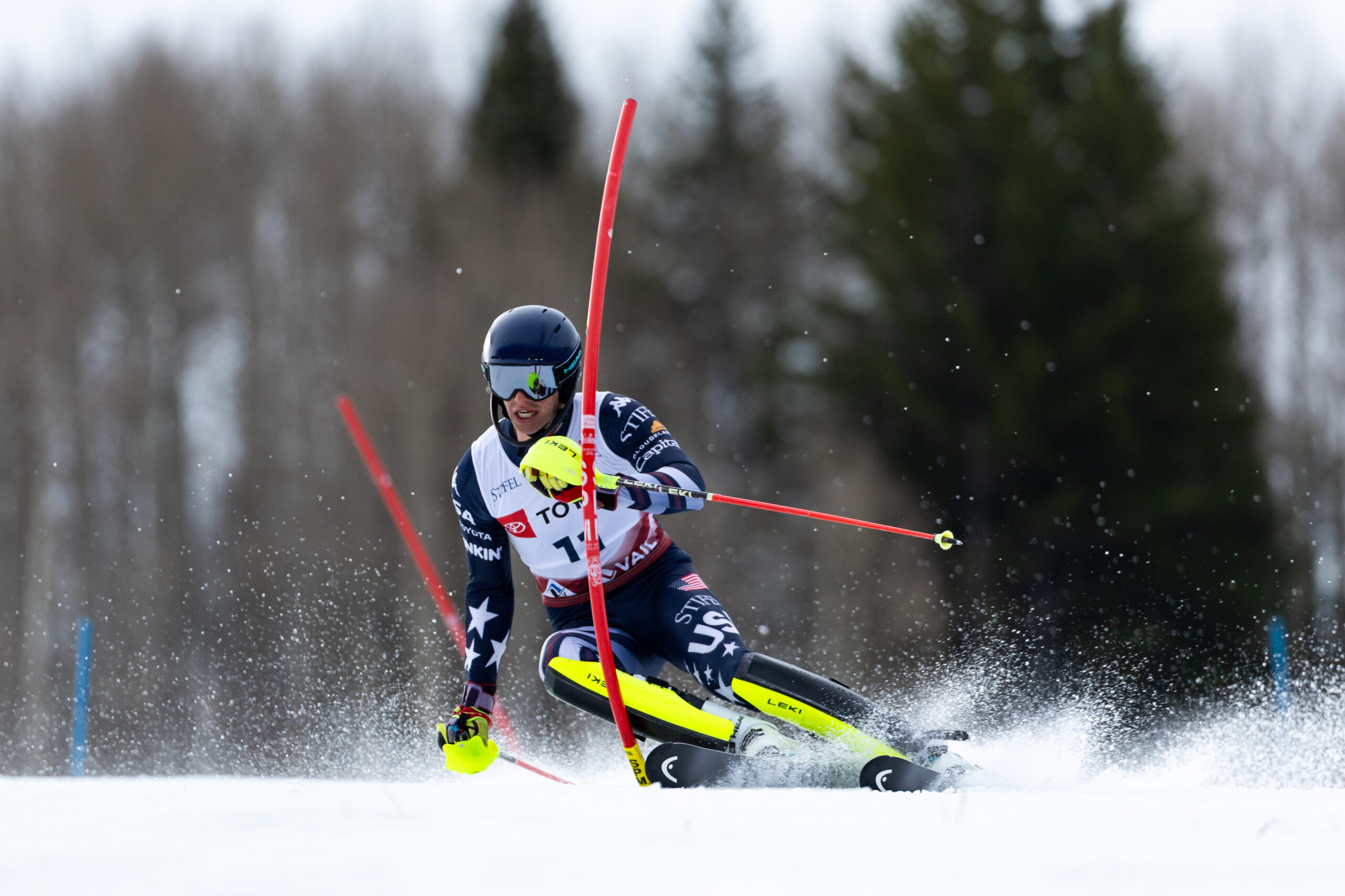
Maxi Hoder, U.S. Nationals Vail, Photo: U.S. Ski & Snowboard
When Maximilien “Maxi” Hoder was 13 years old, he couldn’t understand why more ski racers weren’t watching every World Cup race they could find.
While many of his friends followed other sports, Hoder spent weekends waking up early with his father in Vermont to watch alpine skiing. The races weren’t background noise in the Hoder household; they were events. Together, father and son studied the world’s best skiers and talked about the sport they both loved.
“I became a mega fan of the sport,” Hoder said. “I’d come home and watch every race with my dad. We’d watch at dinner or wake up really, really early in the morning to watch the races.”
Today, the 20-year-old HEAD athlete from Stowe, Vermont, isn’t just watching the athletes he admired as a kid.
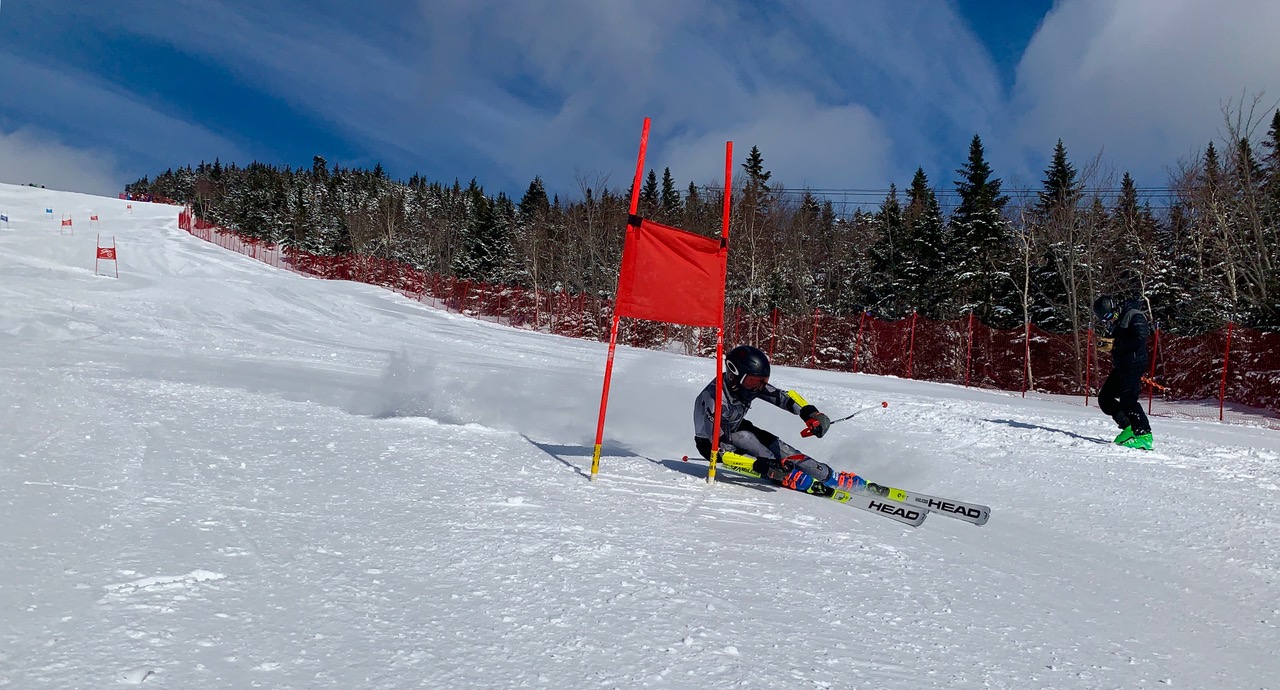
After a breakthrough 2025-26 season, Hoder earned rookie status on the Stifel U.S. Ski Team and established himself as one of the most promising young technical skiers in the American pipeline. His season included a bronze medal in slalom at the FIS Junior World Ski Championships, five NorAm Cup top-10 finishes, two NorAm podiums, four Europa Cup starts, and a tie for first in the NorAm slalom standings.
That tie for first in the NorAm slalom standings earned him something every developing racer wants: a personal World Cup slalom start position for the 2026-27 season.
For a skier who spent much of his childhood dreaming about the World Cup, the timing feels appropriate.
The journey started in Stowe.
Click on the images to enlarge
Raised in One of America’s Great Ski Racing Communities
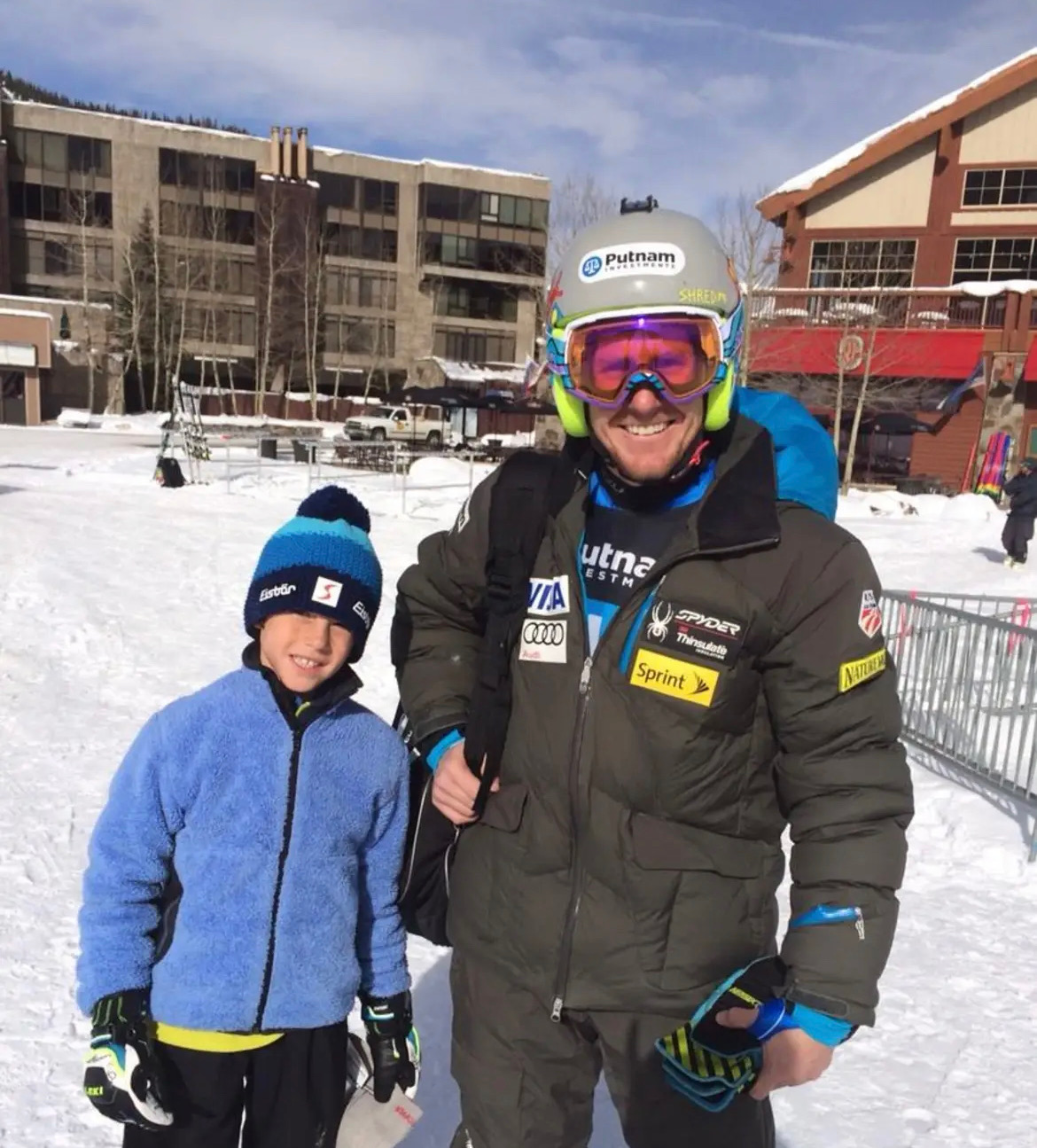
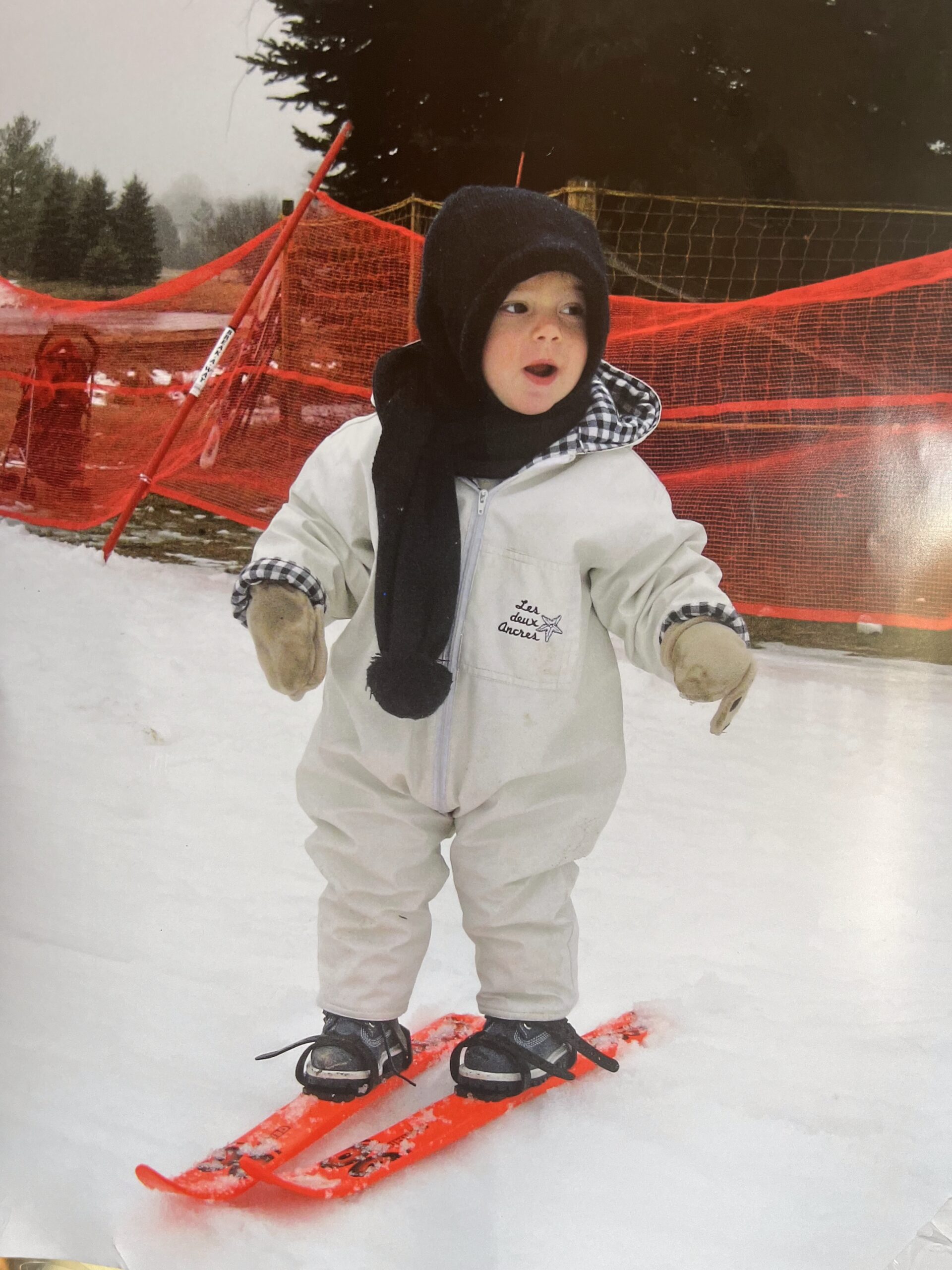
Hoder moved to Stowe when he was four years old after his family relocated from Connecticut. Skiing fast became the focus of his life.
His father raced at Bates College before competing on the professional circuit, while his mother encouraged her children to stay active and enjoy sports. Along with his older brother and sister, Hoder was introduced to skiing and ski racing at a young age.
Like many Vermont kids, he played multiple sports growing up. Soccer occupied much of his childhood and remained his primary sport outside skiing until high school.
But ski racing gradually became the focus.
The turning point wasn’t a particular result or championship; it was his growing love for the sport itself.
While many junior racers only focused on their events, Hoder became fascinated by the entire World Cup circuit. He followed races, athletes and storylines throughout the season.
Eventually, the dream became simple.
“That’s kind of where I always wanted to be—a World Cup skier,” he said.

How Did Mt. Mansfield Shape a Future U.S. Ski Team Athlete?
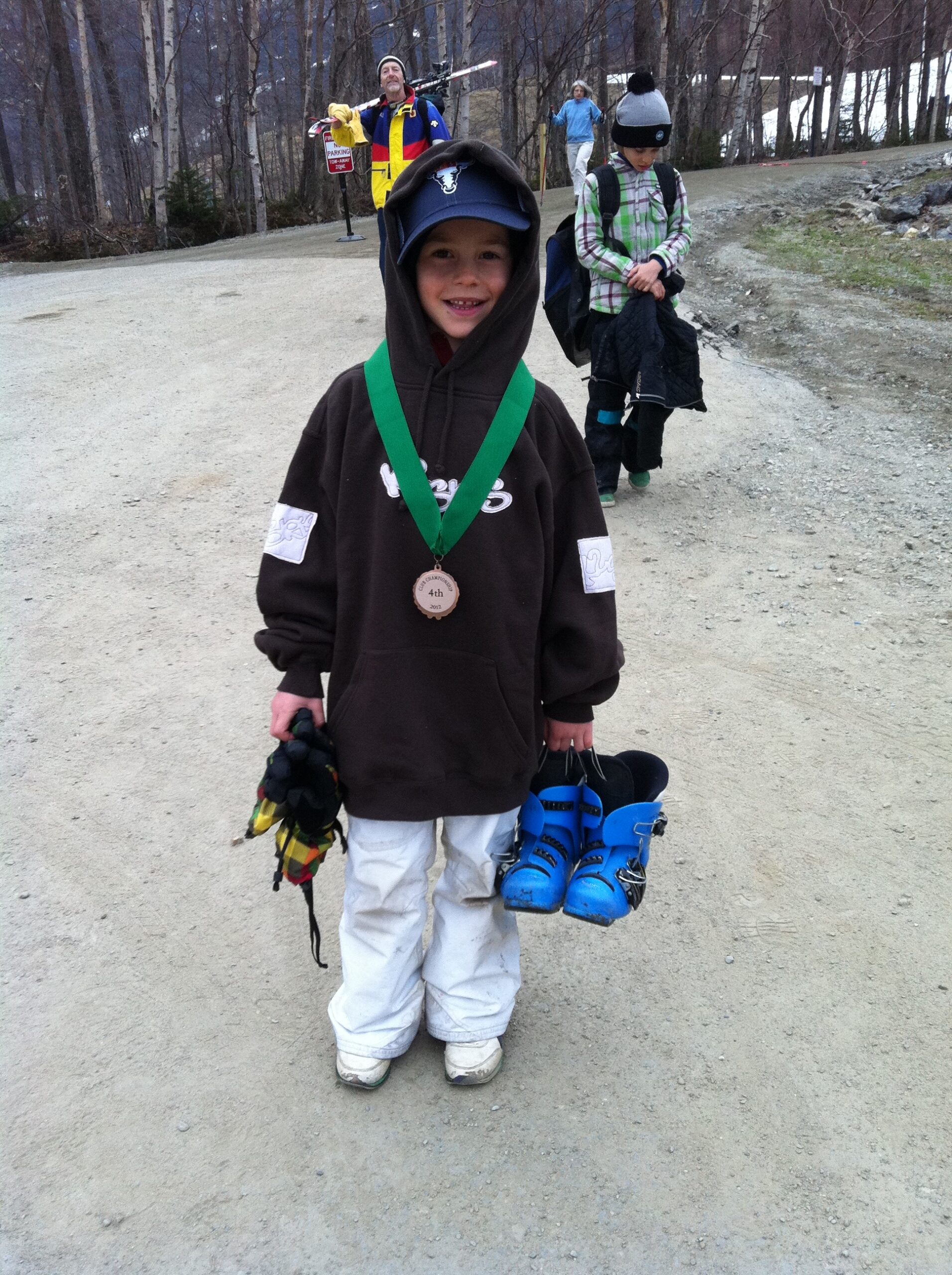
If there is one institution most responsible for Hoder’s development, it is Mt. Mansfield Ski Club and Mt. Mansfield Academy.
Hoder joined the ski club when he was old enough. Even before officially entering the program, he followed his father and older siblings around the mountain on weekends. His father became a part-time coach, allowing the family to spend even more time skiing together.
Later, Hoder became part of the first sixth-grade class introduced at Mt. Mansfield Academy and remained there through graduation.
By the time he left Vermont for Europe, he had spent nearly his entire athletic development inside one of North America’s most successful ski racing programs.
The influence of the academy went far beyond gates and race results.
Students lived and breathed skiing. Teachers followed race results. Coaches invested deeply in athlete development. Ski racing wasn’t simply an after-school activity—it was part of the culture.
Looking back, Hoder believes one of Mt. Mansfield’s greatest strengths was helping athletes develop a lifelong appreciation for skiing.
“They try to develop you into a fan of the sport rather than just a competitor,” he said.
Several coaches played major roles in his development, including Junior Program Director Micheline Lemay, who coached him for more than six years, and Lorant Gudasz, who worked with him for four years through key stages of his junior career.
More Than Just a Race Program
Among the most influential mentors was Tabor Engelken, who worked closely with Hoder throughout much of his FIS career.
Even after Hoder left Vermont, Engelken remained one of the first people he called to discuss video analysis, technical adjustments and race strategy.
That relationship will continue this season with Engelken now part of the Stifel U.S. Ski Team coaching staff.
Another important figure is longtime Mt. Mansfield Ski Club executive director Igor Vanovac.
“He showed me nothing but support throughout the years,” Hoder said.
The friendships built through the program were equally important.
Future Stifel U.S. Ski Team teammate John Kerbaugh became one of Hoder’s closest training partners after the pair met as young racers. Together, they pushed each other daily in training and helped raise each other’s levels.
The program also encouraged athletes to become complete skiers.
Hoder spent countless hours free skiing, exploring Stowe’s woods, skiing terrain parks, and developing skills that don’t always show up on a race result sheet.
“My friend group and I loved tree skiing,” he said. “We would also go skiing in the parks a lot.”
Those experiences helped build the athletic foundation that would later serve him well on the international stage.
Why Did Hoder Choose Europe?
After graduating from Mt. Mansfield Academy, Hoder faced a major decision.
Many American athletes continue their development through domestic programs. Hoder chose a different route and joined APEX2100.
The European-based academy appealed to him for several reasons.
His mother is French, and he spent significant time in France growing up. Just as importantly, APEX2100 was assembling an increasingly competitive roster of athletes and coaches.
“It seemed like APEX was building a really, really competitive team,” Hoder said.
He spent two seasons with the program, training and racing throughout Europe while gaining exposure to deeper fields of competition.
The experience accelerated his development.
Competing against athletes from traditional alpine powers such as Austria, Switzerland, France, Italy, and Norway forced him to raise his standards and adapt to a new level of daily competition.
More importantly, it gave him confidence that he belonged.
A Junior Worlds Medal and a World Cup Opportunity
Everything came together during the 2025-26 season.
Hoder emerged as one of the strongest young slalom racers in North America while proving he could compete internationally.
His biggest result came at the FIS Junior World Ski Championships, where he captured the bronze medal in slalom.
The podium placed him among the best junior slalom skiers in the world and added his name to a growing list of athletes who have used Junior Worlds as a springboard toward World Cup success.
At the same time, he delivered consistent results throughout the NorAm season. Five top-10 finishes and two podium appearances helped him finish in a tie for first in the season-long slalom standings, earning a personal World Cup start position for the 2026-27 season.
He also gained valuable experience through four Europa Cup starts, another sign that his development was moving in the right direction.
Taken together, the results made a compelling case for national team selection.
The Stifel U.S. Ski Team agreed.
What’s Next for the Stifel U.S. Ski Team Rookie?
Although Hoder now owns a World Cup start position, he does not expect to use it extensively this winter.
The current plan is to open the season at the World Cup slalom in Levi, Finland, before remaining there for the Europa Cup races scheduled the following week.
After that, performance, development priorities, and scheduling will determine how frequently he utilizes the opportunity.
The approach reflects patience and perspective.
Hoder understands that reaching the World Cup is one challenge but establishing himself there is another.
For now, the focus remains on continuing the progression that carried him from Stowe to Mt. Mansfield, from Vermont to Europe, and from junior racing to the Stifel U.S. Ski Team.
The kid who once woke up before dawn to watch World Cup races now has a start position of his own.
The next chapter begins in Levi.
And for one of America’s most promising young slalom racers, it could be the start of something special.
About the Author: Peter Lange