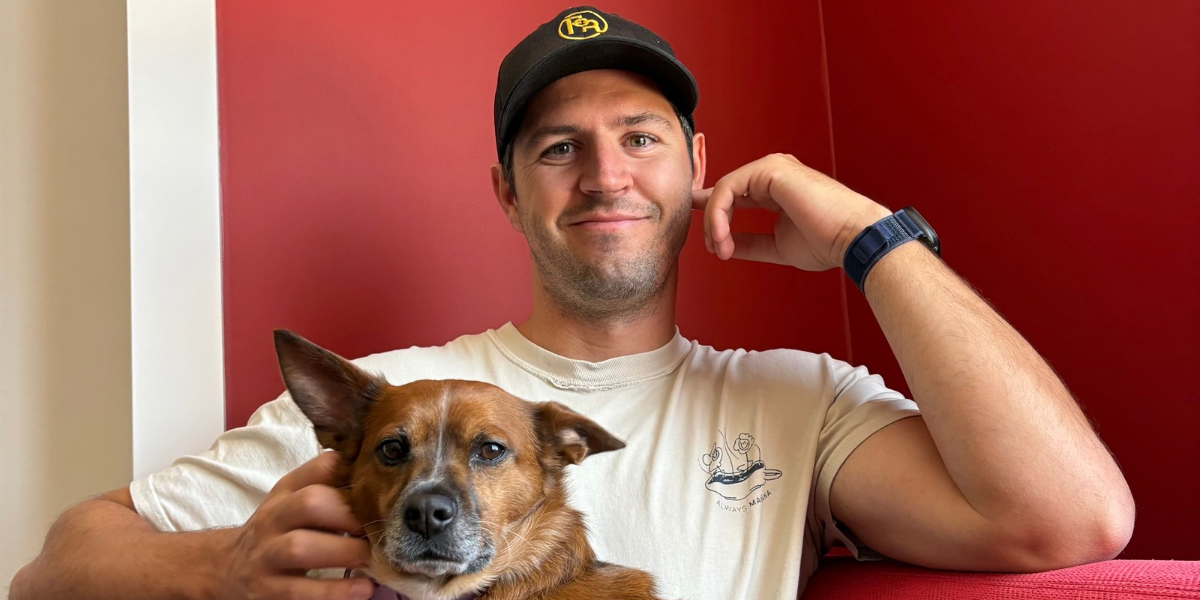
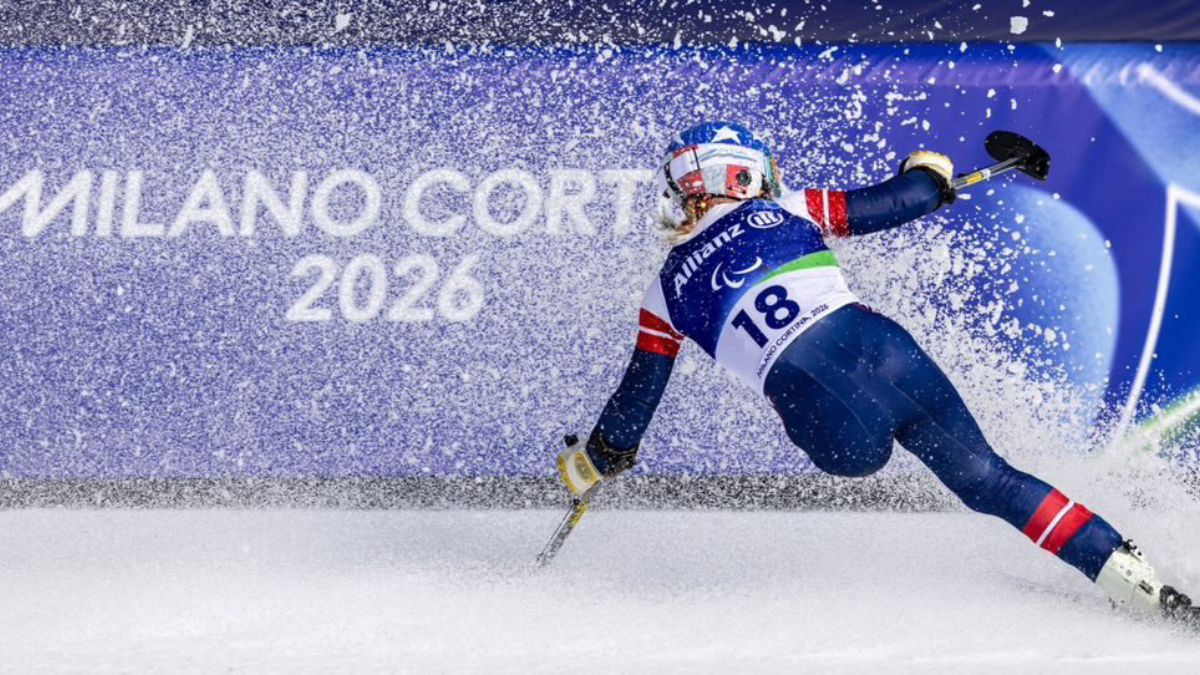
Patrick Halgren / Photoboat Photography
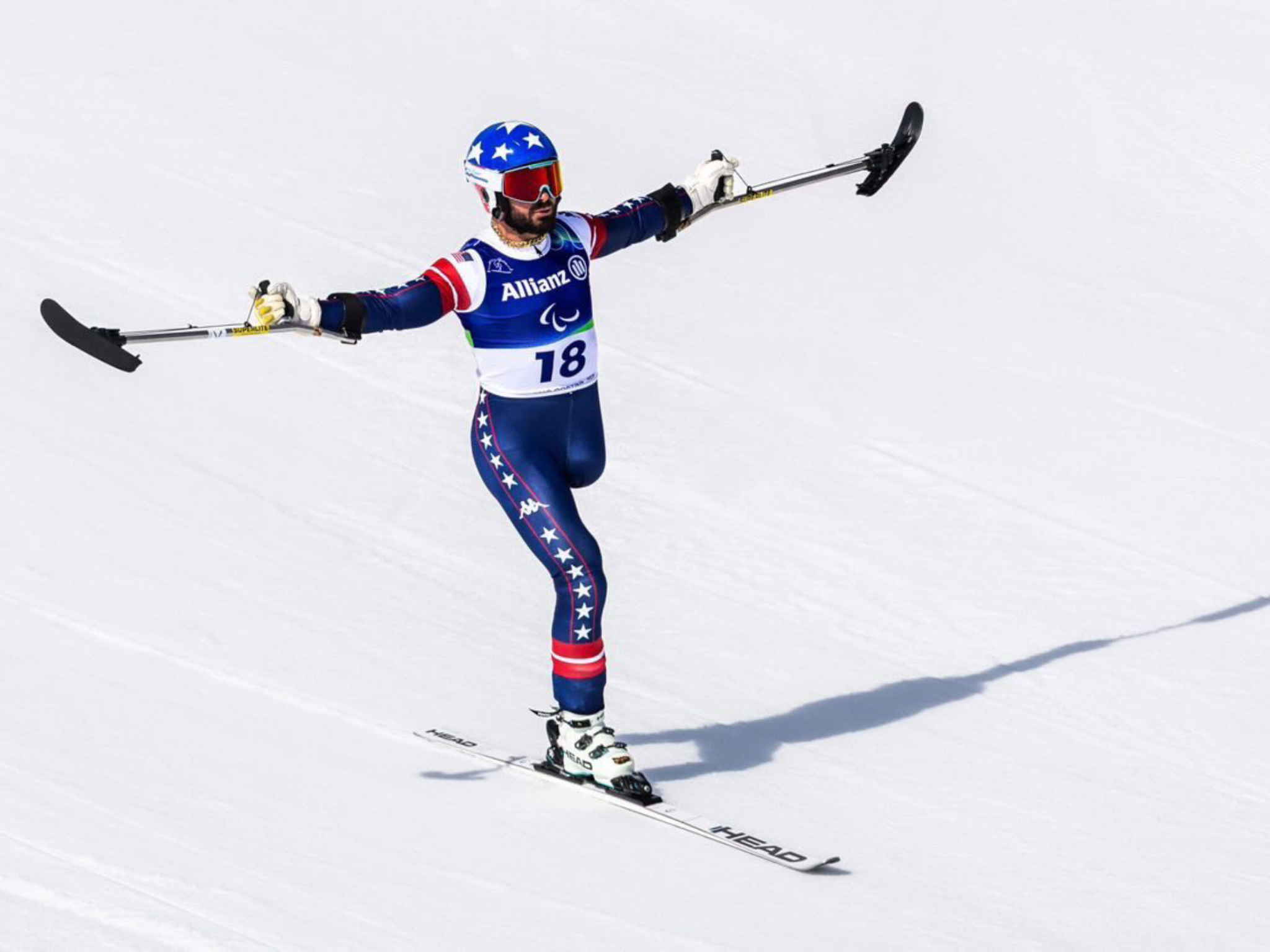
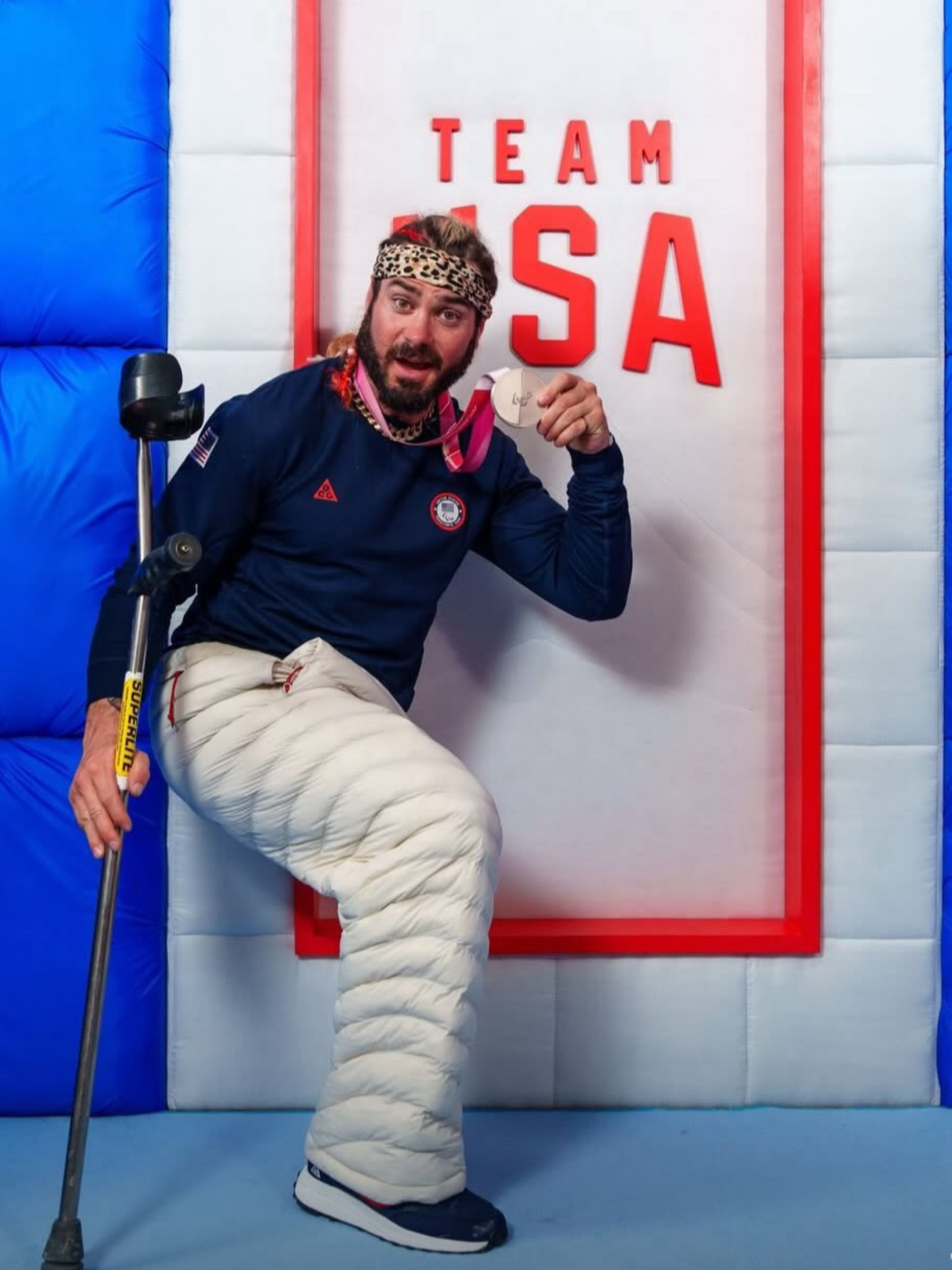
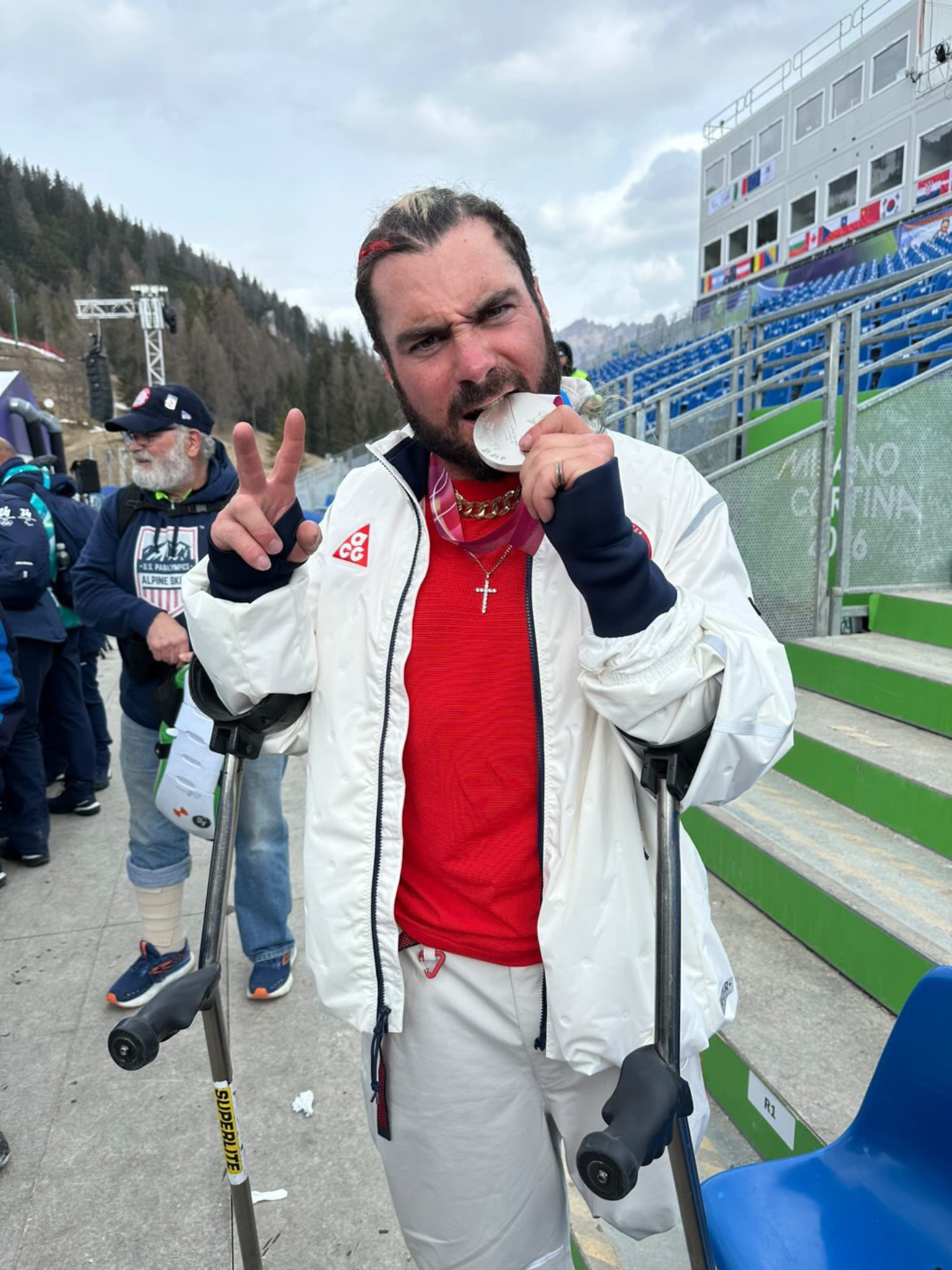
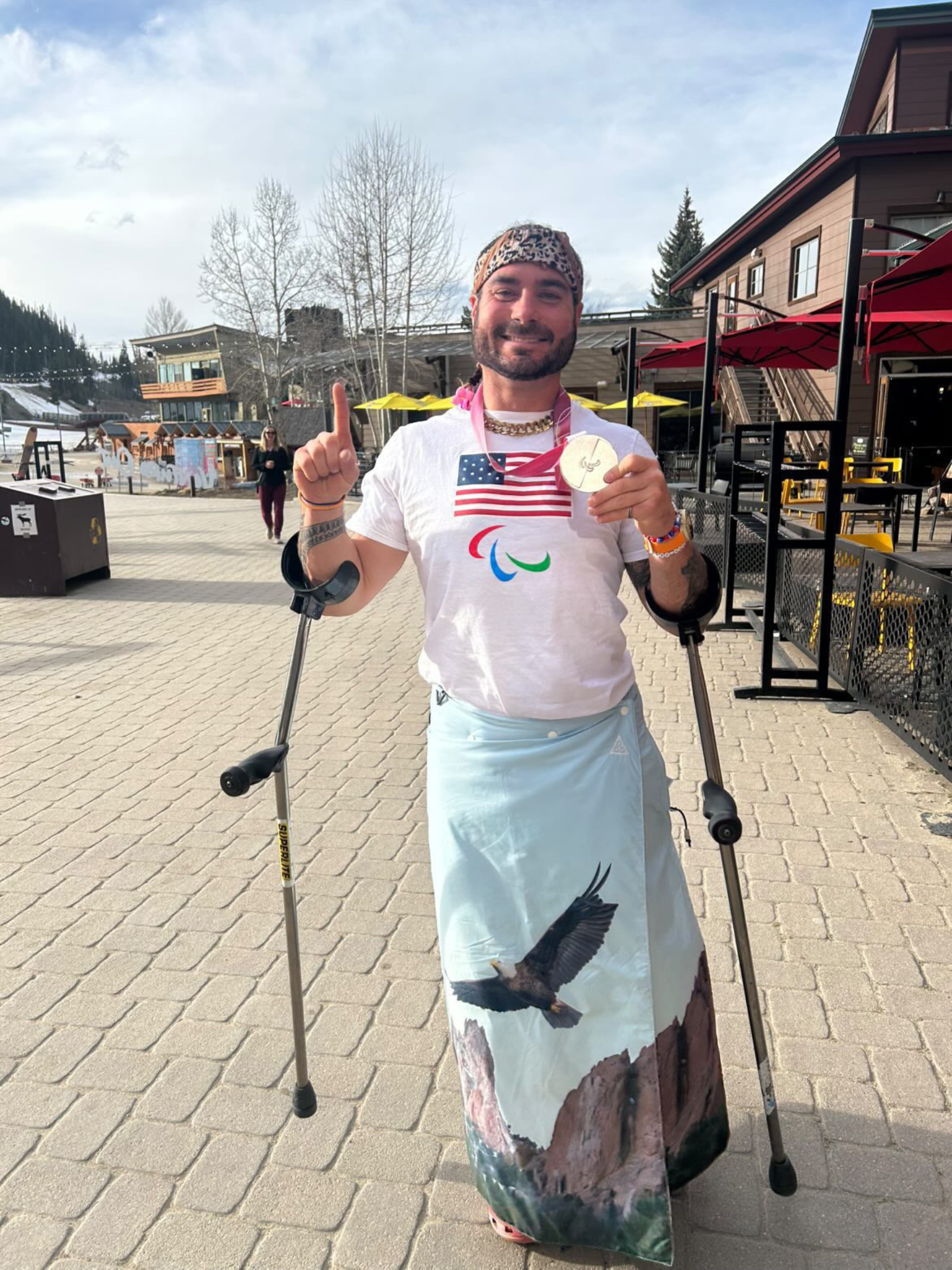
Patrick Halgren became one of the most memorable personalities of the Paralympic competition in Cortina d’Ampezzo. Two days after crashing in the downhill and crossing the finish line covered in snow, the American rebounded to win silver in the Super-G.
The result did more than earn Halgren a medal. It also brought added attention to para sport and to an athlete whose charisma, humor and perspective have made him stand out well beyond the finish area.
The Story Behind the Braids
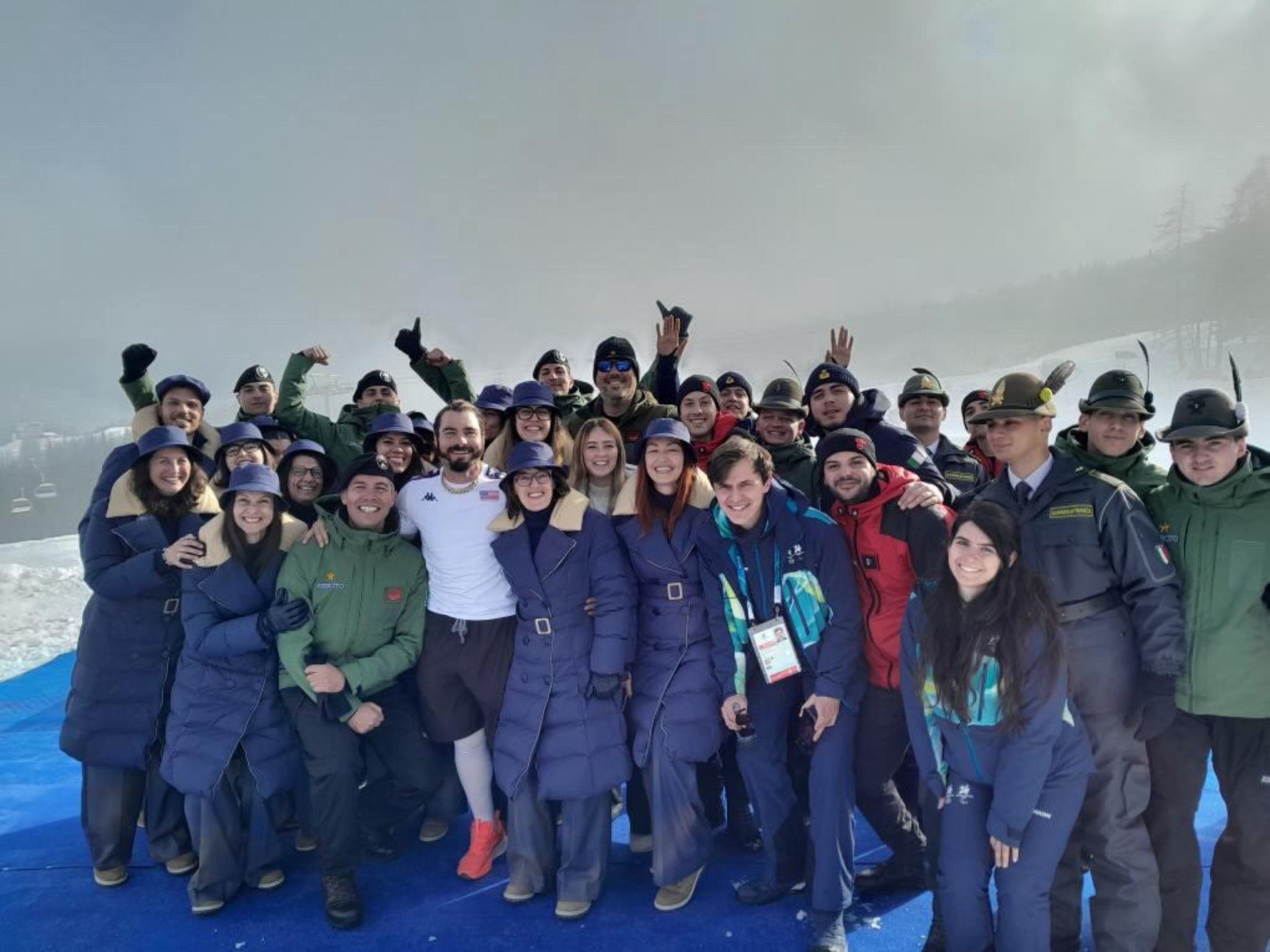
I first met him in Cortina more than two years ago during a World Cup event. Over coffee, he explained to me in his strong American accent what kind of braids he planned to wear under his helmet, while fully enjoying the atmosphere of the Italian Dolomites and sampling Czech Moravian pastries.
He had been growing his hair specifically for the Paralympics, and during his medal-winning moment, it was braided and painted in the colors of the American flag.
On Instagram, I enjoy his glimpses into van life and his thoughtful outlook on life. When I asked him for an interview, he agreed immediately, and we managed to make it happen quite quickly.
Any concerns I had about capturing the essence of this larger-than-life personality disappeared after just a few words. Behind the showman pretending to play his crutches like an air guitar is, in reality, a hardworking, intelligent, humble, kind and genuinely pleasant young man with a compelling story and a perspective that stays with you.

Brother
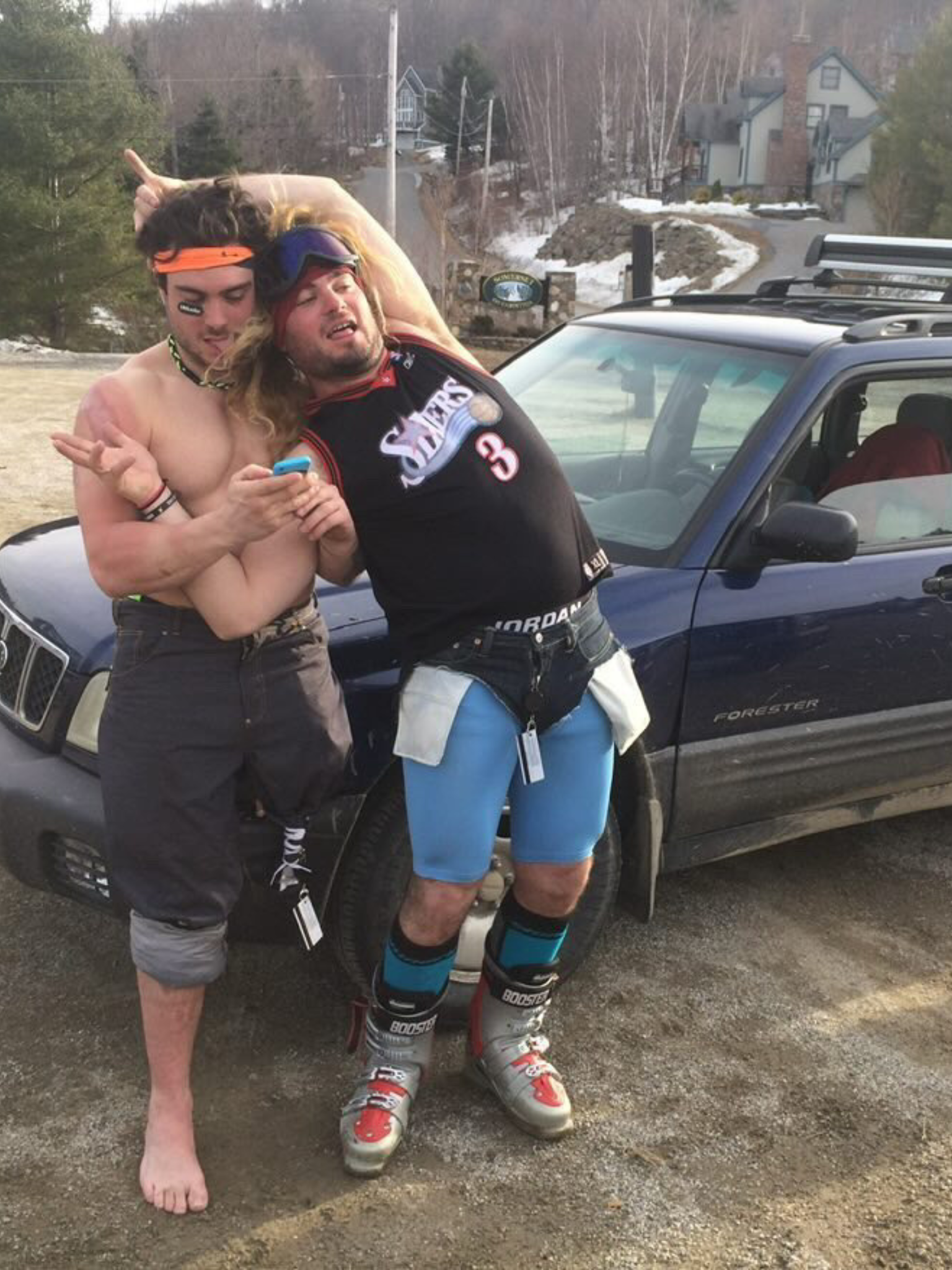
Lucas Sven Halgren, Patrick’s twin brother, left university and started working at a ski resort. He gradually worked his way up from parking cars to becoming part of the ski patrol. Alongside that, he volunteered with adaptive skiers.
“For that work, he got a ski pass, which he gave to our dad and helped get him back on the slopes as a former skier,” Patrick Halgren says about his brother.
“When I lost my leg, he knew how to ski on one leg before I did. I wanted to become a professional athlete, so I tried several Paralympic sports because I thought skiing would be too dangerous. But the atmosphere on the slopes and the possibility of working directly in a ski resort eventually brought me here,” recalls Patrick, who lost his leg in a motorcycle accident in 2013, after which he spent a month in a coma.
Together, the brothers managed to work two winters in a single year — one in the United States and another in Australia or New Zealand. They lived in caravans and worked side by side.
What “Svendit” Means
Eight years ago, Sven was also involved in a motorcycle accident — one he sadly did not survive.
Losing his twin brother deepened the sense of duality in Patrick’s life even more.
“It was the moment I realized I wanted to do extraordinary things. I wish he could see me now, because this whole thing was really his idea. Honestly, he was there with me at the Paralympics, and we were cheating — he pushed me onto that podium,” Patrick jokes about his Super-G silver medal.
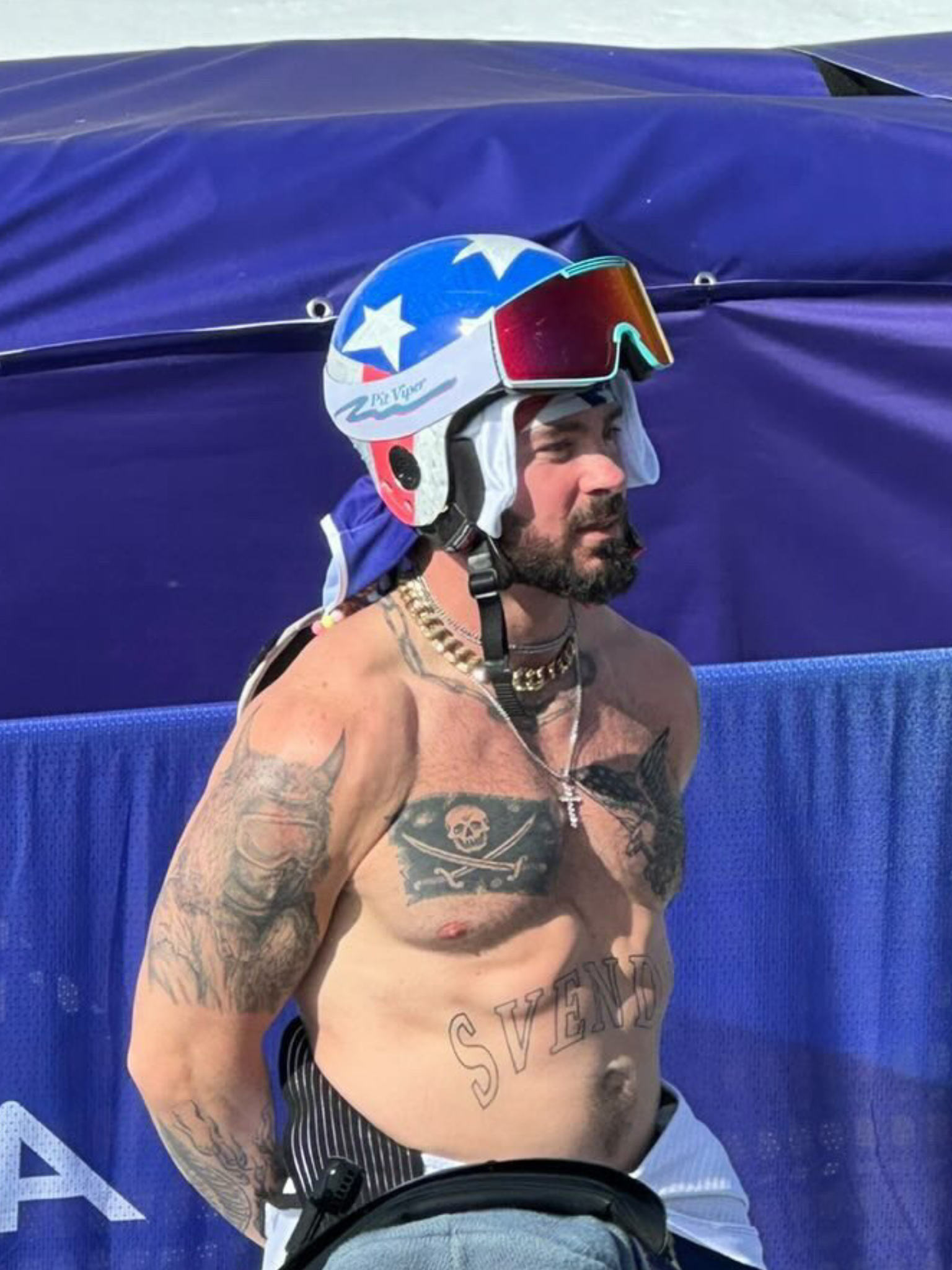
He still carries his brother close to his heart — both metaphorically and literally, through tattoos and “Svendit” stickers.
“It means having the courage to be self-aware and face adversity — basically, svending it for him. It’s not enough to think you’re special; you have to actually do special things. All of my biggest dreams are coming true now, but only because I’ve gone through the darkest nightmares and the hardest moments imaginable. He died, and I’m still here, living my dream.”
Patrick also says that skiing in New Zealand, at the place where Sven skied for the last time, held a deeply special meaning for him.
Working Hard Even When You’re Exhausted — and Staying Nice Even When Others Aren’t
Patrick Halgren says he wasn’t a different person before the accident than he is today, but the hardships he experienced also brought unexpected opportunities — including the chance to become a professional athlete.
“It’s give and take. Looking back now, losing my leg was the best thing that could have happened to me,” Halgren says with a smile.
At the same time, he never forgets where he came from or the many people whose hard work and support helped him get to where he is today.
“My parents didn’t have an easy life. They had to work incredibly hard. They taught me the values that help me today: work hard even when you feel like you can’t anymore, stay nice even when people aren’t nice to you, and always try to be the best version of yourself.
“I’m not chasing medals or victories — I can’t control who wins a race or how others perform. But I can control how hard I work. And that’s what brought me a medal,” he explains, describing his philosophy of life.
“You can’t carry medals or trophies with you everywhere. But you always carry your character and who you are as a person. So many people helped me on the journey toward this dream — whether by giving me a job at a resort, supporting me or helping in other ways. I truly appreciate that, and I’m grateful for it.”
Like Batman
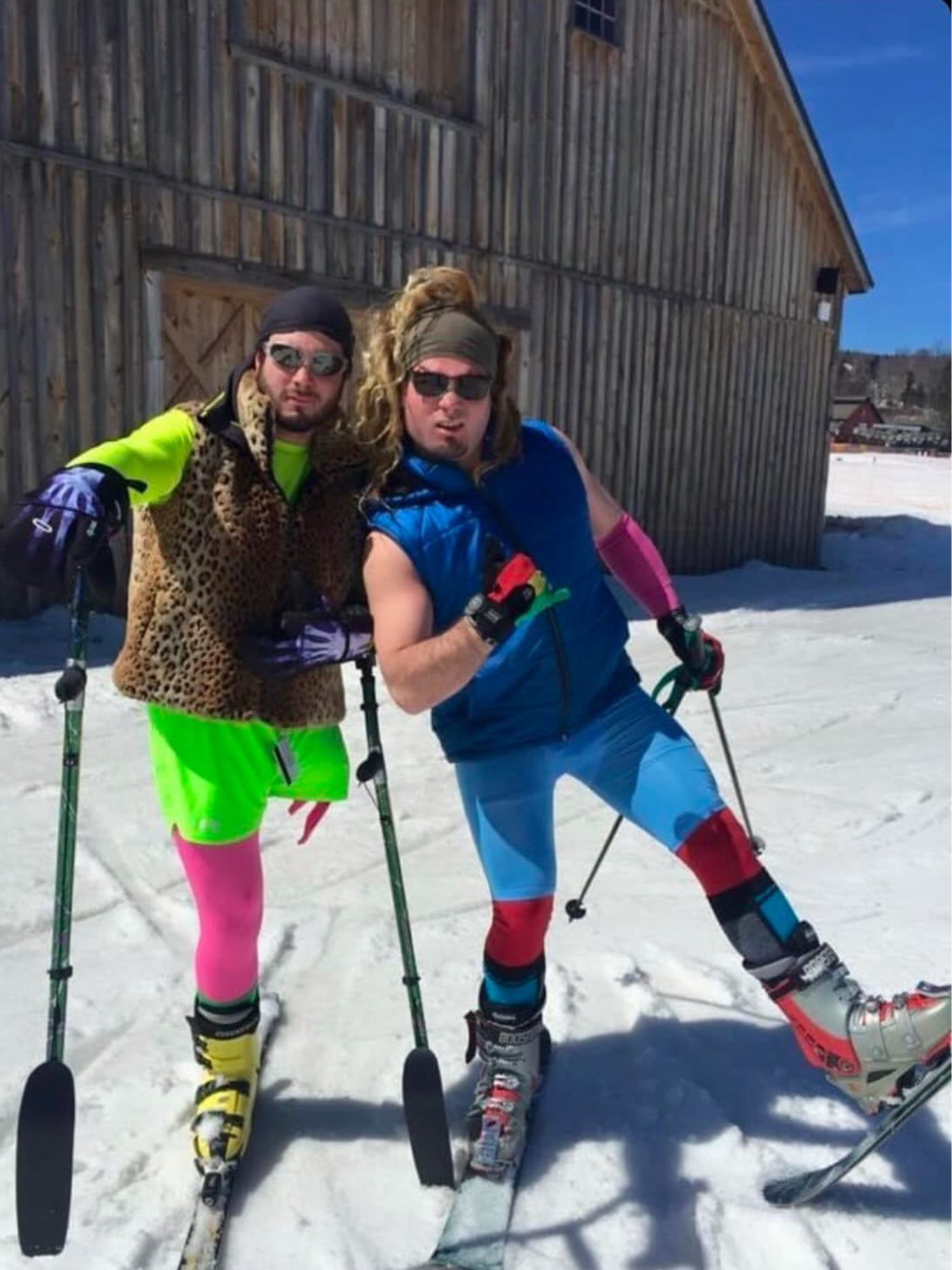
Although he is completely focused on performance and technique during a race, off the slopes Patrick is anything but serious.
He has always liked standing out a little, and he knows that if you want to be special, it’s not enough to simply think you are special — you have to do special things. But for him, that idea also carries a deeper meaning: he knows he can inspire people.
“I know — I look a little wild out there, jumping around on crutches and doing crazy things. But I enjoy it.” At the same time, however, he adds, “If you don’t practice humility, you’ll be cursed by embarrassment.”
Over the years, he has experienced many moments when his everyday work and progress inspired others.
“It’s like Batman — like some kind of superpower. There are kids out there dying from illnesses who need to see that people with disabilities can do incredible things too. Think about how many elderly or sick people must have smiled when they saw us pushing the limits.
“That’s the whole point of para sport — to inspire.”
Focusing on What He Can Control
“I don’t really look at it that way — I focus only on what I can control. Obviously, we compete in categories with athletes who have completely different diagnoses, and the system is designed to make things as fair as possible. But I’ve seen too many sad stories of athletes getting trapped in a cycle of complaining, and it completely destroys their motivation.
“I focus on my own development. I enjoy the fact that I’m able to do this, that we even have professional para sport. The only thing I can control is my own performance and becoming the best version of myself,” Halgren explains.
He also adds that he is deeply proud to represent his country — the United States of America.
“In the U.S., there’s real awareness and support for people with disabilities — whether through accessibility or opportunities. But I also see gradual progress around the world. Of course, change takes time. Sure, people still stare at me sometimes out of curiosity. But honestly, I’d probably stare at myself too — I’m obviously missing a leg. And that’s okay.
“You know, people are actually very nice. They see someone with a disability and want to help carry a bag or open a door. That’s very kind. But there’s also a very thin line between love and hate. What we often don’t realize is that by always helping, we can unintentionally make people with disabilities dependent.
“Try it sometime — let someone with a disability figure something out on their own. I’m convinced it’ll physically hurt you to watch. And sometimes that person may fail — but that’s okay. Everyone fails sometimes,” Patrick reflects on the progress of inclusion for people with disabilities.

Inspired by Bode Miller — and Filming with a Fully Disabled Crew
So far, Halgren has yet to stand on a World Cup podium. Even his Paralympic silver medal came as a surprise to him, although he celebrated it proudly in the arms of his parents.
Even though he doesn’t race the World Cup purely for trophies, he definitely has goals: a World Cup podium, a world title and three Paralympic gold medals in France. And one more dream matters just as much to him — buying a house for his mother so they can spend more time together.
“That’s what I think about when I’m crying during training,” he says about his determination.
When asked about his skiing role model, Patrick looks beyond technique and focuses more on the story behind the athlete.
“I have to say Bode Miller — an incredible skier, an American who also started from nothing in his own unique mountain environment, kind of independently, and became a globally respected star. I’ve heard a lot of stories about him, and something tells me we have a lot in common. Maybe it’s the fact that nothing was handed to us and we didn’t grow up in places where opportunities were guaranteed.
“Lucas Pinheiro is also special to me because he shares my brother’s name. I met him years ago on a glacier in Norway, and it was a really cool experience. I even wear his signature guards.”
“Outside skiing, I have to mention Jim Brown. He’s a huge inspiration to me because, like him, I also played ball sports growing up. He later became the first African American action movie star in Hollywood. I always wanted to be like him, and today I can say that together with a fully disabled crew, we created a film — and I’m living my dream.”
Us and Them – A Disabled Ski Film carries a powerful message of inclusion in its description:
“The current narrative for any disabled video content forces the viewer to feel sorry for the subject. Us and Them looks to change this narrative and show you what is really possible as a disabled person. This is a fully self-funded project filmed entirely in the Otago and Mackenzie regions.”
Like Patrick himself, the film isn’t asking people to feel sorry for people with disabilities. It’s asking them to rethink what’s possible.
About the Author: Darka Sefcik Starnova