Opedix Ski Base Layers: The Quest for Longer, Safer Ski Days

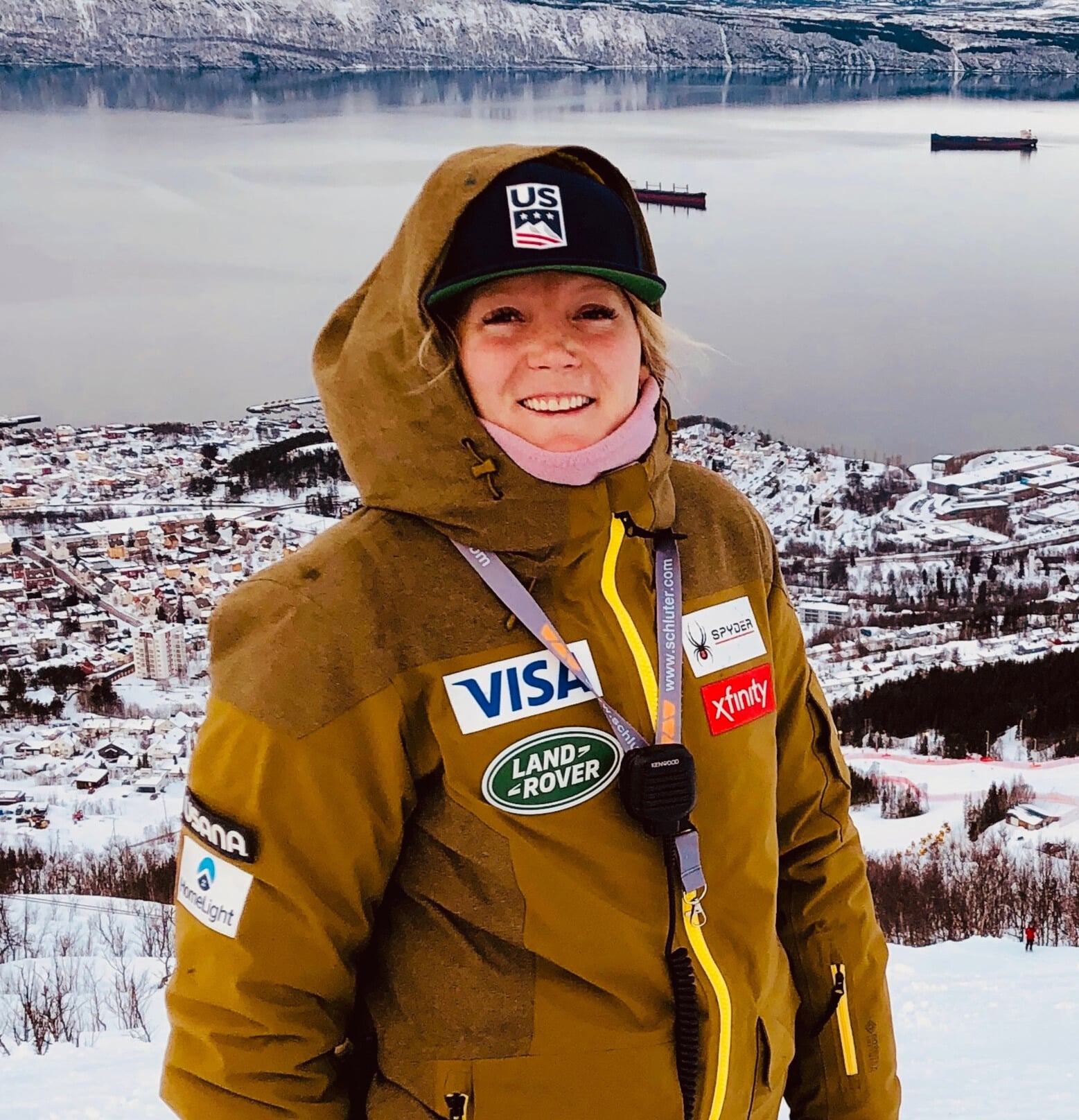
Michael Decker, PhD, engineer, the mind behind Opedix
Tired legs can end a ski day before the lifts close. For Michael Decker, that familiar problem became part of a larger challenge: Could clothing provide useful support through hours of movement—and remain comfortable enough that people would want to wear it?
That search helped produce Opedix, the directional compression ski base layers now available through SYNC Performance.
But the journey began with an idea Decker doubted would work.
While conducting biomechanics research in Vail, Colorado, he and colleague Mike Torry encountered an elaborate knee-support concept. Its straps tightened as the leg rotated. To Decker, it looked cumbersome and unpromising.
Then they measured it.
The results challenged their assumptions. Over a beer afterward, the researchers kept discussing what they had seen. Could they build useful support into something simpler?
“Well, what if something like that was built into a pair of football pants?” Decker recalled asking.
An unlikely question had opened a path toward something skiers could wear beneath their everyday gear.
The Idea Behind Opedix Ski Base Layers
Decker and Torry worked at the organization then known as the Steadman-Hawkins Sports Medicine Foundation. Decker affectionately describes their role as “the measurement geeks.”
They studied movement and evaluated ideas, including concepts people brought in hoping to improve joint support.
Decker initially approached support largely as a mechanical problem. Conventional braces used hinges and rigid shells. Compression sleeves squeezed the area around a joint.
The strap-based concept suggested another possibility worth exploring.
By about 2001, Decker recalls, they were sketching designs. Then Kim Gustafson helped give the work a practical focus.
According to Decker, Gustafson had undergone multiple ACL surgeries. He wanted support he could comfortably wear throughout the day, even if it provided less support than a substantial knee brace.
That request helped define the challenge. A design’s value depended partly on whether someone would consistently wear it.
Comfort became part of the engineering.
Click on images to enlarge


Why the Hips Matter to the Knees
As Decker continued his education, he became increasingly interested in how muscles and the nervous system work together to control movement.
That expanded his thinking beyond the knee.
He describes the lower body as a connected system. Movement at the ankle affects what happens farther up the leg. Muscles around the hip help control the pelvis and thigh.
A garment intended to support movement around the knee therefore needed to consider the hip, too.
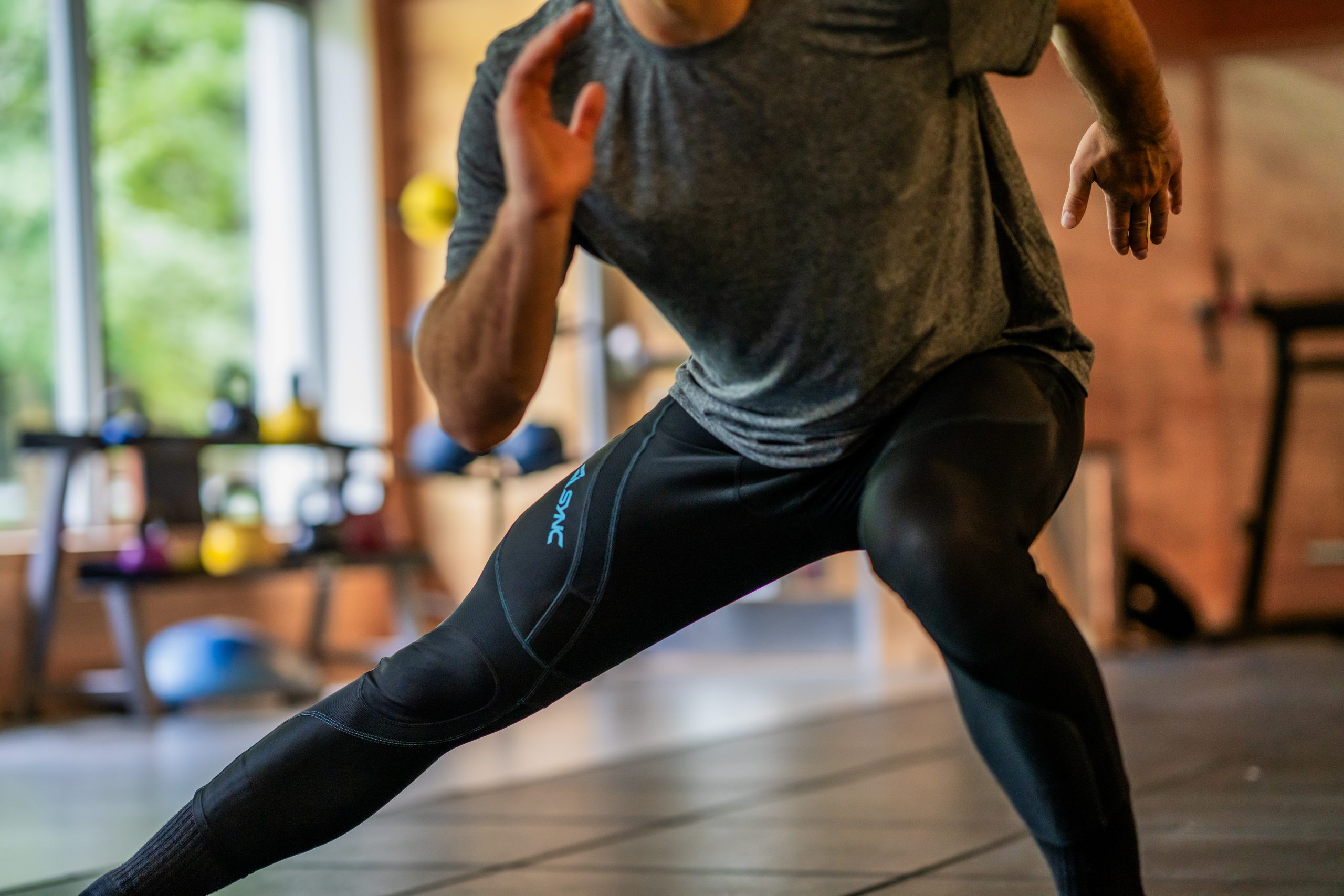
The resulting design combines fabrics with different resistance to stretch. Support bands connect areas around the hips, legs and knees, providing resistance in selected directions.
This is the distinction behind directional compression. The design seeks to influence how the body moves, going beyond the squeeze of a conventional compression garment.
“The key to me in this whole design was not to hold something in place, but to give the neuromuscular system some boundaries of how the knee functions,” Decker said.
His goal was to work with the body’s own movement control while allowing the wearer to remain active.
Taking the Questions Onto Snow
Skiing offered a testing ground close to home—and people who could evaluate a garment through long days of movement.
Decker recalls beginning with about 20 ski instructors, asking about discomfort and fatigue. The work expanded into larger studies and testing with collegiate racers.
At the University of Denver, coach Andy LeRoy helped organize on-snow research. Researchers used body-mounted sensors and pressure-measuring insoles to investigate what changed when athletes wore the tights.
Decker remembers Alex Leever among the early participants. Today, Leever leads SYNC Performance, connecting the product’s testing history with the company selling it.
For Decker, the appeal went beyond hearing whether someone liked the garment. He wanted to understand what happened during a turn.
That meant taking the measurements onto snow, studying the results and returning with new questions.


What Researchers Found During Ski Turns
A study published in Science and Skiing VII helps explain what the researchers observed.
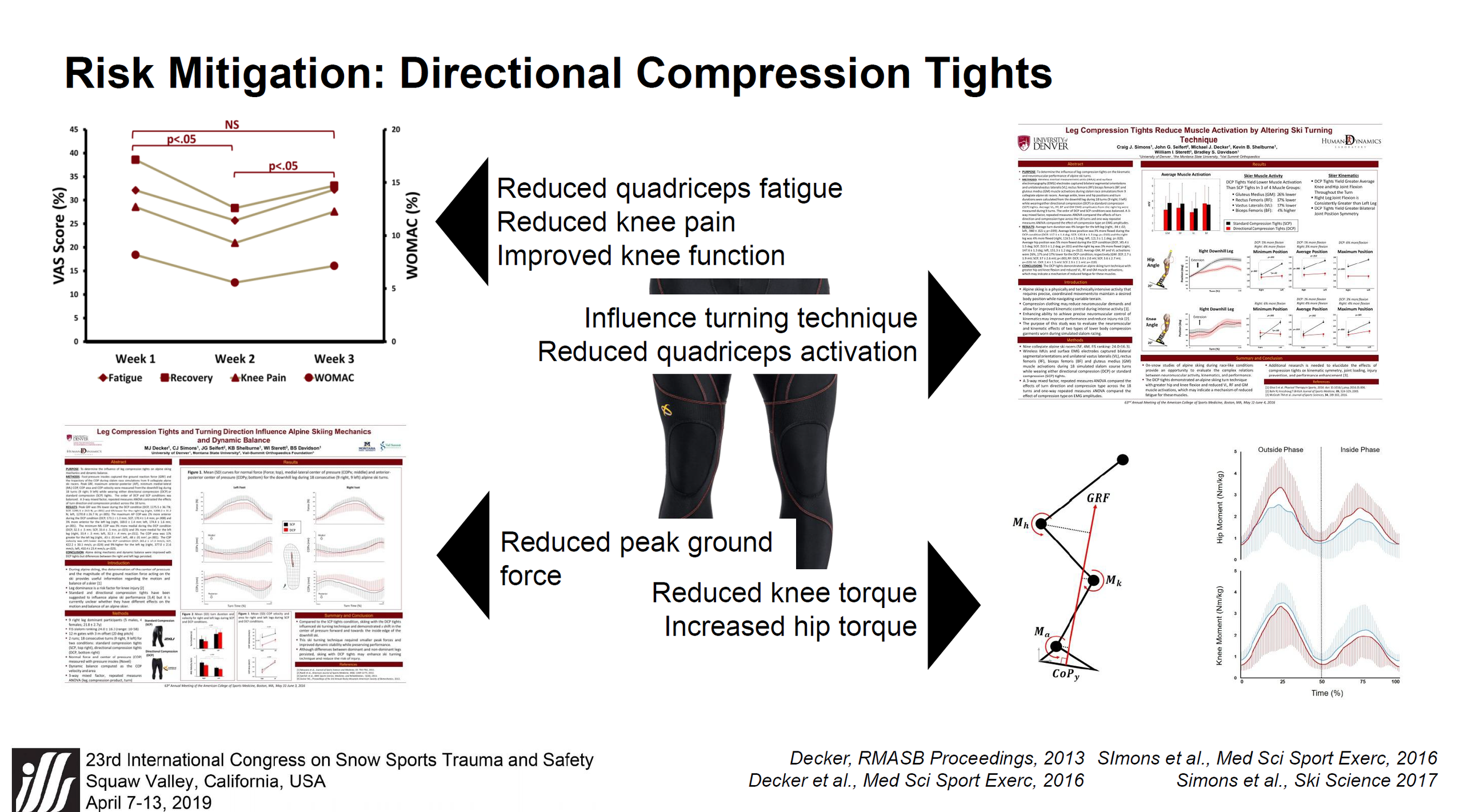
Six collegiate racers—three men and three women—skied a standardized slalom course wearing either Opedix directional compression tights or standard compression tights.
With Opedix, the researchers measured changes in posture, reduced knee loading and lower activation in two quadriceps muscles. Their analysis showed a redistribution of the muscular demands of turning, with the hips contributing a greater share and the knees a smaller share.
Average skiing speed did not differ significantly between the two conditions.
For readers, the practical point is straightforward: The garment changed how those skiers distributed effort through their legs.
That small study examined movement and loading. Its findings helped explain why the design could be worth investigating for fatigue and injury mitigation.
A Larger Study of Ski Instructor Injuries
The research also moved beyond individual turns to examine what happened across ski seasons.
A two-season investigation led by University of Denver researchers involved 341 professional instructors at three Rocky Mountain ski areas. Researchers confirmed study-group membership for 266 participants based on equipment use and completed surveys.
The study compared Opedix tights, a specialized binding, a combination of the two and a control condition using neither intervention.
The report’s adjusted analysis found a 77.8% lower overall injury risk in the Opedix-only condition compared with the control condition. That analysis accounted for whether instructors were using their assigned equipment when injured and whether the incident occurred during their on-mountain work.

The researchers also reported fewer knee injuries with the tights.
These findings concern the instructors and garments studied; they do not mean a base layer eliminates injury risk. They do, however, give the Opedix story something more substantial than an inventor’s enthusiasm: documented field research into its potential benefits.
Why Fatigue Matters Beyond Racing
For many skiers, the most relatable question remains: What might this add to my day?
Decker points to fatigue research by John Seifert at Montana State University, describing work that combined muscle-activity measurements with tracking how much participants skied. According to Decker, the findings supported reports of reduced fatigue while wearing the tights.
His interest extends well beyond racers.
Coaches spend hours working on snow. Parents try to keep pace with their children. Recreational skiers want to enjoy the days they have set aside for a mountain trip.
“If you want to ski stronger and longer, it’s a really good idea to wear these to support you in terms of fatigue,” Decker said.
For those skiers, the appeal is practical: support around the hips and knees in a garment designed to fit beneath their ski clothing.
Decker says the design grew from studying how the body functions, which also explains its appeal for activities such as hiking and running.
Skiing was the backyard where they could put their questions to work.

Fit Matters More Than Maximum Tightness
Decker’s approach to fit follows the thinking that guided development: More squeeze does not automatically mean more useful support.
He emphasizes the garment’s position around the hips and knees, along with a length that matches the wearer’s proportions.
The fit should feel snug around the knee without relying on excessive constriction.
“It doesn’t have to be so constrictive for them to work,” he said.
For shoppers, that makes careful sizing part of the purchase. The support zones need to sit where the design intends, and the garment should remain comfortable through the activity.
After all, willingness to wear it was central to the idea from the beginning.
Where to Buy Opedix Ski Base Layers
SYNC Performance sells men’s and women’s Opedix Directional Compression Base Layers. Skiers can learn more about the design and shop both versions through SYNC’s Opedix technology page.
Decker no longer participates in product development, but discussing the journey still brings out his enthusiasm. He remembers the collaborators, the testing and the satisfaction of finding something worth pursuing in an idea he initially doubted.
For skiers deciding what belongs in their equipment kit, Opedix offers a reason to consider the layer closest to their body. Its design grew from a practical ambition: make support comfortable enough to wear through the activities people love.
What began as a question over a beer became a product built around that goal.
Disclosure: SYNC Performance and Ski Racing Media share an owner.
About the Author: Peter Lange
Related Post