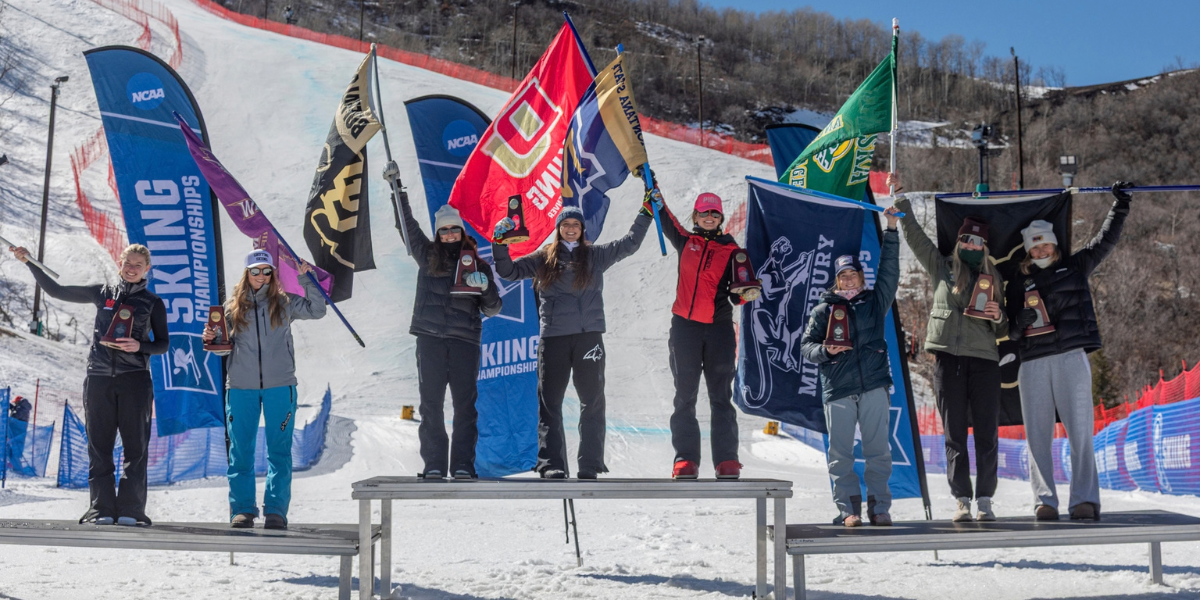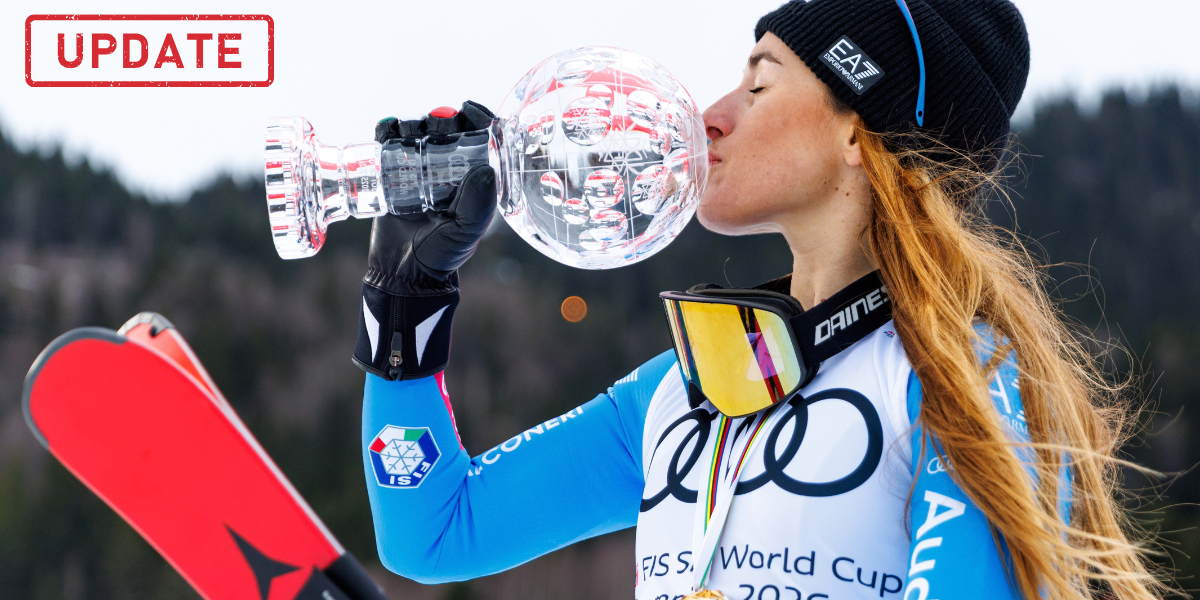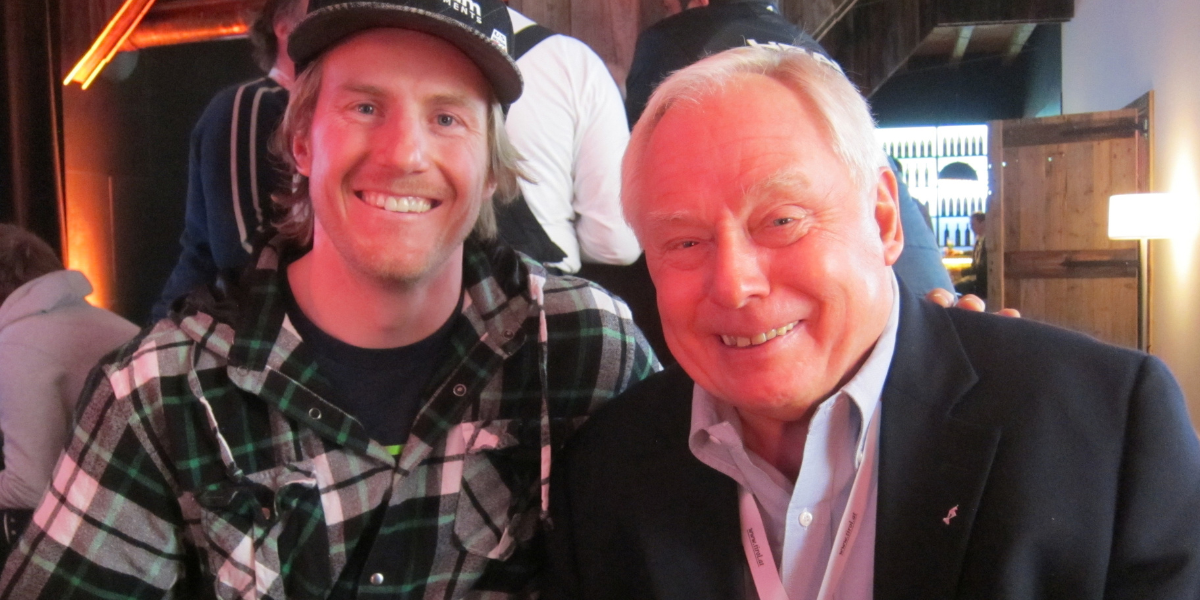
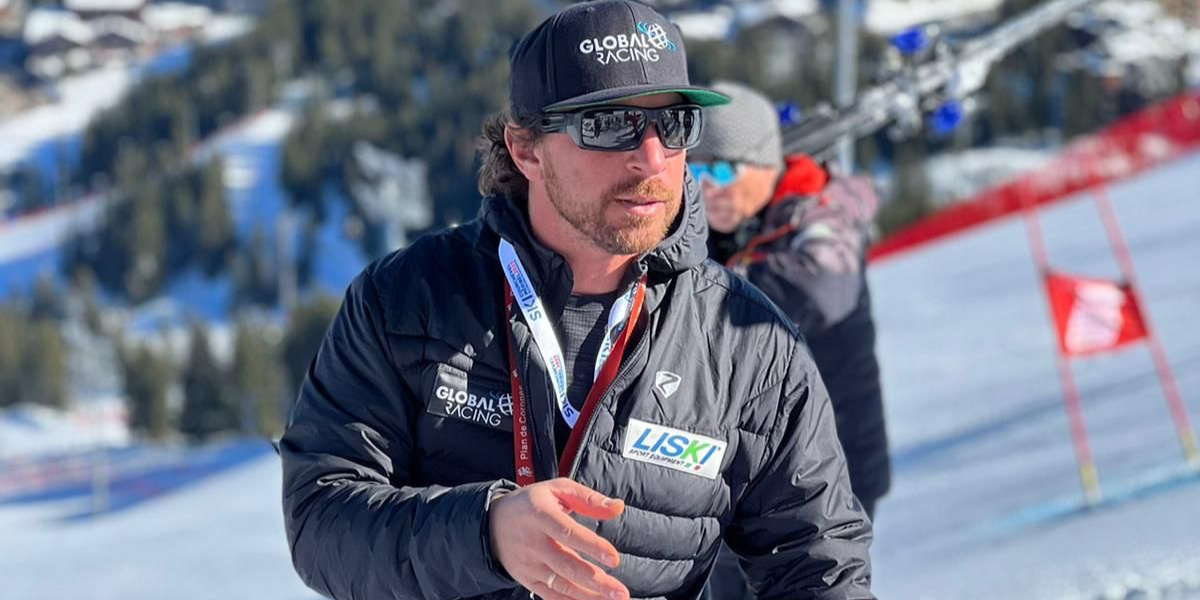
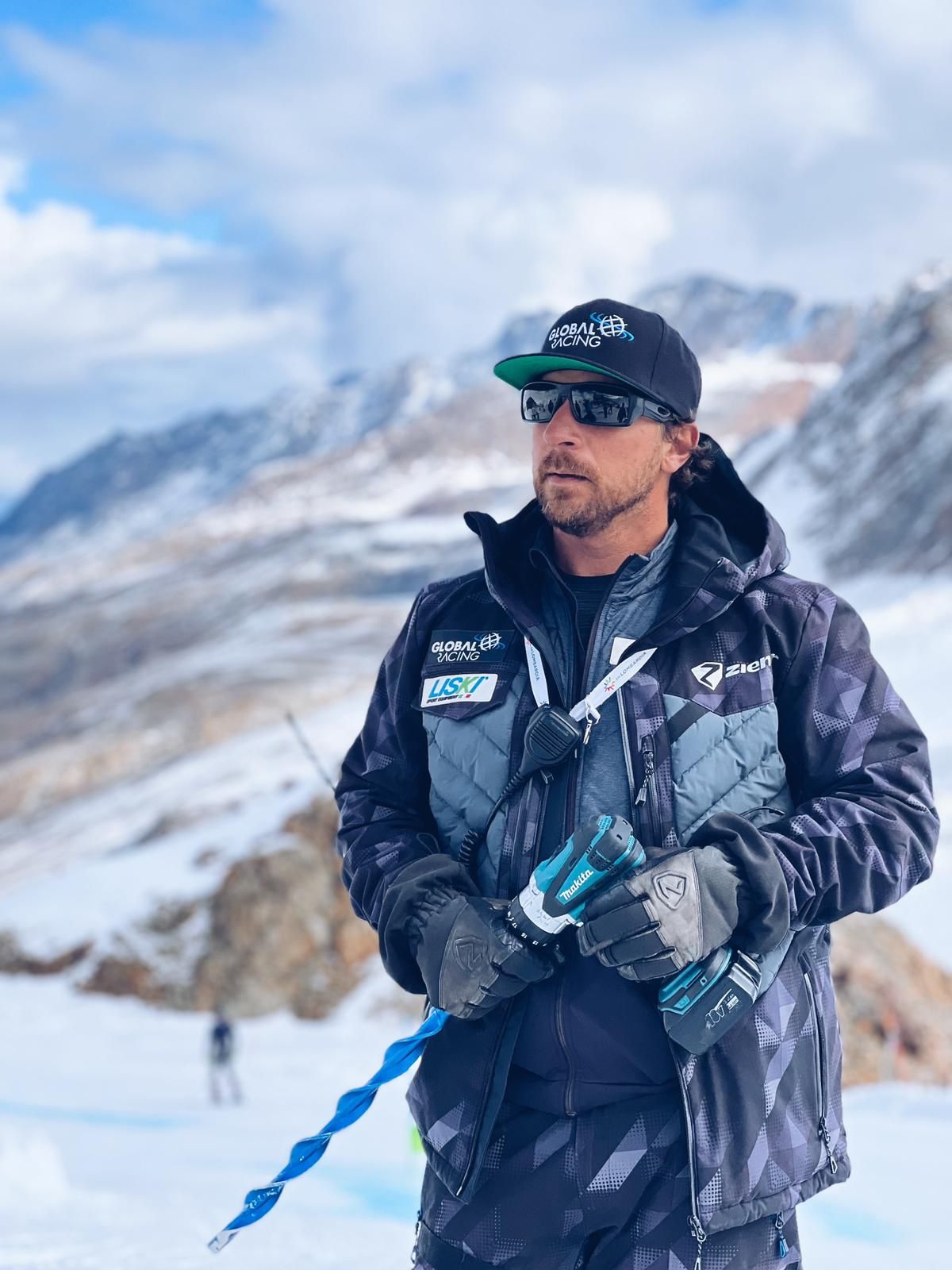
Paul Epstein / Photo Global Racing
Paul Epstein didn’t set out to build a World Cup pathway.
When he stepped away from the traditional academy system more than a decade ago, there was no long-term blueprint, no defined outcome—just one question.
“I had no specific goal in mind,” Epstein said. “I just wanted to see if I could do something on my own.”
Thirteen years later, that experiment became the Global Racing Ski Team—one of the most influential independent elite programs in alpine skiing history.
Now, Epstein returns to U.S. ski racing as the men’s World Cup tech head coach for the Stifel U.S. Ski Team with a conviction shaped over that time:
Performance at the highest level starts with the environment.
A Shift Back to Coaching—and a Purpose
For Epstein, the move is not about a title. It is about returning to the part of the job that matters most.
“I want to get into a role where I’m really just focusing on coaching,” he said. “I’m looking forward to being able to have a much more narrowed focus on just the athletes and the team.”
The opportunity had been there before. He had been approached in previous years but declined, unwilling to step away from Global Racing.
This time, the timing aligned.
“I didn’t end Global because of this opportunity,” he said. “I ended Global because of other reasons. And then I spoke with Mark Tilston (recently departed Head Men’s Coach, Stifel US Ski Team) about whether this was still an opportunity.”
What followed was not a change in direction but a shift in platform.
Why Culture Comes First
Before tactics, before structure, before results—Epstein starts with people.
“I would say that the initial thing is going to be the team building,” he said.
He understands how often that idea is reduced to superficial language. His approach is different. It is not about forced cohesion or empty messaging. It is about creating an environment where athletes, coaches, and staff genuinely support one another.
“When you have people that enjoy what they’re doing, then everyone is going to put more effort in,” he said.
He believes that effort is what ultimately separates teams.
In his experience, the impact shows up in small, everyday actions—teammates supporting each other after difficult races, staff going beyond their roles, and athletes taking ownership not only of their own performance, but of the group.
It also extends to roles that often go unnoticed.
“These guys have a huge role in the success of an athlete,” Epstein said of ski service staff. “Everyone needs to feel appreciated to keep the motivation high.”
For Epstein, culture is not separate from performance—it’s what drives it.
Click on Images to Enlarge


What Global Racing Taught Him
Global Racing’s results are easy to measure. Over nearly a decade, the program helped guide roughly 20 athletes from over nine nations into the second run or World Cup points.
But its lasting impact is rooted in something less visible.
“You can do almost anything with an athlete if there’s a trust between the two of you and you believe in them more than they believe in themselves,” Epstein said.
That trust reshaped his philosophy.
It also reinforced the idea that performance is built through relationships, not imposed through structure.
Defining the Pathway With Clarity
Structure still matters—but only when it supports development.
One of Epstein’s priorities is clarifying how athletes progress from NorAm to Europa Cup to World Cup. He believes each level must prepare athletes for the next—not simply expose them to it.
“It’s not the job of a World Cup coach to make them World Cup ready,” he said. “It should be the job of the group below them.”
When that progression is unclear, performance suffers.
“It can be demoralizing to ski at a level regularly and be six seconds out every race,” he said.
Clarity in the system reduces that gap. It builds confidence, reinforces trust, and helps athletes arrive prepared rather than overwhelmed.
Where Performance Will Improve
Within the current U.S. tech team, Epstein sees significant potential—but also inconsistency.
“There’s a lot of talent… a lot of raw talent and ground speed,” he said.
His approach to improving that performance again ties back to clarity.
“I always believe that tactics come before technique,” Epstein said. “If you’re skiing the wrong line, you’re not going to be fast.”
For Epstein, great skiing is not about how it looks. It is about how it works under pressure.
When athletes understand the line, where to apply pressure to the skis, and the intent behind each turn, consistency follows. And with consistency, results become sustainable.
Structure That Supports Performance
Epstein’s plans extend beyond the hill.
To manage the demands of the World Cup circuit, he intends to create a European base for athletes and staff—providing stability in a schedule defined by constant travel.
“My plan is that I want to have a European base for the athletes,” he said.
That stability reduces fatigue, improves recovery, and supports the environment he wants to build.
“When you live in a hotel all the time, you end up overtraining or you just get bored,” he said.
His training philosophy reflects the same balance: Push athletes when it matters, and protect their energy when it counts. “I would rather have guys be desperate to train than not want to put their boots on,” he said
A Measured but Clear Standard
Epstein is not focused on dramatic short-term change. Instead, he defines success through consistency.
With a group of six to seven athletes regularly starting World Cup races, he believes four finishing inside the top 30 of the standings is achievable.
“I think that’s very realistic,” he said.
That outcome would reflect not just individual progress, but a system working as intended.
A Long-Term Commitment
Epstein’s career has been defined by commitment. He spent 13 years building Global Racing not because it was easy, but because he believed in its purpose.
That same mindset now applies to his role with the Stifel U.S. Ski Team.
“I commit to things,” he said.
The objective is not just to improve results; it is to build an environment where athletes can consistently perform at their highest level—and sustain it.
After years of proving what is possible outside the system, Epstein now steps into it with a clear direction.
About the Author: Peter Lange