The Norwegian-born athlete gets to dominate the sport while dancing to his own tune.
Lucas Pinheiro Braathen quickly admits that he missed racing almost the moment he stepped out of the sport.
A journey of triumph, setbacks, and reinvention
Growing up and learning to ski near Oslo with a Norwegian father and Brazilian mother, Lucas Pinheiro Braathen emerged as a significant force within the Norwegian Ski Federation. He made his World Cup debut with a 26th-place finish in the Val d’Isère giant slalom in December 2018. By the following season, he had broken into the top 10 and secured his first victory in the Sölden GS in 2020. However, a crash and knee injury in January 2021 sidelined him for the remainder of that season.
From Injury to triumph: Pinheiro Braathen’s remarkable comeback
He returned triumphantly in January 2022, winning the Wengen slalom and earning podiums in the Kitzbühel slalom and giant slaloms in Kranjska Gora and Méribel. During the 2022-23 season, at just 22 years old, he claimed the World Cup slalom title, notched several victories and podiums across disciplines, and delivered an impressive seventh-place finish in his World Cup super-G debut in Beaver Creek. Despite his success, he surprised many by announcing his abrupt retirement last October.
Beyond skiing, Pinheiro Braathen has cultivated a reputation as a fashion model known for his unique style. His passion for personal branding and sponsorships brought him into conflict with the Norwegian Ski Federation, whose restrictions on athlete sponsorships clashed with his vision. This disagreement played a significant role in his decision to step away from competitive skiing. By pursuing new opportunities in product development and personal partnerships, he continued to carve his own path while remaining connected to the sport he loves.
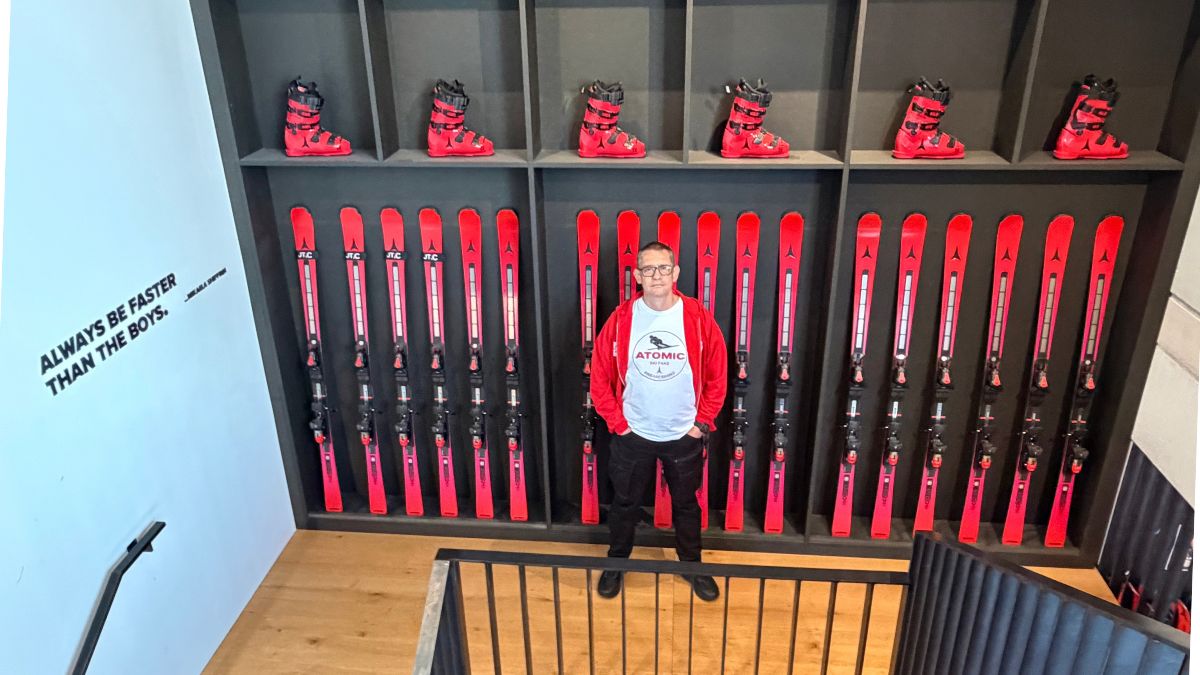
He spent the year working with Atomic, Oakley and several clothing brands on product development, skiing on his own time. Last spring, Pinheiro Braathen announced that he would return to the World Cup circuit for 2024-25, competing for Brazil. So far, he’s making up quickly for lost time.
Click Images to enlarge
No lost talent
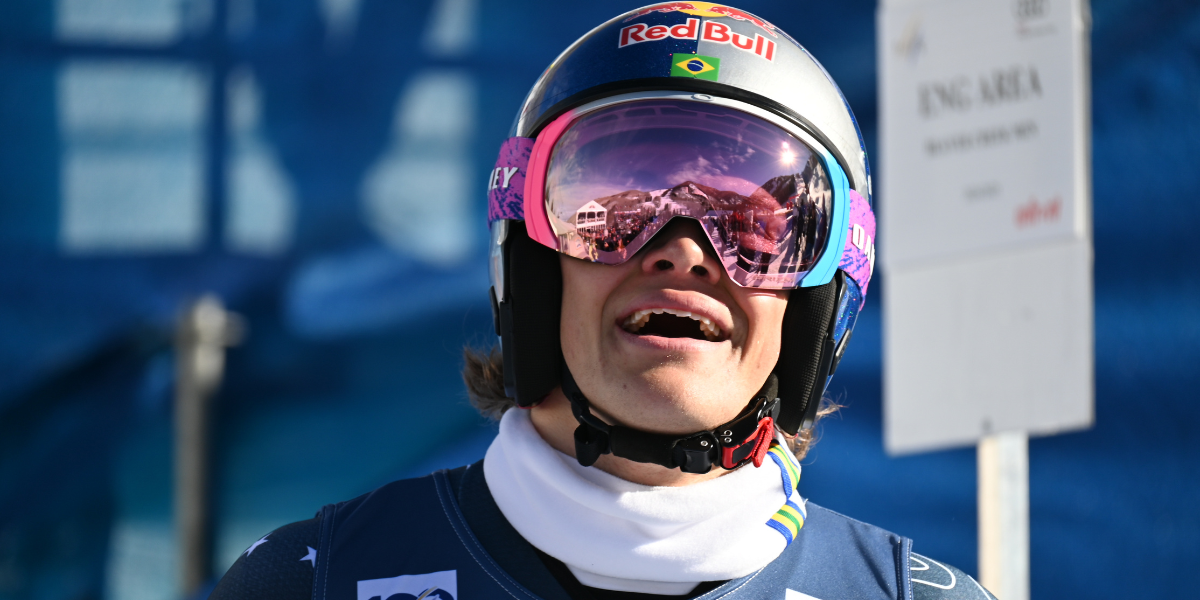
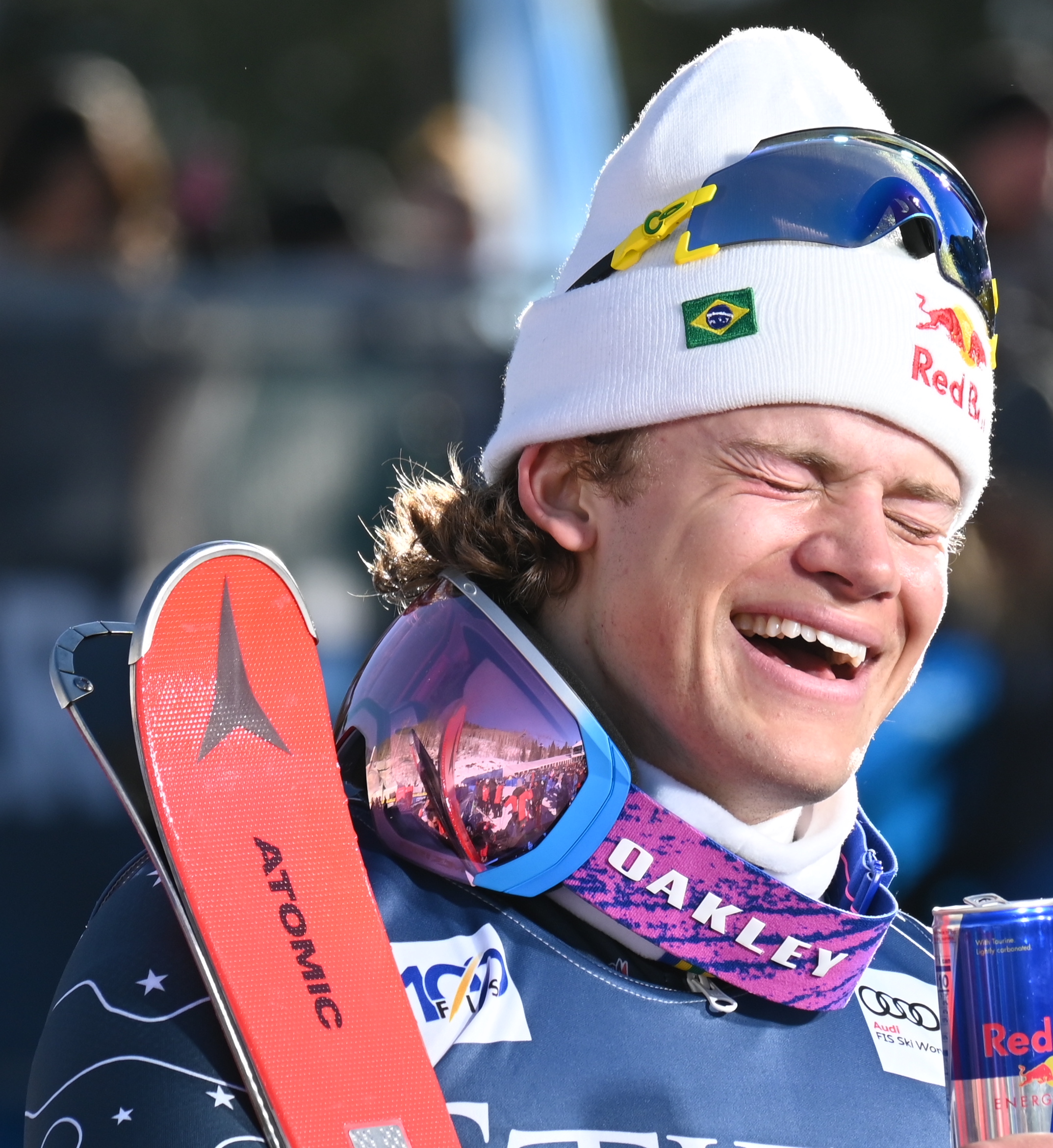
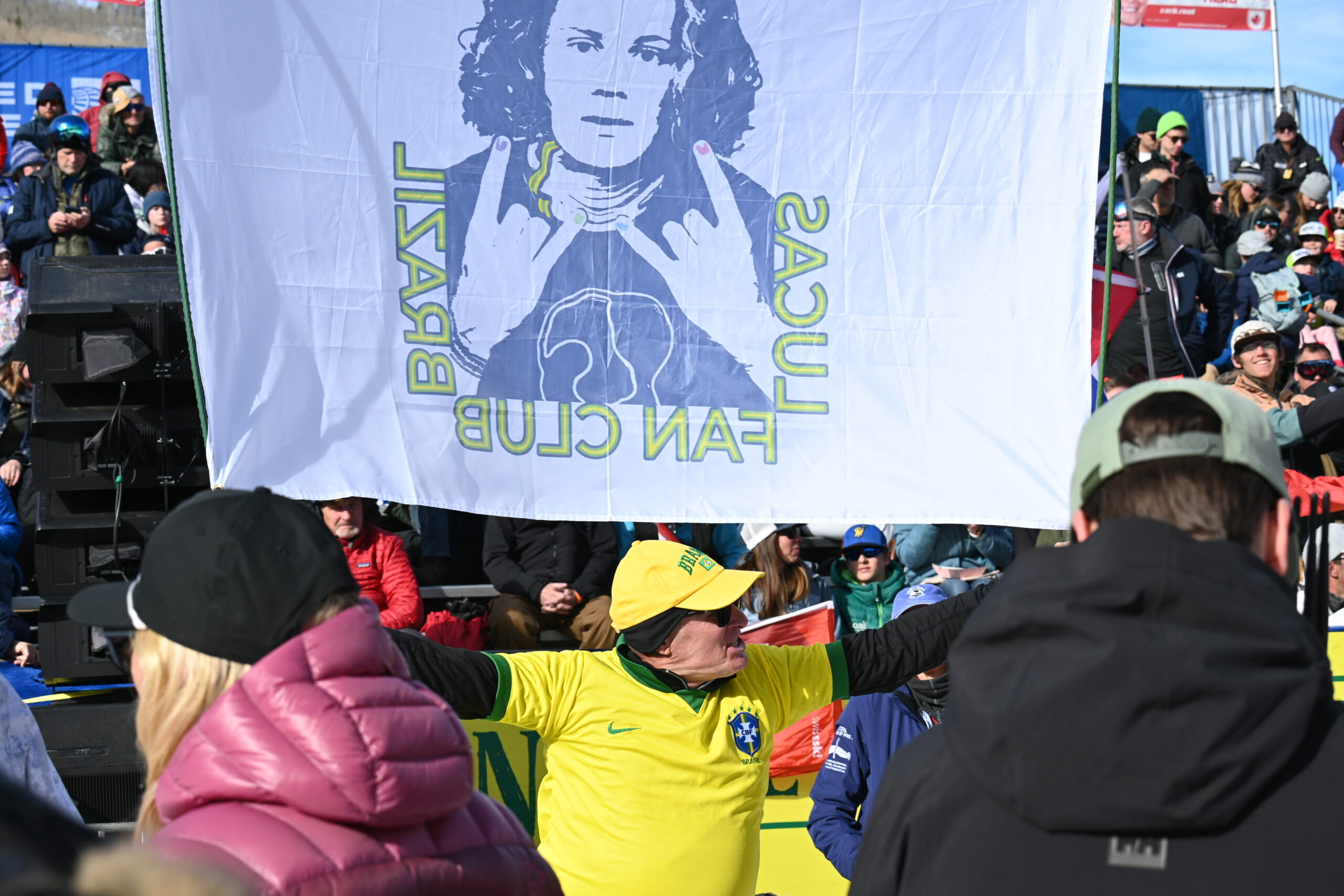
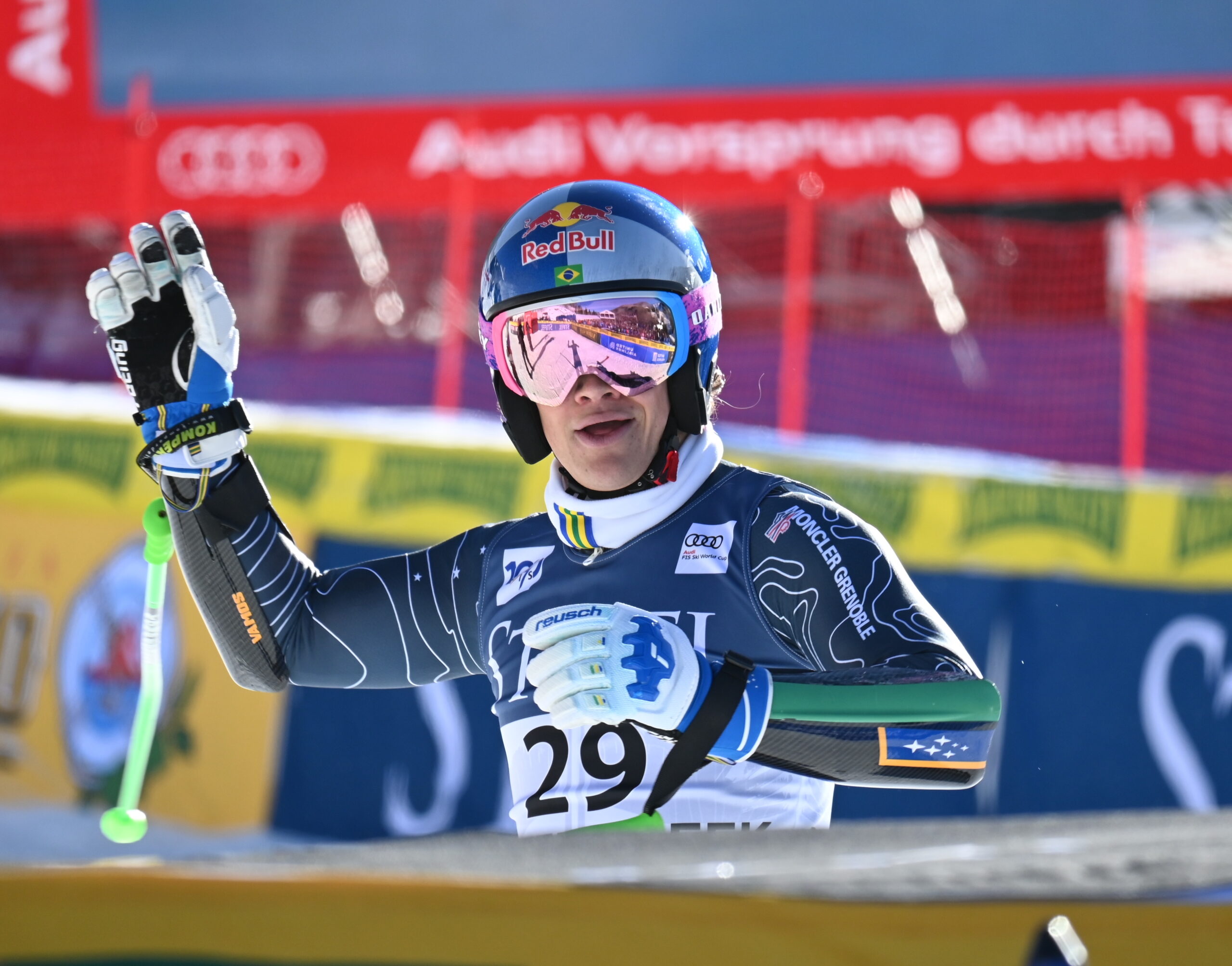
The 24-year-old fired back to the circuit with a fourth place in this season’s opener in Sölden, another fourth (0.10 seconds off the podium) in the Levi slalom and a very close second place (0.12 seconds from the win) in the Beaver Creek GS. In celebration of Brazil’s first ever World Cup alpine skiing podium, Pinheiro Braathen performed a samba during the Beaver Creek award ceremony, wearing newly purchased cowboy boots over his speed suit.
“I came onto the circuit because I was inspired by people who transcended their industry, whether art, tech, or sports and always wanted to be like them, to pave my way in hopes I could inspire others to follow their own paths. I think bringing the Brazilian flag into a winter World Cup podium is a representation of that,” he said after the Beaver Creek race. “It’s safe to say I’m beyond proud of that achievement.”
The Brazilian-Norwegian said that choosing to compete for a country that has no history of alpine skiing success rather than that of his birth nation – one of the world’s most potent winter sports teams – has not been without its challenges.
“I’ll always continue to go my own path, but it sure ain’t easy,” he said. “You’re dealing with a lot of potential judgment and people thinking you’re an idiot everywhere you go. At the end of the day, I hope achievements like this can help prove that to be extraordinary, you need to dare to be who you are.”

A happier place
Pinheiro Braathen’s former teammate and childhood friend, Atle Lie McGrath, described Pinheiro Braathen’s absence from the Norwegian team as “a transition.”
“I’m super excited for him. He really deserves it,” McGrath said of his former teammate’s success at Beaver Creek. “I’m happy for him, happy that he’s back, happy that he’s happy. Our friendship stays strong no matter what.”
As for his year off the World Cup, Pinheiro Braathen said that FOMO (fear of missing out) kicked in “big time.” However, he believes the time away put him in a much better place mentally and emotionally.
“Taking such a huge leap of faith in my life, just leaving it all behind in order to follow what’s right in my heart, I really left the biggest love of my life behind – ski racing,” he said. “It became harder and harder with every race that went by, not being part of the show. I’d say the main takeaway is leaving something you love behind in order to come back to it makes you return with a new and different perspective and a healthier one, in my case. I’m really appreciative of that.”
About the Author: Shauna Farnell