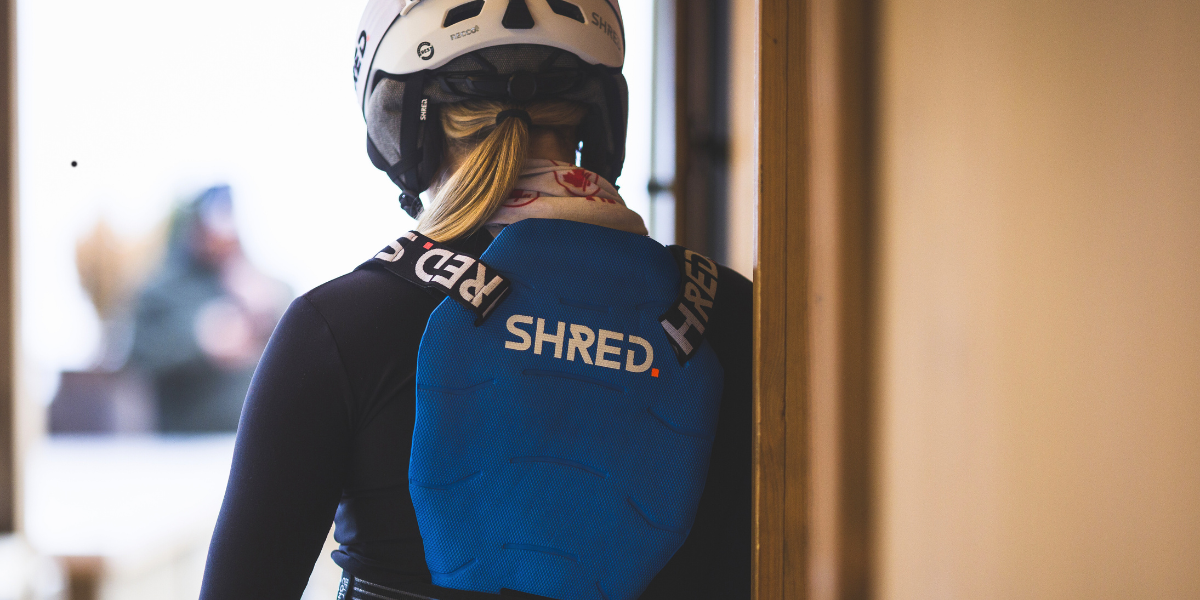
Featured Image: Shred Back Protectors. Credit: Sam Decout (@samdecout)
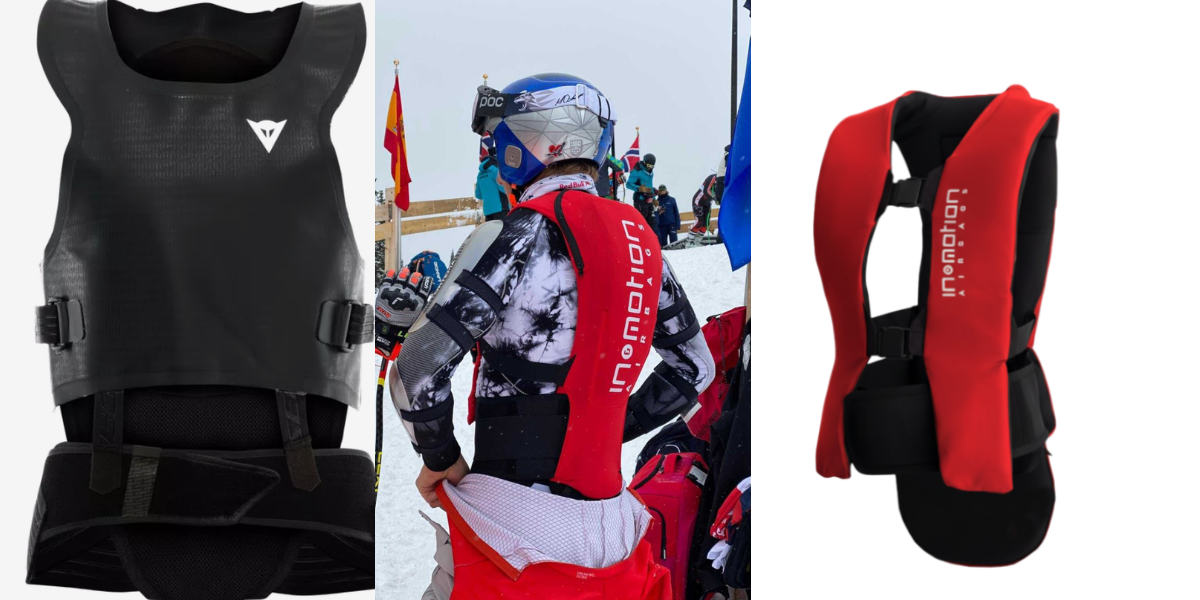
In sport, particularly high intensity sports, back protectors play a key role in reducing the chances of serious spinal injuries. They do this by absorbing the impact from falls, especially when speeds are high, spreading the force over a wider area and offering essential support to the spine.
This makes them a key item in the kit that every skier—whether a racer or not—and snow sports enthusiast should wear.
Simply put, the spine is a critical part of your body. It gives your body support, structure, the ability to move freely, flexibility, and protects the spinal cord. Damage to the spinal cord can be just as life-altering as a brain injury, potentially taking away the ability to move entirely.
While most of us wear helmets to protect our heads, it’s just as critical to wear back protectors to safeguard something equally vital.
In 2006, SHRED. became the first brand to launch soft protection when rigid, hard plastic turtle-shell designs dominated the market. Since then, SHRED. has taken the lead in innovating back protectors, enhancing both safety and performance.
While it’s understandable that few were willing to compromise their freedom of movement with rigid turtle-shell protectors or stiff solutions in the past, advancements in technology have changed the game.
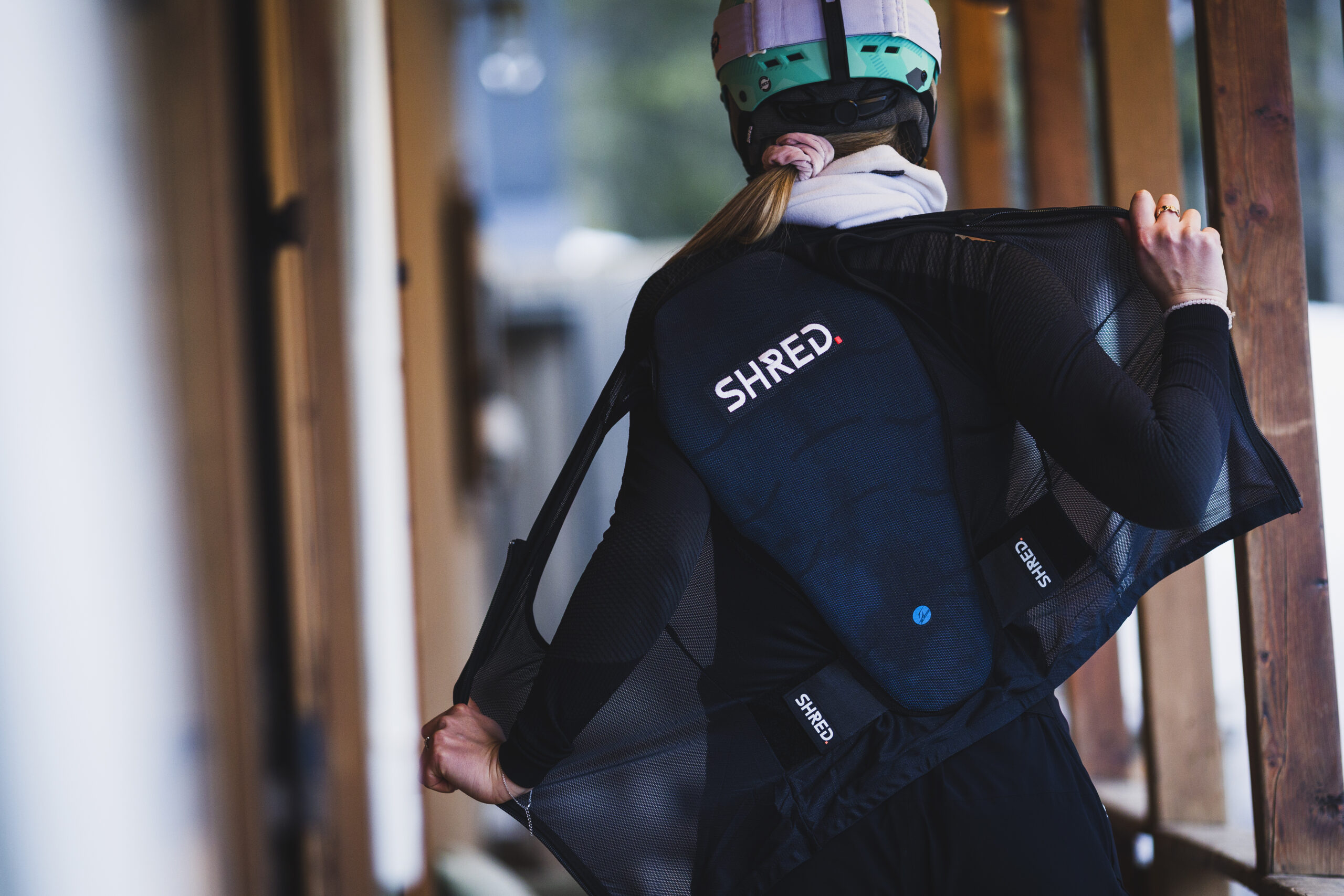
Today’s back protectors are lightweight, flexible, and so comfortable that they feel like a second skin. With innovations like SHRED.’s own material technology, wearing a back protector is now as much of a no-brainer as putting on a helmet before hitting the slopes.
Numerous clubs and academies are now requiring athletes to wear back protectors, and the FIS is working towards establishing regulations for their use.
SHRED. commits to continuous innovation and delivers exceptional protection while ensuring athletes can maintain unrestricted movement across a range of disciplines.
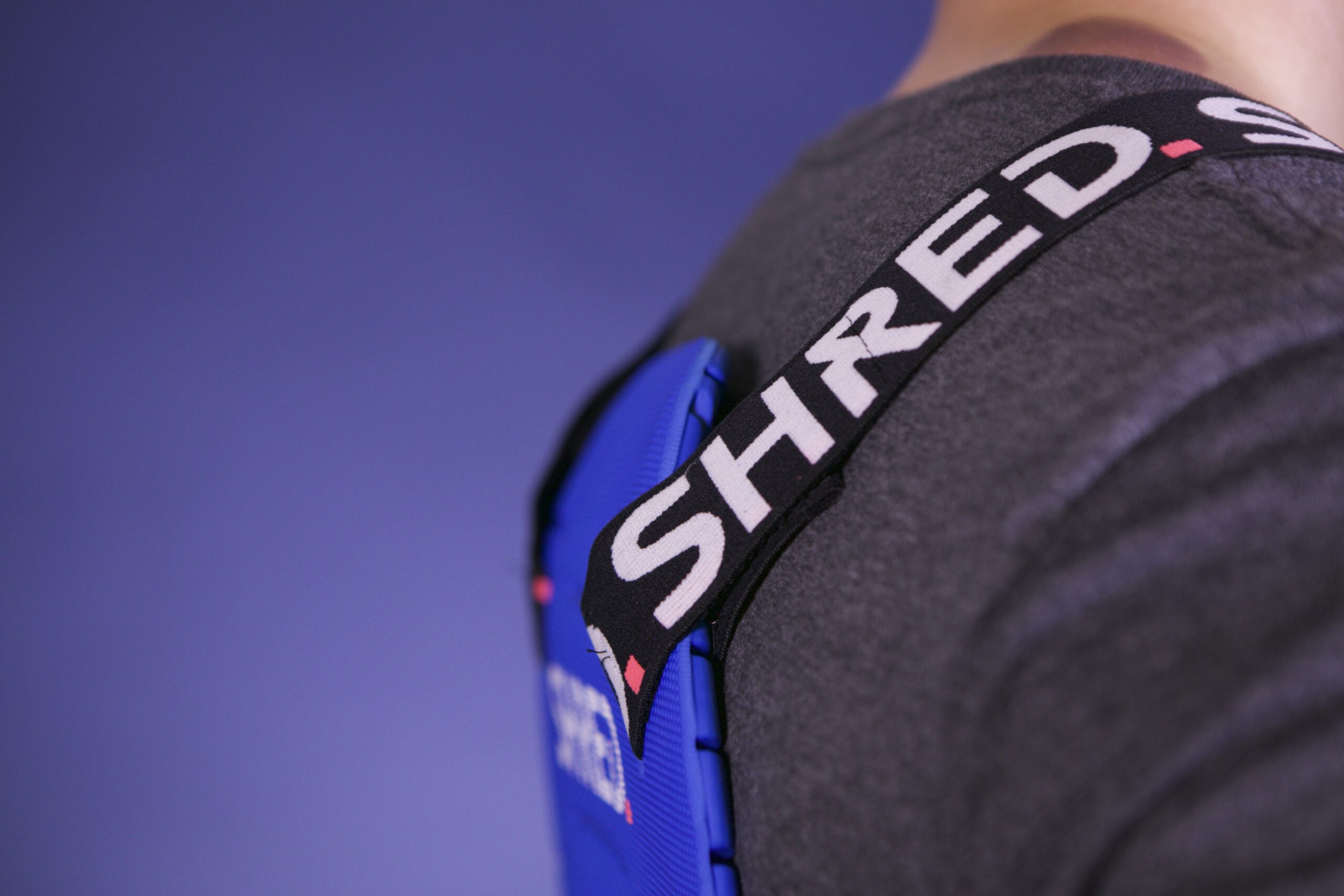
SHRED. Encouraging More Use of Back Protectors
SHRED. Is keen on elevating the use of back protectors amongst all ages, events, geography and level. The widespread availability of back protectors ensures a more convenient means of safeguarding vital areas of your body against impact.
Ted Ligety, Co-Founder & Chief Brand Officer at SHRED., firmly believes, “Everyone should wear them at all times on the slopes.”
Carlo Salmini, Co-Founder & CEO at SHRED. stated, “In my conversations with skiers—from end consumers to retailers across the US—I often heard comments like, ‘We’re from the Midwest and we only ski GS and SL, we don’t need back protectors.’ But the truth is, back protection isn’t just for speed events or big mountains; it’s for everyone.”
The SHRED. crew continues to focus on making back protectors lighter, slimmer, and more comfortable, aiming to make them super easy to wear: “We want it to be a no-brainer to wear one!”
Salmini further explained, “Whether you’re skiing slalom, freeskiing in the Midwest, or just cruising with friends, the risks are real. Modern skis can amplify the impact of catching an edge, creating a spring effect that can launch you unexpectedly. Snow coverage is often thin, with rocks and trees closer than they appear. And with overly crowded slopes and icy conditions, the need for protection becomes undeniable.
A back protector isn’t just about safety; it’s about skiing with confidence, knowing you’re covered no matter what terrain—or surprises—the day brings.”
Protecting Children
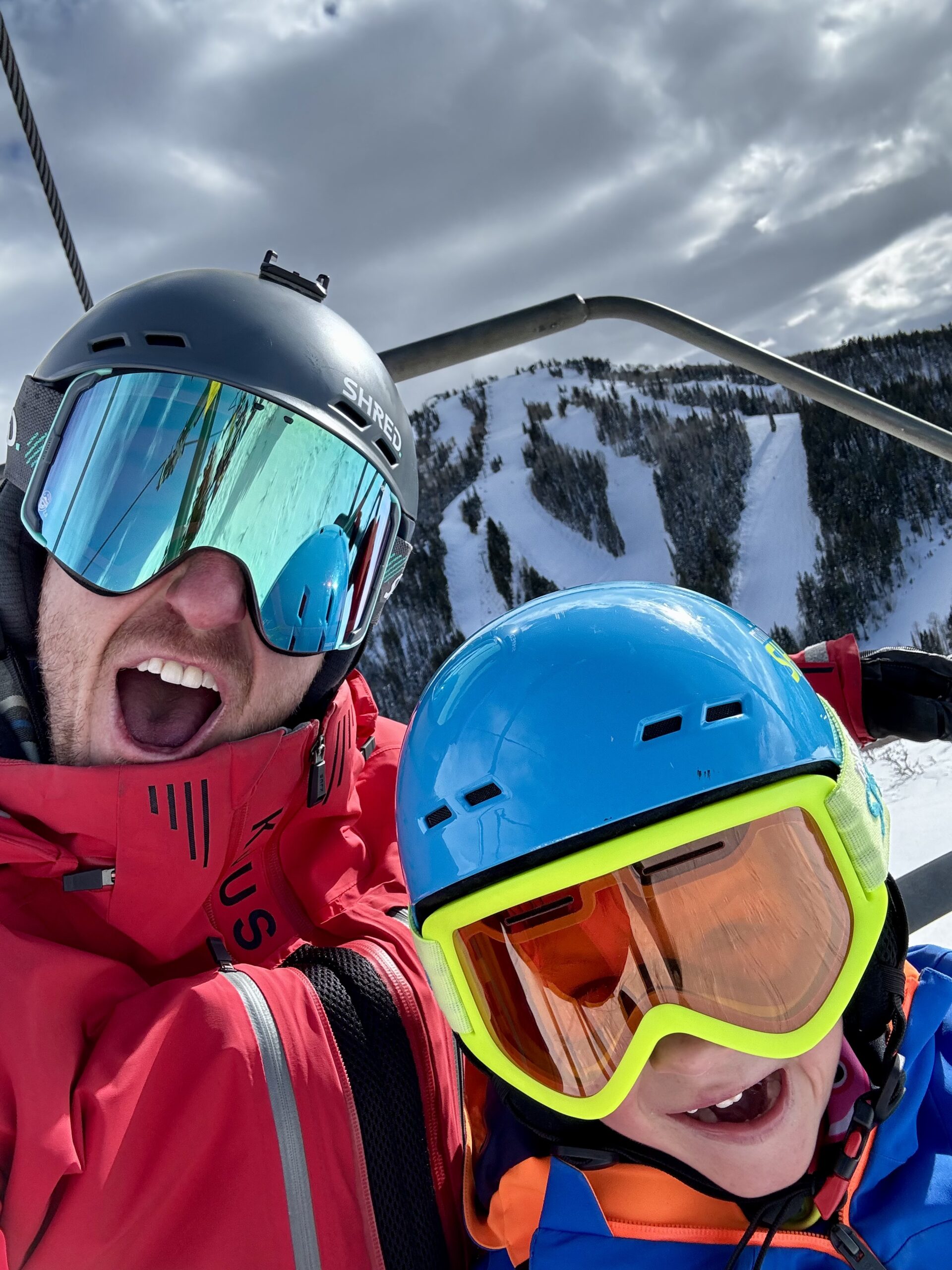
The company is encouraging young children to be in them and have created smaller back protectors to fit youth bodies. With crowds growing at resorts worldwide and variable conditions, it is even more important to stay protected.
Ligety, a father of three, articulates the importance of equipping his children with back protectors: “With a 7-year-old and twin 4-year-olds who love to ski, safety on the slopes is always top of mind for me. A helmet is non-negotiable, but I also never let them head out without a back protector.
Here’s why: kids think back protectors are cool. My boys feel like superheroes wearing them, testing their gear by bumping into each other and having a blast. And with SHRED.’s back protectors, they’re so lightweight and flexible that my kids forget they’re even wearing them.
As a parent, I can’t ignore how crowded the slopes get or the risks of someone losing control and sweeping them out. Knowing they have protection that hardens on impact to absorb energy gives me peace of mind while they’re having the time of their lives.
Back protectors are more than just safety gear—they’re something kids actually love wearing. And that’s a game-changer for any family heading to the slopes.”
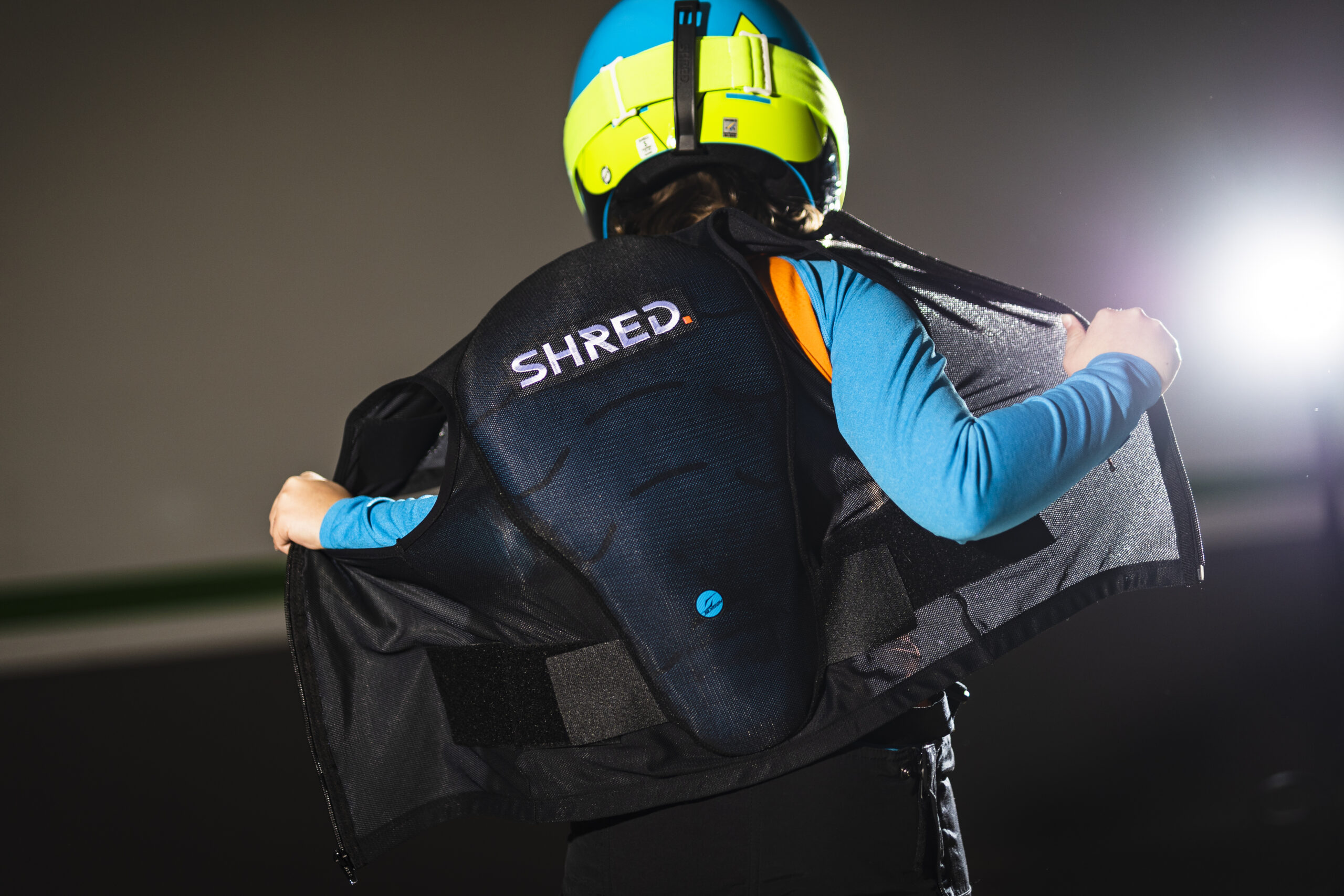
SHRED. Innovative Back Protector
SHRED. has committed itself to innovating and manufacturing back protectors since before the development of their initial prototype in 2006.
The original Slytech used their own ‘2nd skin’ foam technology, which positively disrupted the industry.
Before the development of this new model, manufacturers constructed the sole back protector from hard plastic, resembling a turtle shell in design. These plastic protectors were often uncomfortable, and their rigid nature did not provide impact absorption as effectively as the newer generation of engineered foam rubber materials.
Researchers at the Massachusetts Institute of Technology (MIT) assisted Carlo Salmini, Co-Founder of SHRED. with the development of the second generation of their back protector foam technology in 2011 while he was a masters degree student there.
The team collaborated with international specialists in foam technology, leading to significant enhancements in shock absorbing rubber foams. Once the team perfected the formula for the foam, they continued to refine its formulation and the designs of the back protector’s shape to ensure optimal compatibility with ergonomics, comfort, and functionality.
Salmini expresses that innovation continues. He stated, “A few years ago, while surveying our athletes, we discovered that the biggest hurdle to the widespread adoption of back protectors wasn’t their level of protection—it was their comfort. They were simply screaming, ‘Make it more comfy!’ Taking this to heart, we developed the ‘Flexi,’ a breakthrough in comfort and flexibility that has since become our bestseller.”
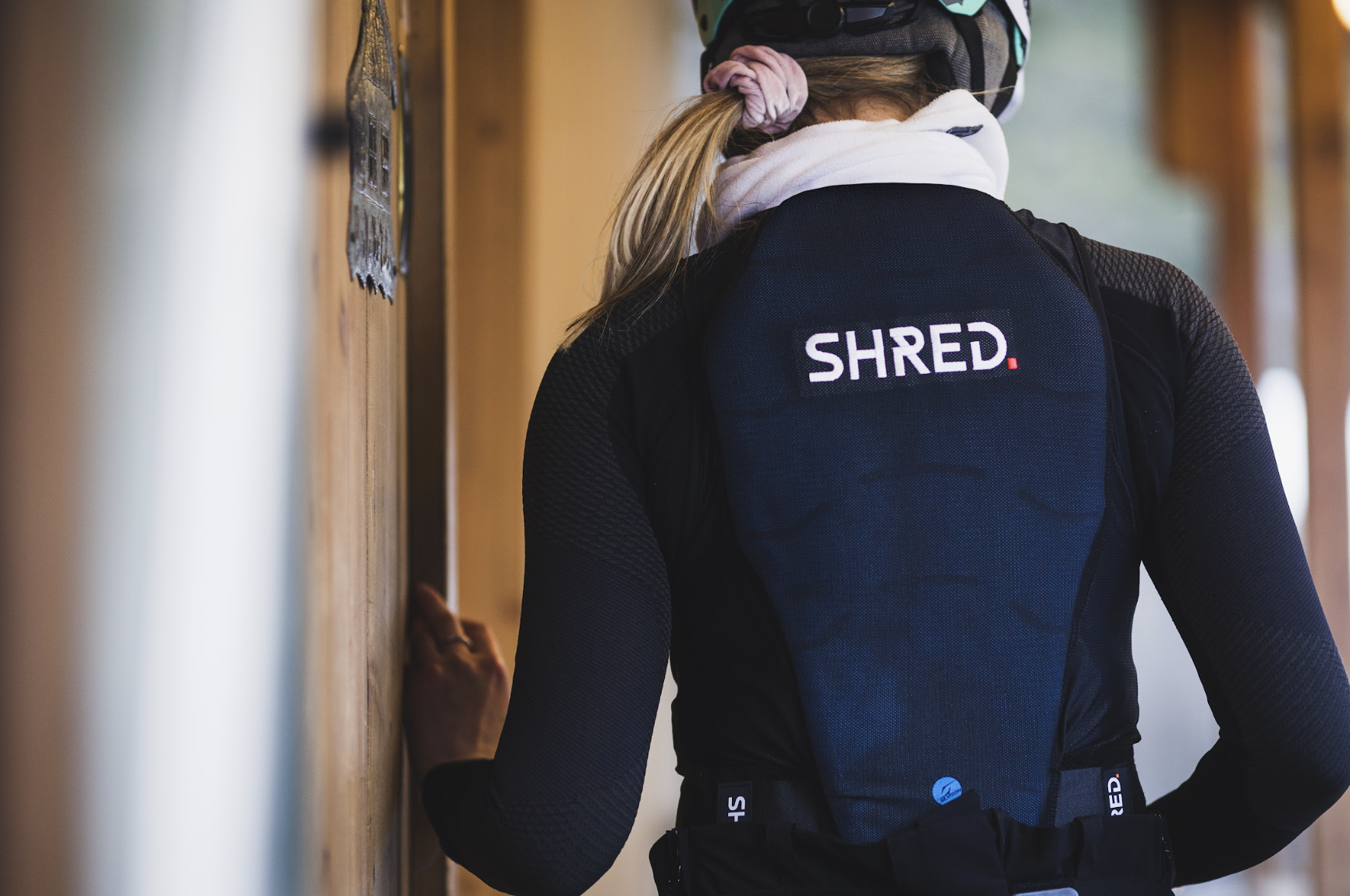
Expanding the Potential to Mandate Back Protectors
SHRED. advocates for making mandates in all FIS and NSA-sanctioned events across different age groups and competitions globally.
The significance of back protectors has increased as they become more accessible and as our understanding of their essential benefits has expanded.
Back protectors are certified under EN 1621-2, the only official standard that certifies back protection for sports and motor sports. Within this certification, there are two levels:
- Level 1 is the minimum standard, offering excellent impact protection while prioritizing comfort and flexibility. It’s perfect for slalom racing and for skiers and snowboarders of all levels, whether on the racecourse or simply enjoying the slopes.
- Level 2 provides superior impact absorption for higher-speed and higher-risk scenarios, making it the recommended choice for FIS-level athletes competing in GS and speed events.
Whatever your discipline or experience, a back protector certified to EN 1621-2 ensures safety and confidence on the mountain.
Moreover, various snowsports, like Freeride skiing, are now requiring them, and many youth ski racing programs, including specific academies and clubs, are also making them a necessity.
In ski racing, The International Ski and Snowboard Federation (FIS) has not made back protectors mandatory. It states in the Specifications for Alpine Competition Equipment that “It remains in the athlete’s/NSA’s discretion and responsibility to individually decide about the use of protectors.”
However, in November, the FIS Council declared that the use of airbags will be mandatory for all athletes participating in Alpine speed events at the World Cup level during this season.
The FIS created the Athlete Health Unit in 2023, and FIS Secretary General Michel Vion highlights that airbags represent only one component of a broader safety strategy aimed at minimizing injuries. Thereby, the requirement for back protectors remains a subject of potential consideration in the near future.
Shop Back Protectors
About the Author: Ellie Hartman