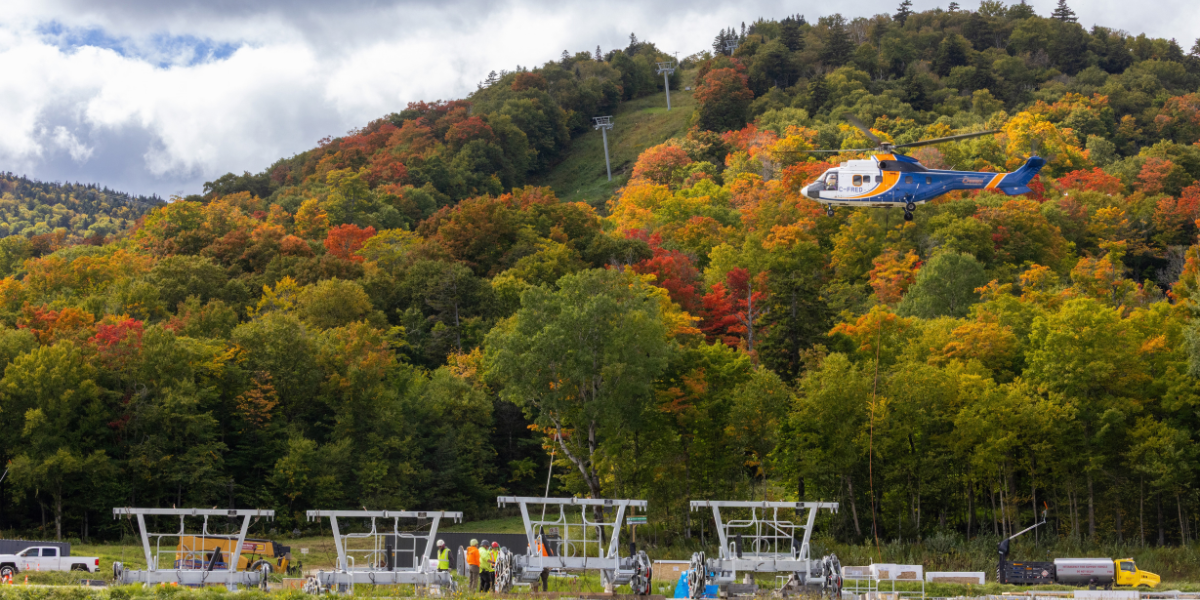
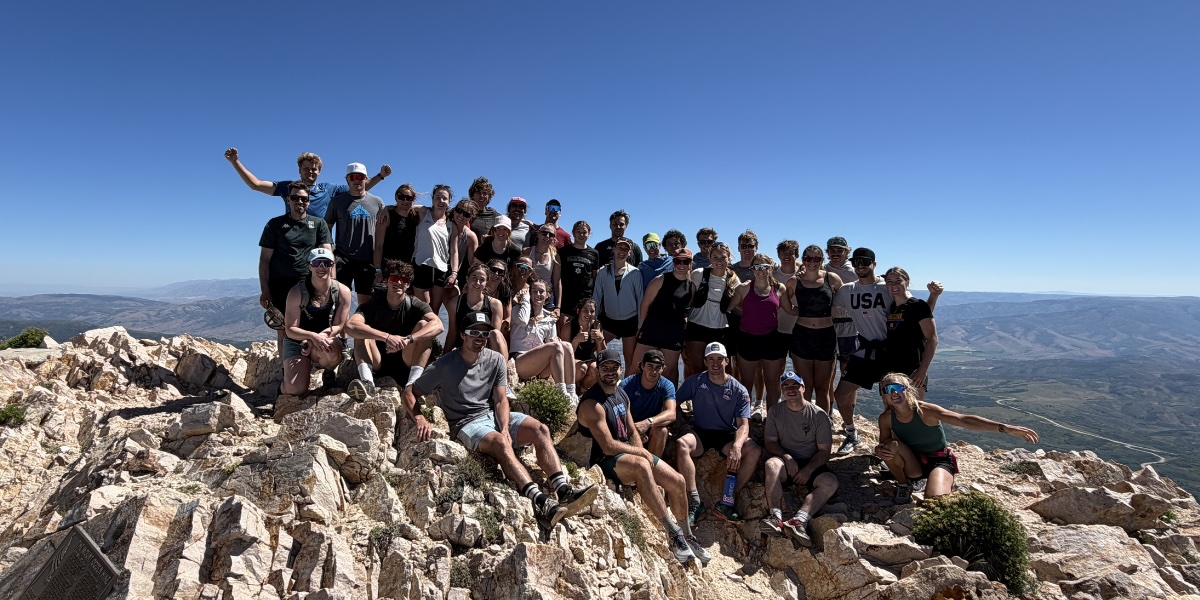
Top of Snowbasin / Photo U.S. Ski & Snowboard
A new Olympic cycle, a new approach: Inside the Stifel U.S. Ski Team’s effort to build a stronger culture.
PARK CITY, Utah — The first challenge wasn’t a beep test, a weighted squat or a sprint up the stairs.
It was learning the names of teammates they rarely saw.
For one week in June, the Stifel U.S. Ski Team abandoned many of the routines that have long defined its offseason. Instead of separating athletes by gender, discipline or experience, coaches intentionally mixed everyone together. World Cup veterans shared teams with rookies. Technical specialists teamed up with speed racers. Men and women spent the week working toward common goals rather than following separate schedules.
By the end of the week, paintball bruises, exhausted legs and plenty of laughs had replaced many of the barriers that naturally form over a long World Cup season.
That wasn’t an accident.
“This may be the first full men’s and women’s conditioning camp we’ve had in a really long time,” said Foreste Peterson, the Stifel U.S. Ski Team’s Athletic Development Coordinator. “We wanted to put a huge emphasis on team integration, team connection, camaraderie and cohesion.”
The camp represented more than another week of offseason training. It also marked the beginning of a new Olympic cycle following the Milano Cortina Winter Games and reflected a deliberate shift in how the alpine program wants to prepare for the next four years.
By the time it ended, every athlete Ski Racing Media interviewed pointed to the same takeaway: The biggest gains weren’t measured in the weight room. They were measured in the relationships built across the team.

More than a conditioning camp
The schedule was demanding.
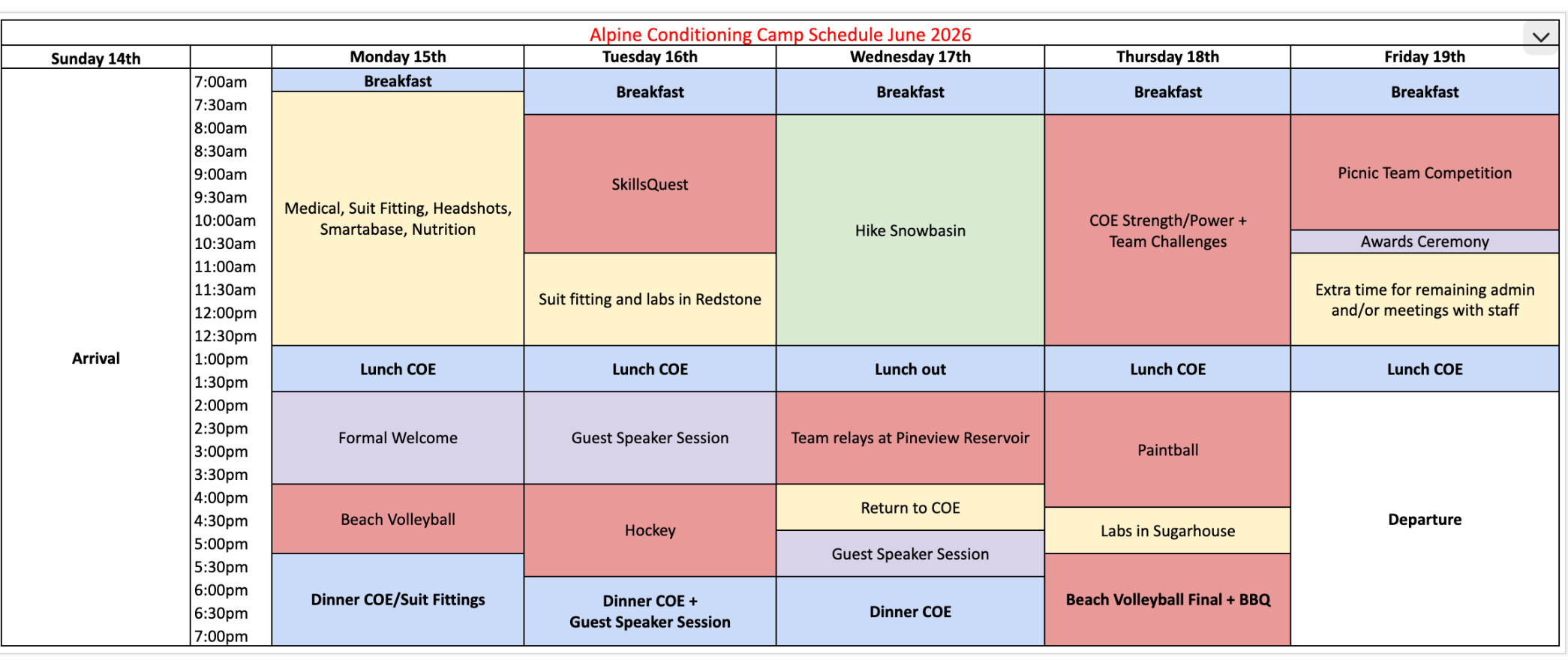
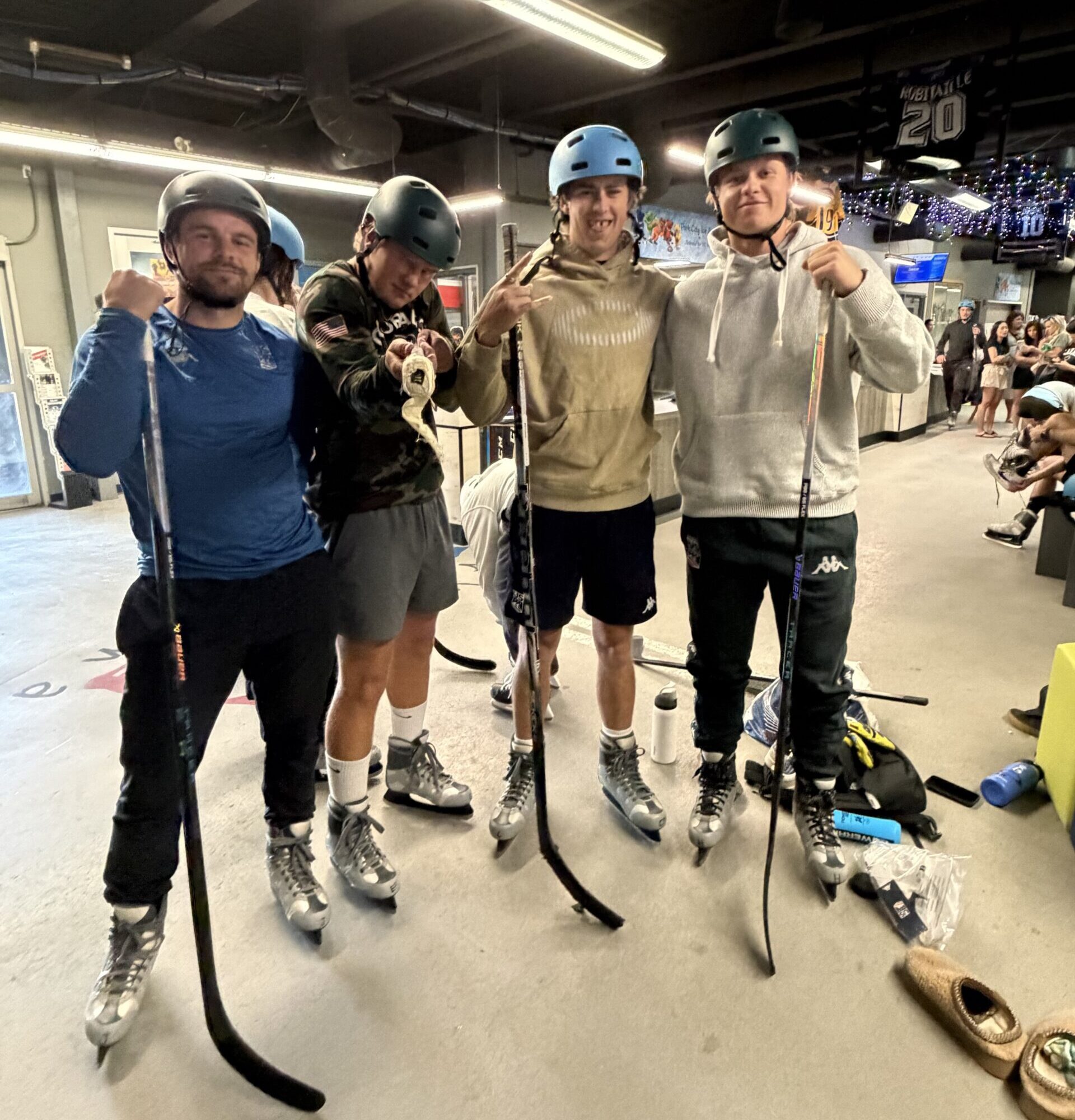
SkillsQuest testing gave way to hockey, beach volleyball, reservoir relays, a hike at Snowbasin, paintball and one final workout appropriately nicknamed “The Picnic.” Guest speakers also led sessions on breathing techniques, nervous-system regulation and performance.
Almost every activity served two purposes.
Yes, athletes were getting stronger.
More importantly, they were getting to know teammates they might otherwise see only in passing throughout the competition season.
Peterson and the athletic staff intentionally built mixed teams of five to seven athletes. Every challenge used World Cup-style scoring, creating a running competition that lasted from the opening SkillsQuest test until Friday’s awards ceremony, which included prize money.
“We told them the main themes were competition, connection and education,” Peterson said. “The whole week was built on team competition.”
The format immediately changed the atmosphere.
“It was so great to have the men and women together,” said Mary Bocock, who balanced the camp between spring and summer terms at Dartmouth College after making her first Olympic team and qualifying for her first World Cup Finals in super-G last season. “Our strength and conditioning coaches did such a great job organizing the events and having a wide variety of activities that played to different people’s strengths.”
The competition quickly became about something larger than individual results.
“The team aspect was super helpful because you wanted to win for your team,” Bocock said.
That was a recurring theme throughout every interview. Nobody described the week by talking first about scores, prizes or even workouts. Instead, they talked about spending meaningful time with teammates they rarely get to know once the winter schedule scatters the team across Europe and North America.
Learning from success
The women entered the camp carrying more than the recent World Cup success and the Nations Cup.
They also brought a team culture that leadership openly pointed to as an example.
For River Radamus, the 28-year-old veteran and the highest-ranked American giant slalom skier after finishing 10th in last season’s World Cup standings, that lesson resonated.
“I think something that was on the men’s minds was seeing the stellar performances that the women have put together over the last couple of years and the way they’ve built not only their team performance but also their team culture,” Radamus said. “We want to be there with them.”
The men’s and women’s programs spend much of the season traveling different schedules, often training in different places while pursuing separate goals. This week deliberately erased many of those boundaries.
“There was a lot of camaraderie and a lot of competition,” Radamus said. “I think you need equal parts.”
One of the week’s defining moments wasn’t even part of the competition.
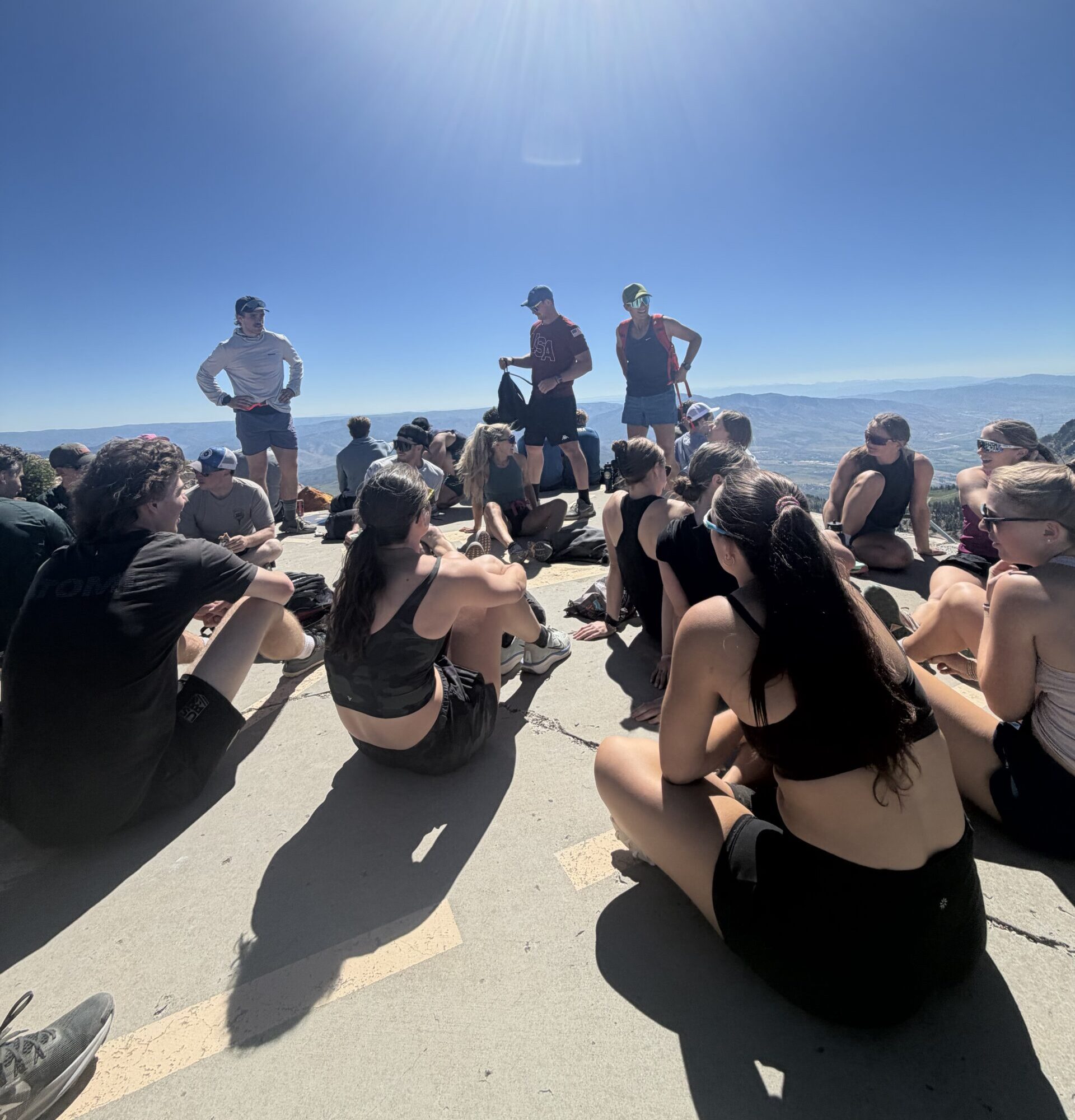
The hike at Snowbasin allowed athletes to naturally settle into different groups, conversations drifted far beyond ski racing, and teammates who had known each other only in passing suddenly spent hours together.
“It was just a really organic way to get to know each other better,” Peterson said.
Bocock noticed the difference almost immediately.
“Even after one or two days of having the genders together, we were already more cohesive,” she said.
Fitness still matters
None of that meant the week lacked intensity.
It began with SkillsQuest, the physical assessment used throughout U.S. skiing to evaluate aerobic fitness, strength, speed, power and muscular endurance.
Despite years of experience, Peterson said even elite World Cup athletes still arrive with testing anxiety.
“They’re not the biggest fans of going into a test like SkillsQuest because it’s taxing,” she said.
Instead, Peterson views it as an assessment that highlights strengths and weaknesses while providing a benchmark clubs across the country can also use because it requires relatively little equipment.
“If I were coaching a U16 group,” she said, “ “I’d use it as an assessment tool.”
Radamus agrees, although his own experience offers perspective.
When he first entered the national team pipeline, he remembers posting some of the weakest fitness scores in the group.
“I was probably setting record lows across the board,” Radamus said with a laugh.
That experience shaped how he now views the test.
“I don’t think it’s the end-all, be-all,” he said. “There’s not 100 percent correlation and there’s not no correlation. It’s important to strive for as good numbers as you can get because it makes the rest of the skiing easier.”
His biggest improvements didn’t come from revolutionary technology or secret training methods.
“There are no shortcuts,” Radamus said. “Good old-fashioned hard work is where I’ve found the most progress.”

Photo: Matan Coll // U.S. Ski Team @matancoll // @usskiteam
@matancoll // @usskiteam
Shared suffering builds stronger teams
While SkillsQuest challenged athletes mentally, the week quickly shifted toward experiences few expected.
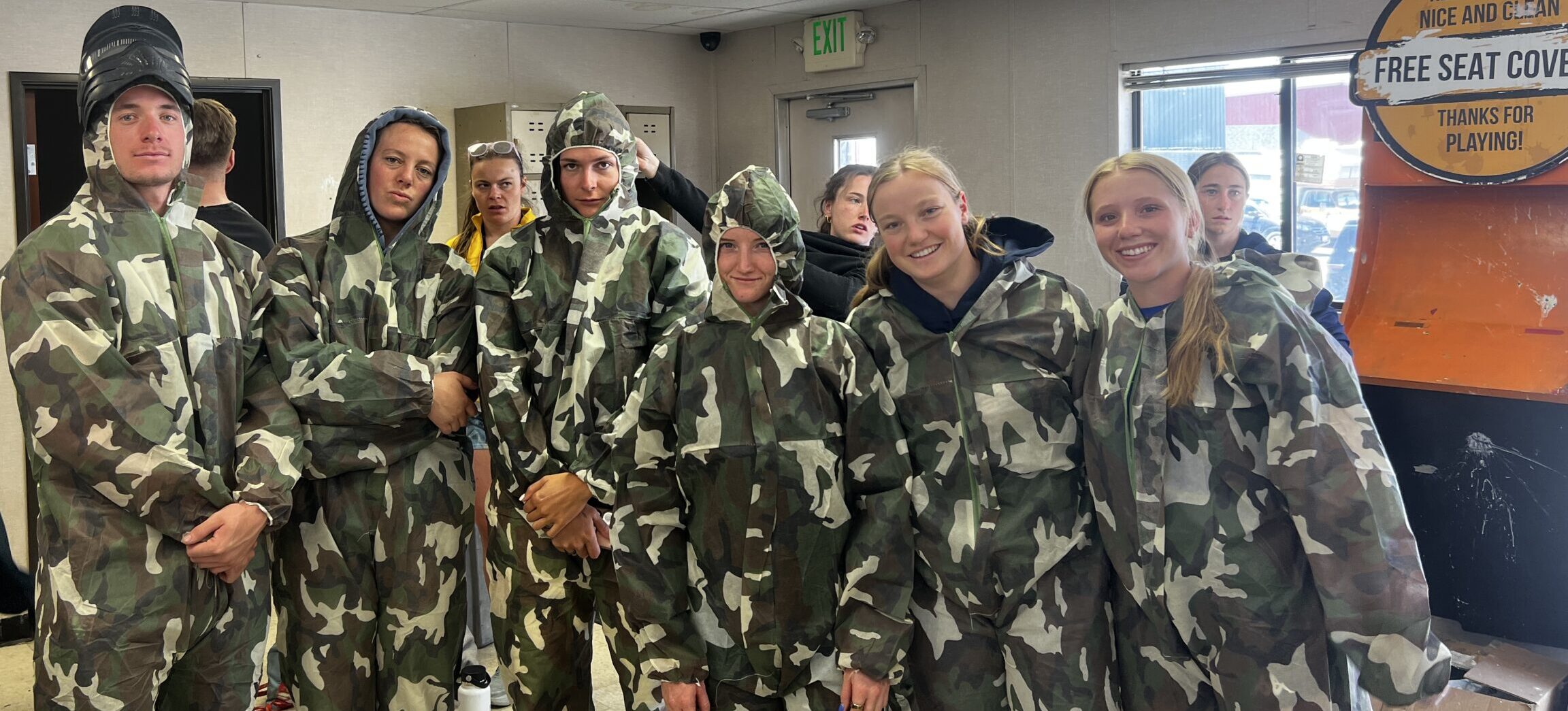
Paintball left more than a few bruises.
Beach volleyball sparked fierce rivalries.
Reservoir relays combined swimming, paddleboarding, carries and obstacle challenges.
The final workout—nicknamed “The Picnic”—turned into anything but a relaxing afternoon, combining repeated rounds of jumps, weighted squats, lunges, sprints and stair bounds that pushed nearly everyone to exhaustion.
“The Picnic was probably the most physically demanding,” Bocock said. “But in terms of teamwork, the reservoir relays brought everyone together.”
Peterson called the camp one of the most successful projects the staff has undertaken and expects it to become a regular part of the offseason, with refinements based on athlete feedback.
For Radamus, however, the greatest value wasn’t measured by points or prizes.
The World Cup will soon scatter teammates across continents once again.
The relationships built during one week in June may last much longer.
“My favorite saying is, ‘Misery shared is half a misery. Joy shared is double joy,’” Radamus said. “When I’m suffering, when I’m doing the hard stuff that I don’t like, if I’m doing it together with my friends or teammates, it makes it easier. Ski racing is an individual sport, but it’s also a team sport.”
The athletes arrived expecting a conditioning camp.
They left believing they had built a better team.
About the Author: Peter Lange