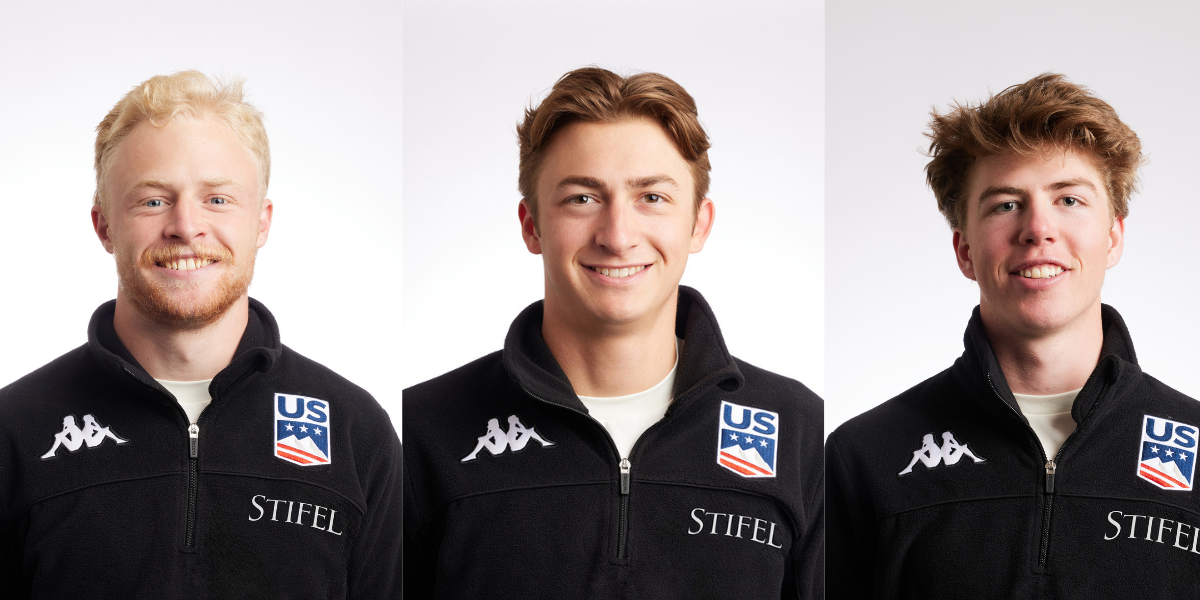
Seymour, Buzek and J Palmquist / Photos U.S. Ski & Snowboard
The Second Annual Rocky Mountain Division Roundtable provided rare access to the ideas, experiences, and coaching philosophies shaping American ski racing.
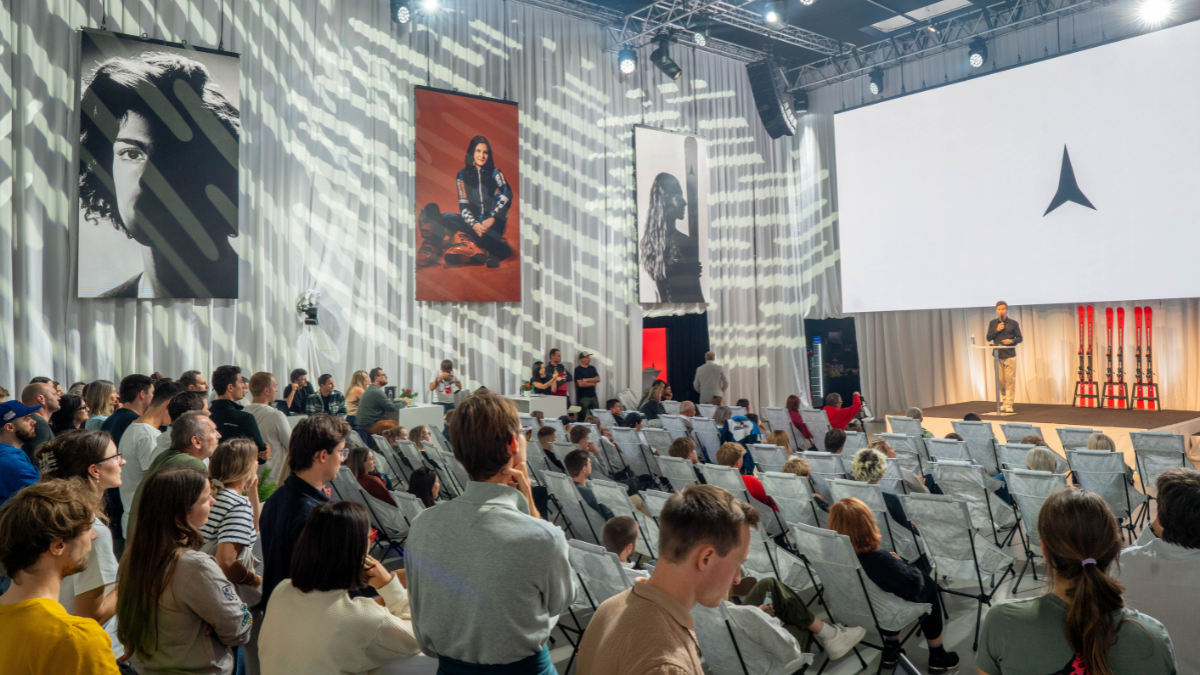
The future of American ski racing is often discussed on chairlifts, in team vans, and beside training lanes. On May 23 at Copper Mountain, Colorado, those conversations took center stage.
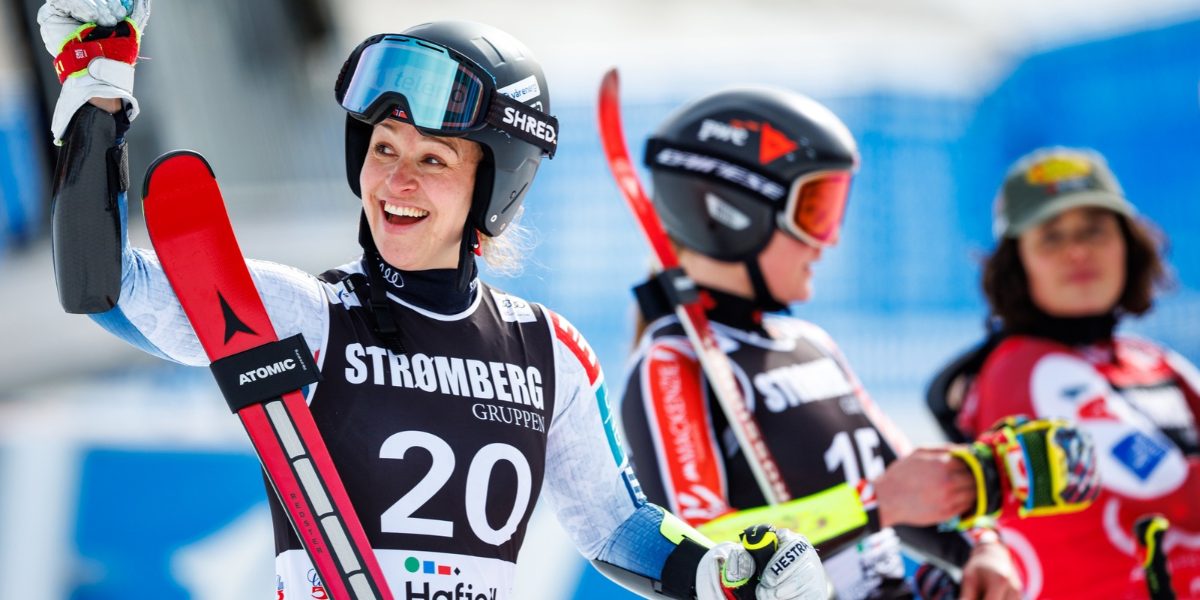
The Second Annual Rocky Mountain Division Roundtable brought together Stifel U.S. Ski Team men’s technical coaches Paul Epstein, Tristan Glasse-Davies, and Miha Verdnik, along with athletes Jett Seymour, Stanley Buzek, and Jevin Palmquist, for an afternoon of discussion focused on coaching, athlete development, and the pathway to the highest levels of the sport.
Organized by Rocky Mountain Division and Team Summit, the event provided a rare opportunity for coaches, athletes, and parents to hear directly from the people working with some of the fastest ski racers in the world. Special recognition goes to Rocky/Central Regional Development Director Darlene Nolting and Team Summit Alpine Director Aldo Radamus, whose efforts helped make the Roundtable possible.
The value of the event was not found in a single presentation or takeaway. Instead, it came from the opportunity to hear how elite coaches think, how elite athletes developed, and how those lessons can be applied throughout the U.S. ski racing system.
Why does this event matter?
Moreover, the Roundtable’s return for a second consecutive year reflects a growing appetite for direct communication between coaches working at different levels of the sport. Opportunities to exchange ideas between club programs, regional development systems, and World Cup staff remain relatively rare, making events like this especially valuable.
Nolting opened the discussion by emphasizing the importance of bringing coaches together. Her vision was simple: create stronger connections between the coaches developing young athletes and the coaches working on the World Cup stage. The goal was not to create uniformity, but to encourage a shared understanding of the sport and the language used to teach it.
That theme carried throughout the day.
What can coaches learn from the presentations?
Epstein’s presentation offered a detailed look into the technical concepts currently emphasized within the Stifel U.S. Ski Team men’s technical program. Coaches in attendance gained insight into how tactics and technique work together, including the concept of skiing into the “pocket” of the turn to create space, pressure, and energy before release.
Rather than focusing on isolated movements or individual drills, Epstein presented a framework for understanding modern technical skiing and turn development. For coaches working with developing athletes, it was a rare chance to see how current World Cup coaches organize and communicate complex technical concepts.
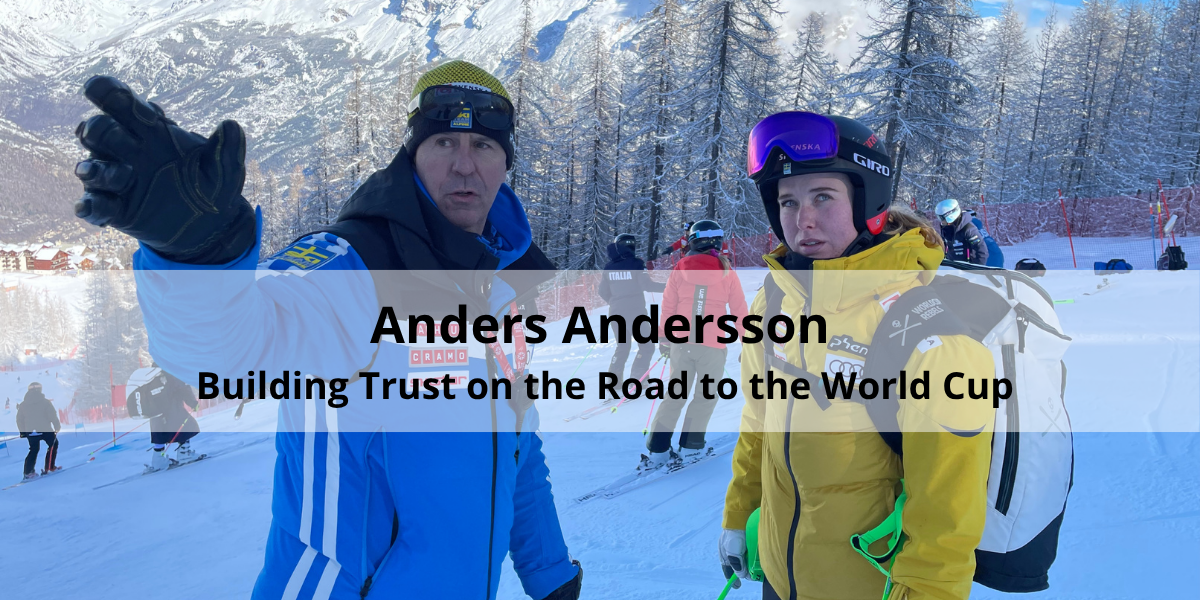
Glasse-Davies approached the sport from a broader development perspective. Drawing on years of experience guiding British slalom standout Dave Ryding from outside the world’s elite to a World Cup winner, he spoke about consistency, deliberate practice, curiosity, and the patience required to build success over time.
His message was clear: meaningful progress is rarely the result of shortcuts. Instead, long-term development depends on consistent work, thoughtful planning, and a willingness to continually learn and adapt.
Why was the athlete panel equally valuable?
While the coaches provided insight into current World Cup training and development philosophies, the athletes often provided the most relatable answers of the day.
At the same time, many questions from development coaches centered on challenges encountered long before athletes reach the World Cup. Each athlete progressed through the U.S. development pathway and could speak firsthand about setbacks, progress, training environments, and the realities of advancing in the sport.
As a result, their perspectives helped bridge the gap between junior racing and elite competition, giving coaches valuable context that can be difficult to find in presentations alone.
Worth the time
For those who could not attend, however, the recordings and presentation materials provide access to conversations that are rarely available outside national team environments.
Whether you are a coach searching for new ideas, an athlete pursuing the next step in your career, or a parent seeking a better understanding of the development process, the Roundtable offers valuable insight from coaches and athletes who are actively shaping the future of American ski racing.
Links to the Roundtable recordings and presentation materials are below.
Link to Paul Epstein’s Rocky Mountain Division Roundtable Presentation (PowerPoint)
Link to Roundtable Video
Passcode: %D2%qQ$g
Athlete Roundtable Discussion Begins at 2:29:24
About the Author: SR Staff Report