Switzerland Setting the Tone in Alpine Skiing
Bernhard Russi, the 1972 Olympic downhill champion, expressed his enduring love for the rivalry between Switzerland and Austria in alpine ski racing. “I think these fights with the Austrians are great, by the way – to this day. Although the skiers themselves don’t see it that way, the best friendships develop there,” he said during a 2022 interview with the author. Russi, still recognized on the streets of Switzerland, remains one of the nation’s most beloved personalities. His legendary rivalry with Austrian Franz Klammer during the 1976 Winter Olympics inspired the 2021 film Klammer – Chasing the Line by Andreas Schmied, which captivated Austrian audiences with a 32 percent market share during its public television debut.
Rivalry and the Role of Television
For decades, television has amplified the international rivalry between Austria and Switzerland in alpine ski racing. In both countries, alpine skiing continues to command massive live and broadcast audiences. Nowhere else does the sport achieve similar popularity. This high profile traces back to the 1948 Winter Olympics in St. Moritz, which established alpine skiing as a cultural cornerstone.
During the 1980s and 1990s, watching alpine races on television became a shared experience. Schools even paused lessons to tune in to iconic events like Kitzbühel. Swiss stars such as Michaela Figini, Vreni Schneider, Maria Walliser, Franz Heinzer, and Pirmin Zurbriggen dominated the sport during this era. Meanwhile, Austrians longed for a successor to Karl Schranz, the only Austrian male skier at that time to have won the Overall World Cup except for Marc Girardelli, who competed for Luxembourg. In women’s racing, athletes like Petra Kronberger, Ulrike Maier, and Anita Wachter delivered success in the early 1990s, helping Austria reclaim the Nations Cup in 1989/90. That victory began a three-decade stretch of dominance under ÖSV President Peter Schröcksnadel. Austria’s men’s team, led by stars such as Hermann Maier and Stephan Eberharter in the late 1990s and Marcel Hirscher in the 2010s, elevated the country’s alpine skiing prestige.
Switzerland’s Recent Resurgence
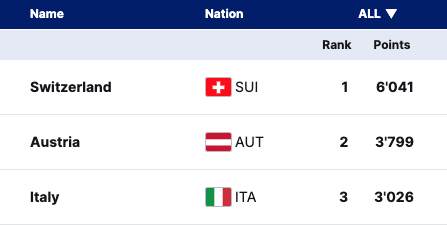
Switzerland has reclaimed its prominence in alpine ski racing over the past five years. The country has won the Nations Cup four times during this span. Marco Odermatt, born in 1997 in Nidwalden, has emerged as the sport’s most influential athlete. Despite challenging slope conditions, Odermatt celebrated his 41st World Cup victory in the Alta Badia giant slalom, surpassing Pirmin Zurbriggen’s record of 40 career wins. At 27, Zurbriggen retired with an impressive legacy, but Odermatt continues to redefine dominance. He currently leads the overall World Cup standings and all discipline rankings except slalom, making him a strong favorite for a fourth consecutive title.
Swiss successes extend beyond Odermatt. Veterans like Justin Murisier and Thomas Tumler continue to perform at a high level, while young talents such as Alexis Monney and Franjo von Allmen showcase the country’s bright future.
Swiss Women Shining Brightly
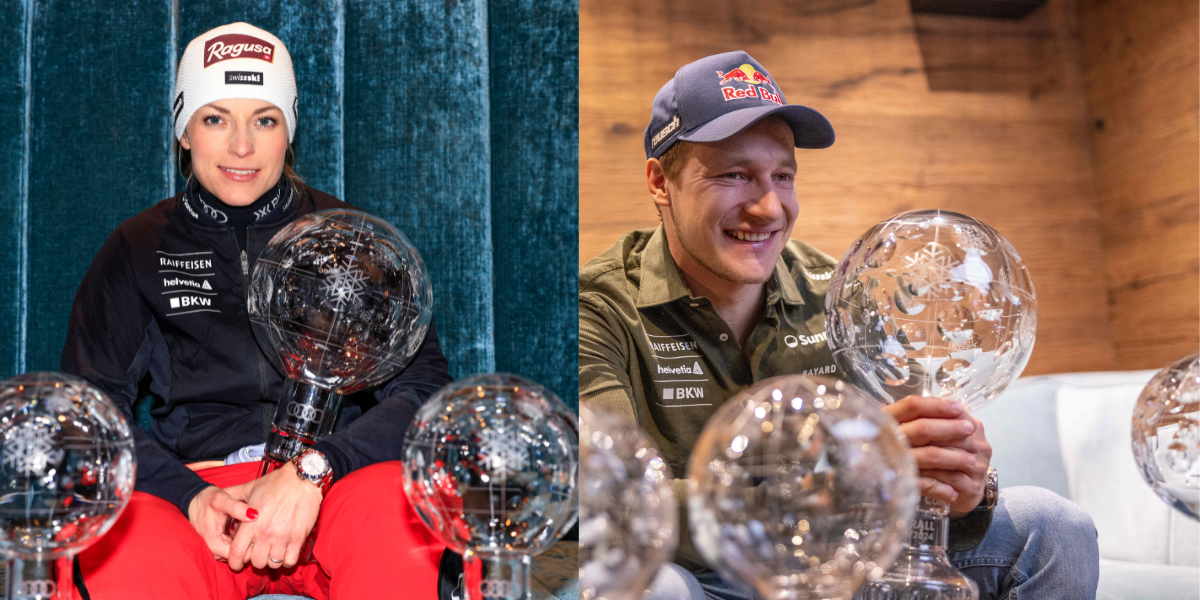
On the women’s side, Lara Gut-Behrami remains Switzerland’s most influential skier. Gut-Behrami established herself as a teenager and won her second Overall World Cup title last season. However, she maintains a reserved relationship with the media, contrasting her enthusiasm.
Current Naitons Cup standing 22.1.2025
About the Author: Christof Thöny