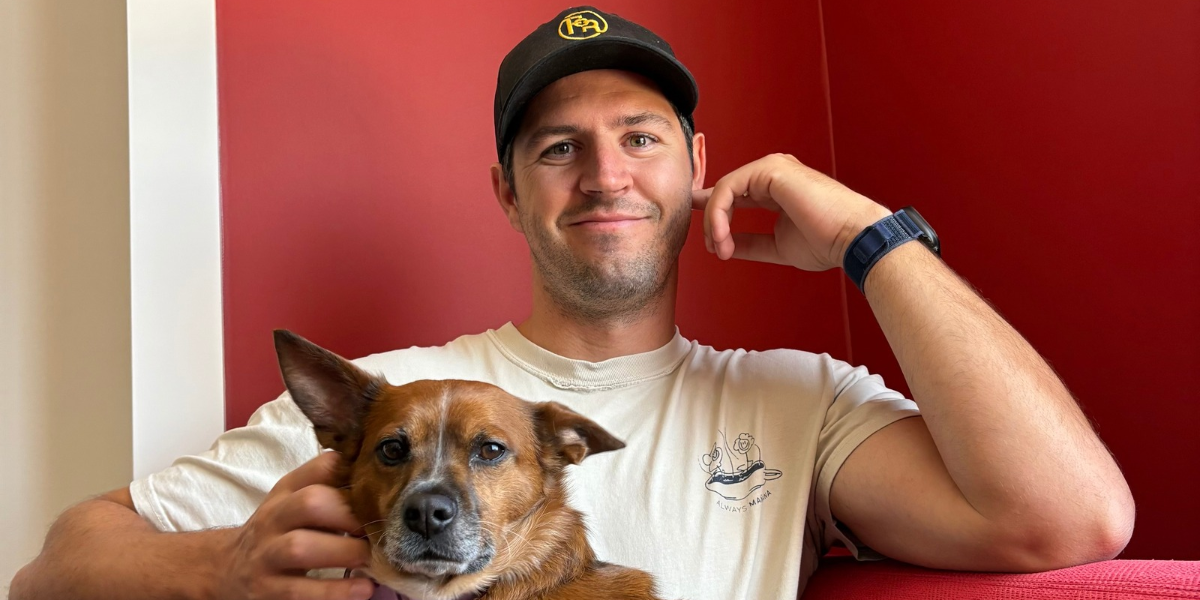
Cashman, Merryweather, Macuga, Mollin and Mangan ????: @mikedawsy // @usskiteam
In alpine racing, there have always been speed and technical groups. On the U.S. women’s team, there have historically been athletes hitting the NorAm circuit and those stepping up to the World Cup. This has presented a huge and sometimes terrifying leap.
Given the increasing crossover between speed and tech, as well as the gap for athletes seeking international race experience who aren’t yet ready to step up to the World Cup, a new women’s team has formed this year, focusing on giant slalom and Super G and competitors on both the Europa Cup and World Cup.
Led by coaches Marjan Cernigoj and Marty Harris, the team includes Allison Mollin, Tricia Mangan, Keely Cashman, Lauren Macuga, and, returning from three seasons off from racing, Alice Merryweather. All the athletes except 19-year-old Mollin will participate in the St. Moritz World Cup this weekend.
“I think this group has been a couple years in the making,” says Merryweather, whose last race was in Feb. 2020. “We’ve been wanting a group to float between the Europa Cup and World Cup speed. As I’m still coming back, having this group is a relief. I need to focus more on fundamentals. I haven’t skied for two years, and having an option that’s not just a speed environment is super beneficial.”
click on images to enlarge

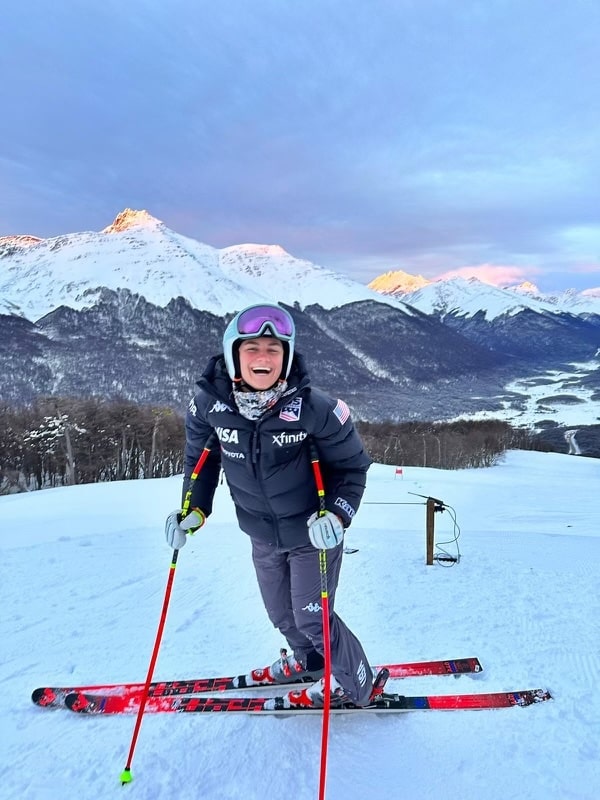
Smoothing transitions
Macuga, who juggled Europa Cup speed and World Cup races for the first time last season, recalls heading to Europa Cup races in Bosnia and having no coach or team. She and Cashman were on their own to race, travel and work through logistics.
“Last year, we managed going back and forth,” Macuga says. “I got to race and trust that it’s going to be alright. At the time, it was like, this is hard. Just going from NorAm to World Cup, you don’t know what’s going on. It worked out fine, but I’m super excited to have this team.”
Giant slalom is a significant focus of the new team, even though its members have established themselves as speed specialists.
“With speed, being a good skier is always going to be super important,” Mangan says. “The further you get along in your career, you have your technical base, you work on the speed aspect more, which is why those older speed girls aren’t training that much GS. It’s about finding a balance. You only have so many days on snow. I’m someone who always needs to stay in touch with my technical side.”
With downhill races, often shortened due to adverse weather and speed courses becoming more technical, the new team’s tech training benefits every discipline.
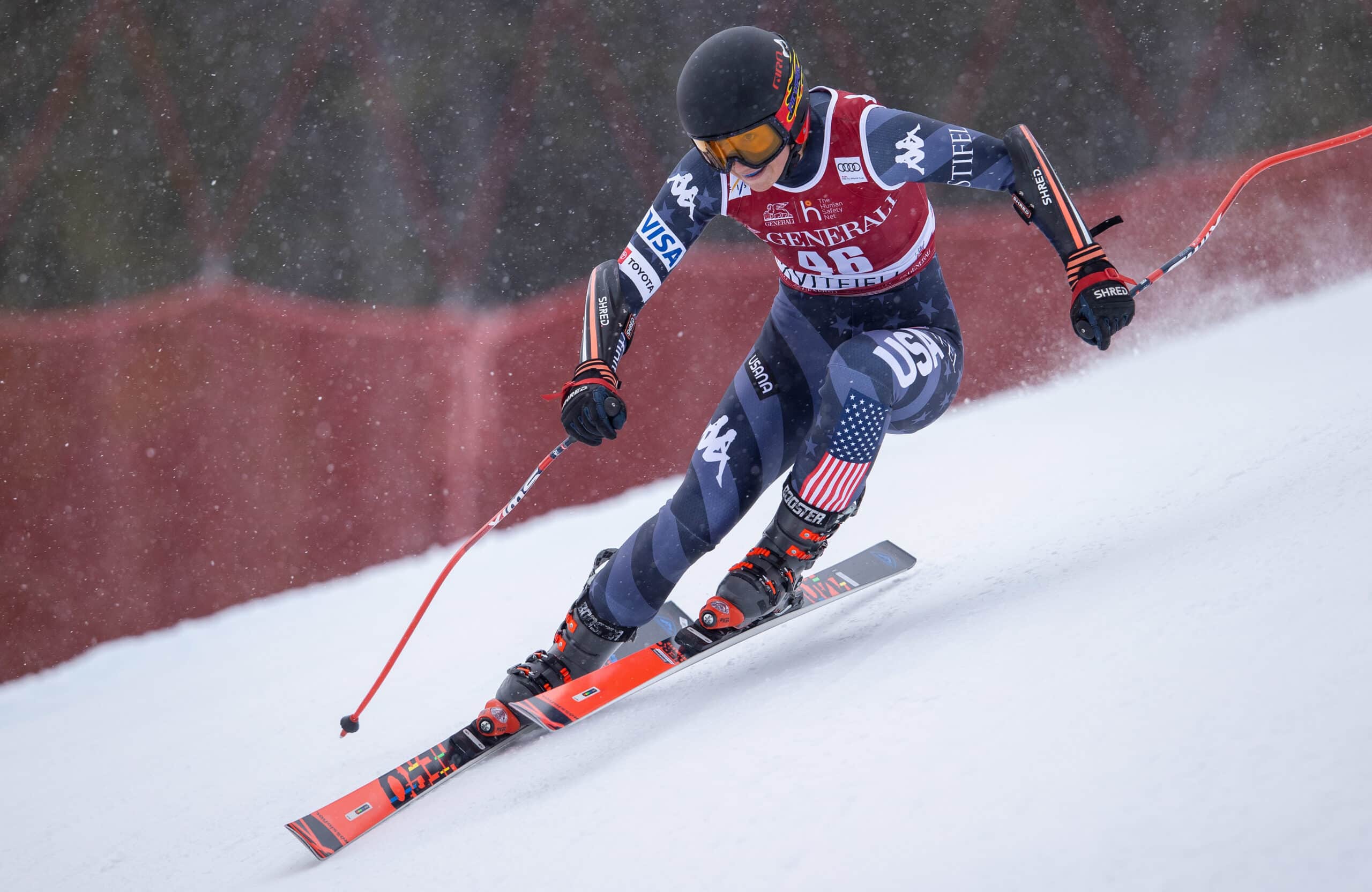
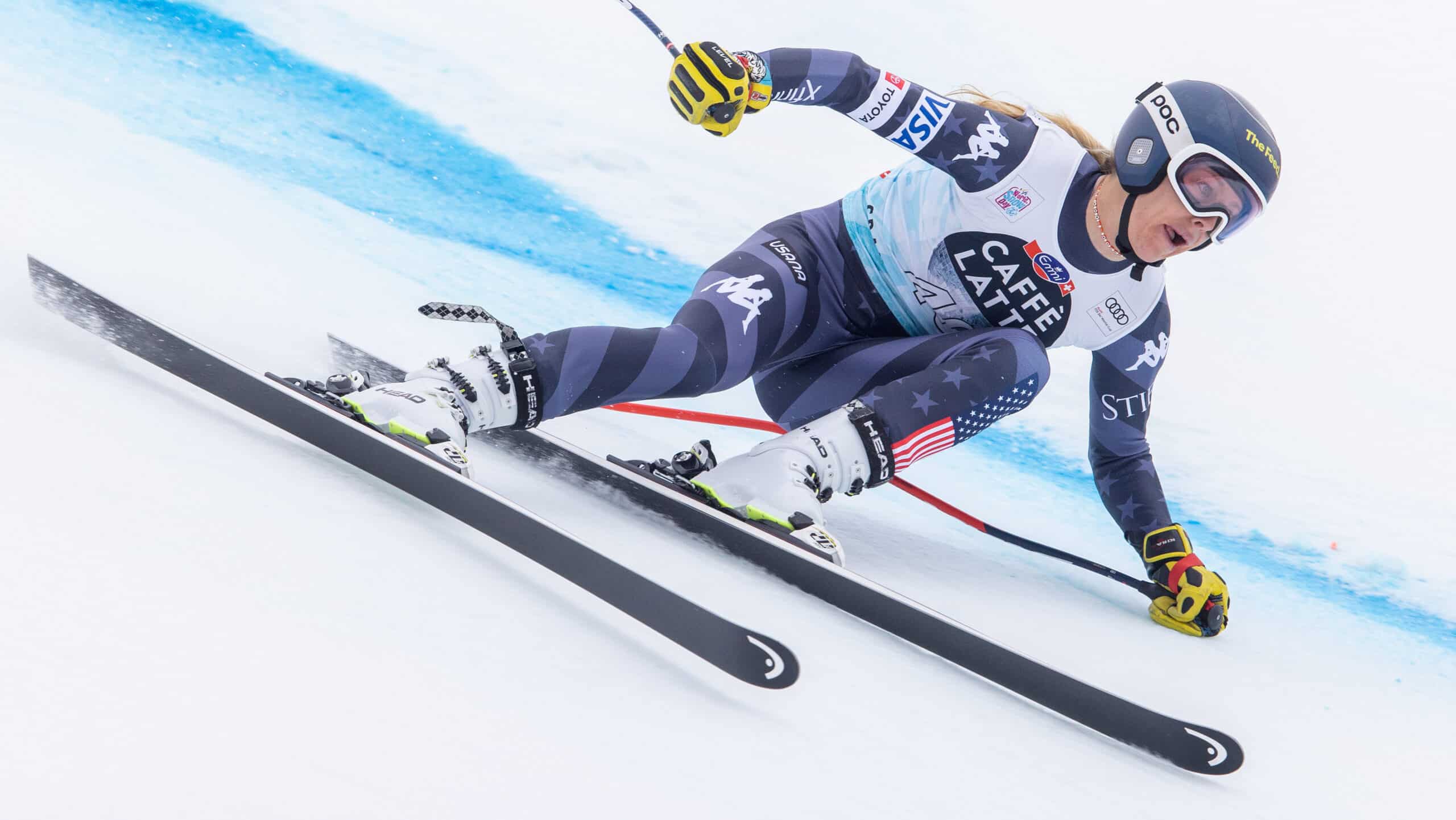
Ramping up tech skills
“Some of the technical aspects of my skiing are not quite there,” says Mollin, a U.S. Ski Team rookie who spent last season competing in the Europa Cup and international FIS speed events on her own. “Being with this group where we can work on the fundamentals on the technical aspects in a speed-focused scenario is perfect. A lot of fundamentals in my GS are directly applicable—striving into the top of a turn in GS, hammer at the apex for speed, being balanced over the outside ski—these are things I’d like to think about in Super G and downhill.”
One of the key benefits of the team is providing options for racing overseas.
“I think it’s super valuable, both for younger athletes and myself, coming back from injury. It’s the ideal situation for me,” Merryweather says. “World Cup Super G is my main focus, getting race starts, getting volume. I can show up to a World Cup downhill, and we’ll start adding those in. It’s so valuable to have this team. It’s flexible between each of us and who needs what. It allows us to have individualized programs. That’s something that has been lacking on the women’s speed side.”
World Cup prep
The team’s dynamic will also allow younger athletes to buffer their entry into the World Cup, which has historically come immediately after only domestic racing experience.
“On the speed side, it’s huge. We only have a handful of tracks here; Europe provides a whole other element to speed skiing. There’s more terrain and more variety,” Macuga says. “Last year, to see the European side of ski racing after I did the NorAms into the World Cup—it was a lot. This group is nice to still have that, but make it more accessible.”
“I don’t want to show up at the World Cup right off the bat,” agrees Mollin. “I want to show up and be competitive. I’m grateful for this team.”
About the Author: Shauna Farnell