Photo Credit: MBCD
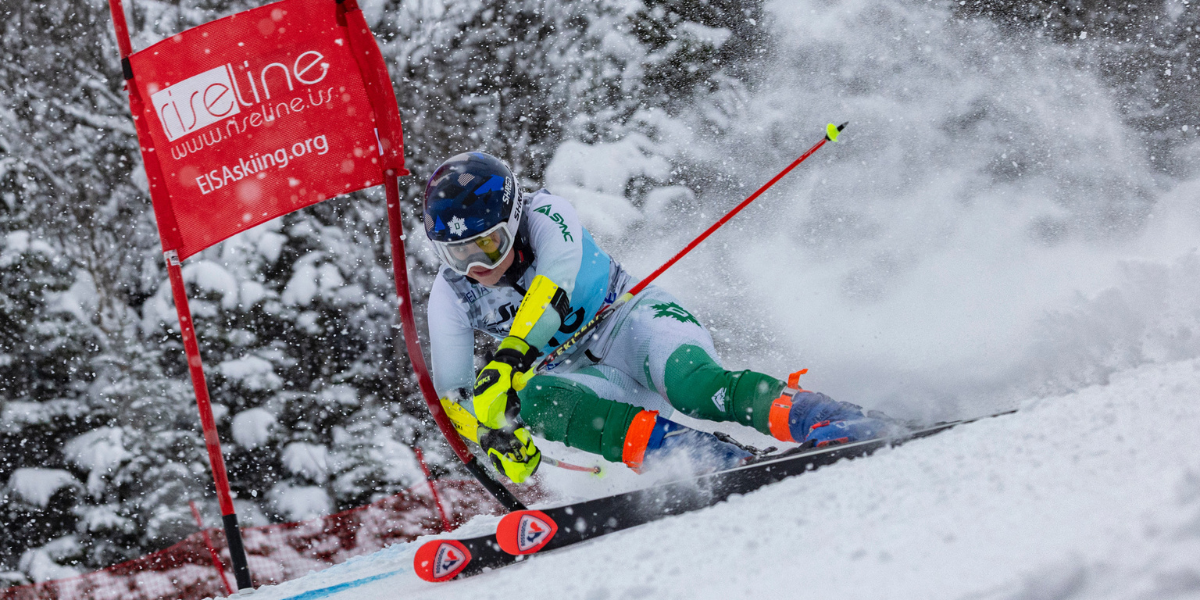
In alpine skiing, the difference between control and chaos comes down to centimeters and split seconds. Innovation no longer stops at skis, suits, or safety—it now also shapes what the viewer sees. Graphics, split times, and run comparisons now play a central role in the World Cup experience.
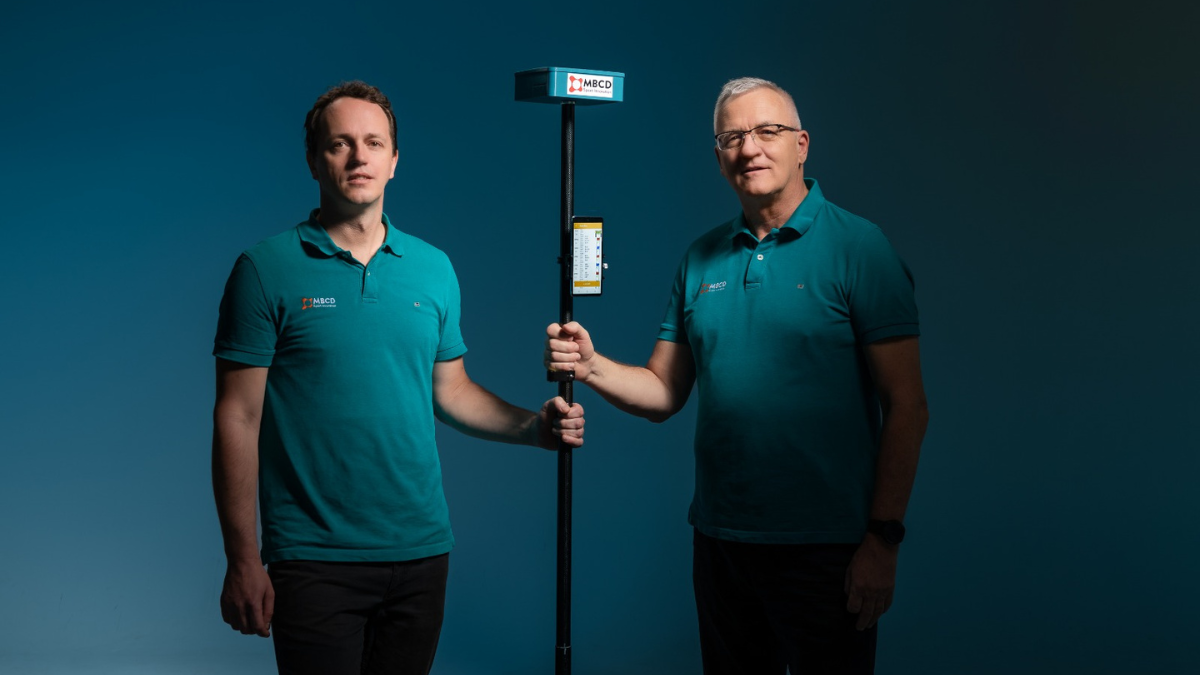
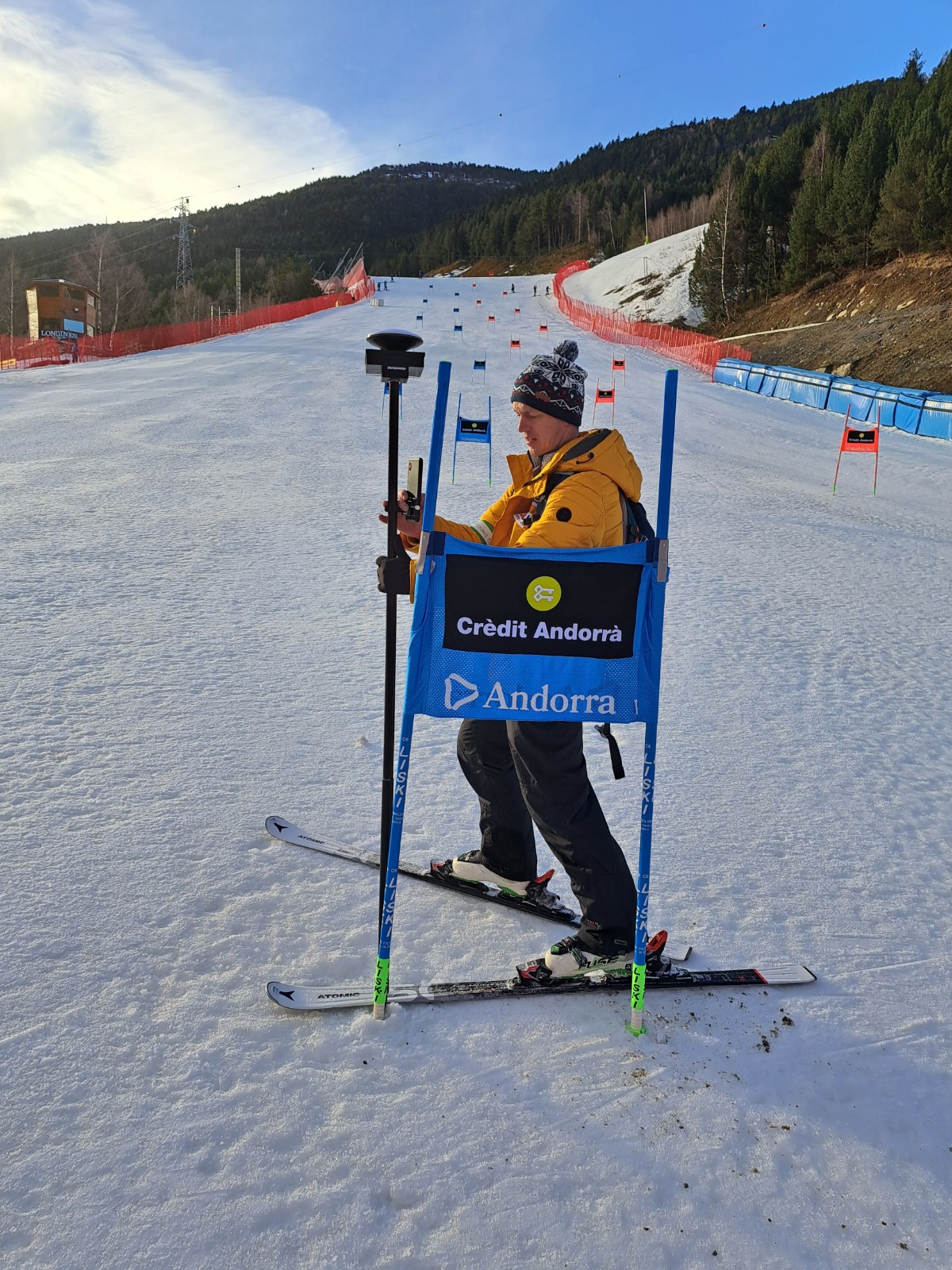
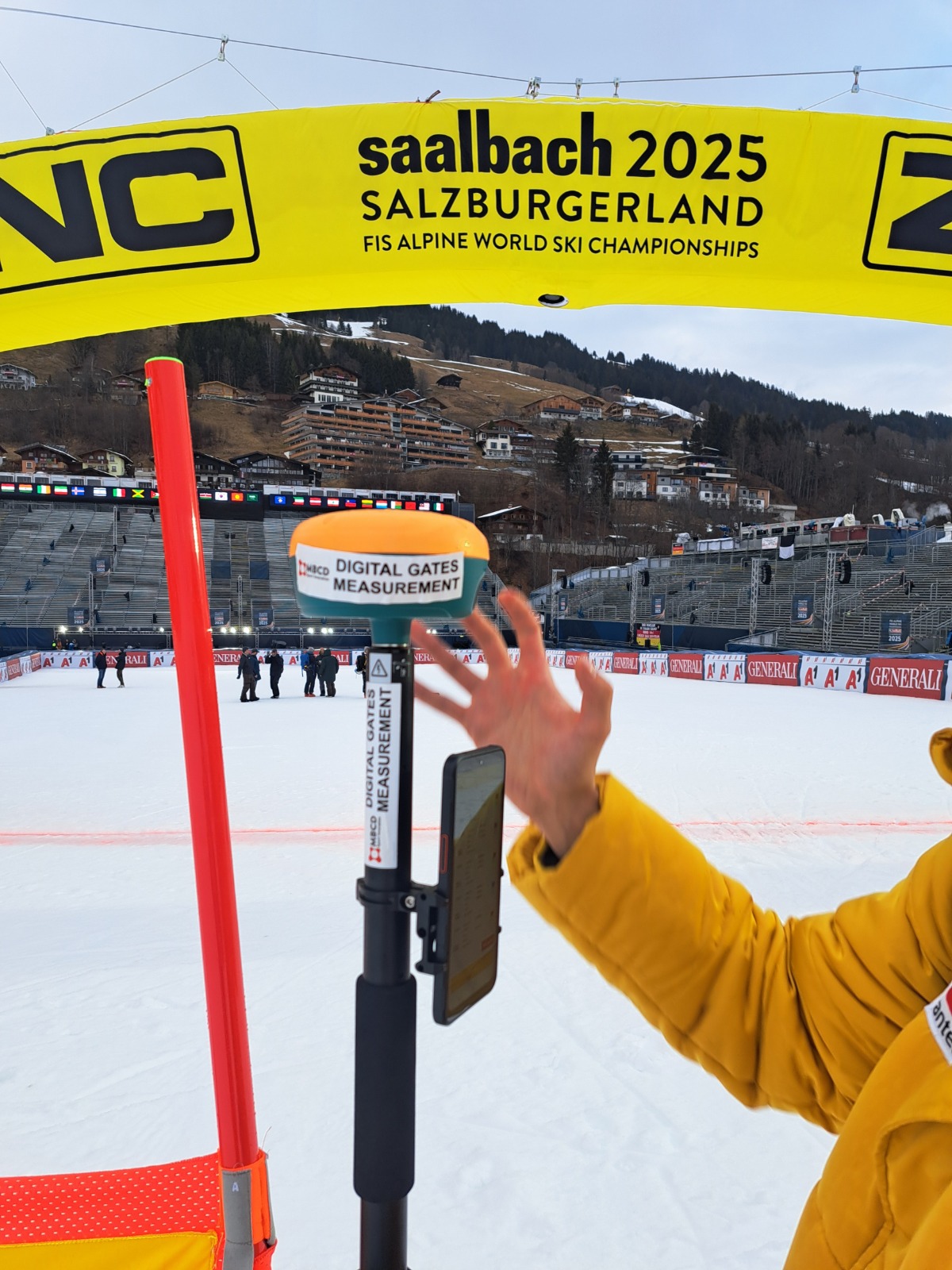
Behind those numbers sits a layer of technology most fans never see. A Slovak company, MBCD, specializes in satellite gate measurement and course digitalization, turning ski slopes into precise data models. These models help not only organizers and teams but also strengthen television broadcasts.
“Alpine skiing is a sport of details. The difference between a fair and a dangerous course can come down to just meters or angles,” says Martin Benko, CEO of MBCD.
Although the company now operates at the highest level of technology, including the Olympic Games, one thing remains unchanged—their passion for skiing. They are true fans of the sport, but they set their emotions aside when working. Their role demands objectivity: Data must remain precise and reliable for every athlete and team. In this interview, Martin Benko explains how that work shapes the sport.

What data does MBCD provide to teams, FIS, and viewers?
“It developed naturally—at the intersection of sport and technology. We saw that many aspects of skiing were still done in traditional ways, even though it’s a sport where centimeters and hundredths of a second make all the difference.
We wanted to bring a solution that wouldn’t just be an interesting innovation, but something that would genuinely help on the slope. We combined technical know-how with the needs of the sport, and gradually, it reached the highest level, including major international events and the Olympic Games.”
What exactly do your data provide to teams, FIS, and viewers?
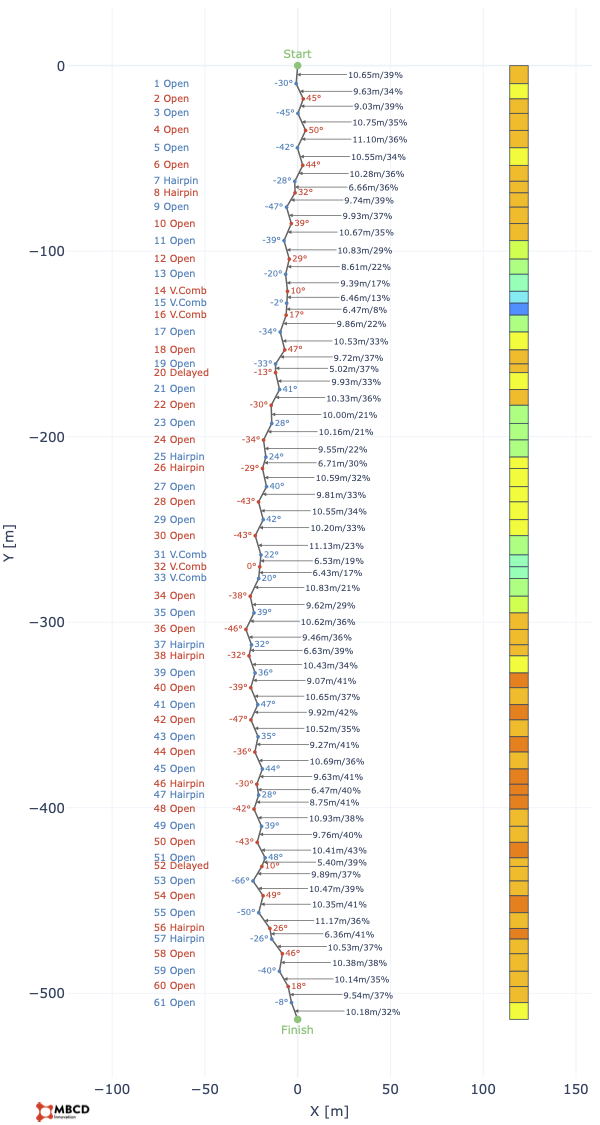
“Each group benefits in a slightly different way, but always in very concrete terms. Teams and athletes gain precise data about the course—not just distances between gates, but also insights into rhythm, slope, and key sections where speed is decided. That information helps refine line choice, timing, and overall race strategy.
For FIS, it brings greater objectivity and the ability to compare courses across different events. The data also contributes to improved safety.
The impact is perhaps most visible in television: More accurate split times, enhanced graphics, and better run comparisons. A modern sports broadcast is no longer just about visuals—it’s also about helping the viewer understand what’s happening on the course.”
Which parts of a World Cup broadcast come from your data?
“Primarily, what we would call ‘invisible infrastructure.’ The viewer doesn’t see our equipment; they see the results—time differences, run comparisons, and clearer explanations of performance. Data helps make the sport more understandable. Alpine skiing is fast and not always easy to read for the average viewer. We help give it a clearer narrative.”
That clarity has become increasingly important as courses grow more demanding and margins tighten.
What does race day look like for your team on a World Cup course?
“We step in after the course has been set. Then comes measurement, verification, and data processing. Everything has to run precisely and without delay, as the race schedule is very strict.
That’s why we’ve designed the system to be as efficient and reliable as possible, without requiring a large team. The most important thing is that the final data is accurate and trustworthy for everyone.”
Which race conditions are most challenging for course measurement?
“In the mountains, it’s more the rule than the exception. Weather, light, and snow conditions are constantly changing. Every course is different—some feature extreme slopes, others highly technical sections.
That’s why the technology must be ready to perform in any conditions. In this environment, it’s not the ‘interesting’ technology that wins, but the one that works every single time.”
How has alpine skiing technology evolved over the past decade?
“The biggest shift has been in how we work with data. In the past, many things were assessed by eye and experience. Today, we can complement that with precise digital data, which significantly improves decision-making. We’ve moved from simple measurement to full digital course models and analytics. And this is only the beginning.”


Do you operate beyond the World Cup and Olympic level?
“Yes, the technology is used at other FIS competitions as well. A major milestone for us was the Milano Cortina 2026 Winter Olympic Games, where we were responsible for measuring all alpine disciplines. For a Slovak company, that represents a huge level of trust and a strong validation of our quality.”

How do World Cup teams respond to this data?
“Teams work with data in a very practical way, so they quickly recognize its value. With any new solution, it takes a little time for the environment to adapt. What matters most is that the technology simplifies things rather than complicates them. When it works, the acceptance is naturally positive.”
Are you still fans of the sport while working in elite alpine skiing?
“Absolutely. This passion is exactly what led to the idea of improving something within the sport.
At the same time, being a fan has to be set aside during work. What we do must remain completely objective for every athlete and team. Perhaps that’s the biggest change—from being a fan to becoming part of a system that must function fairly for everyone.”
Veteran Victor Muffat-Jeandet on technology and modern World Cup slalom
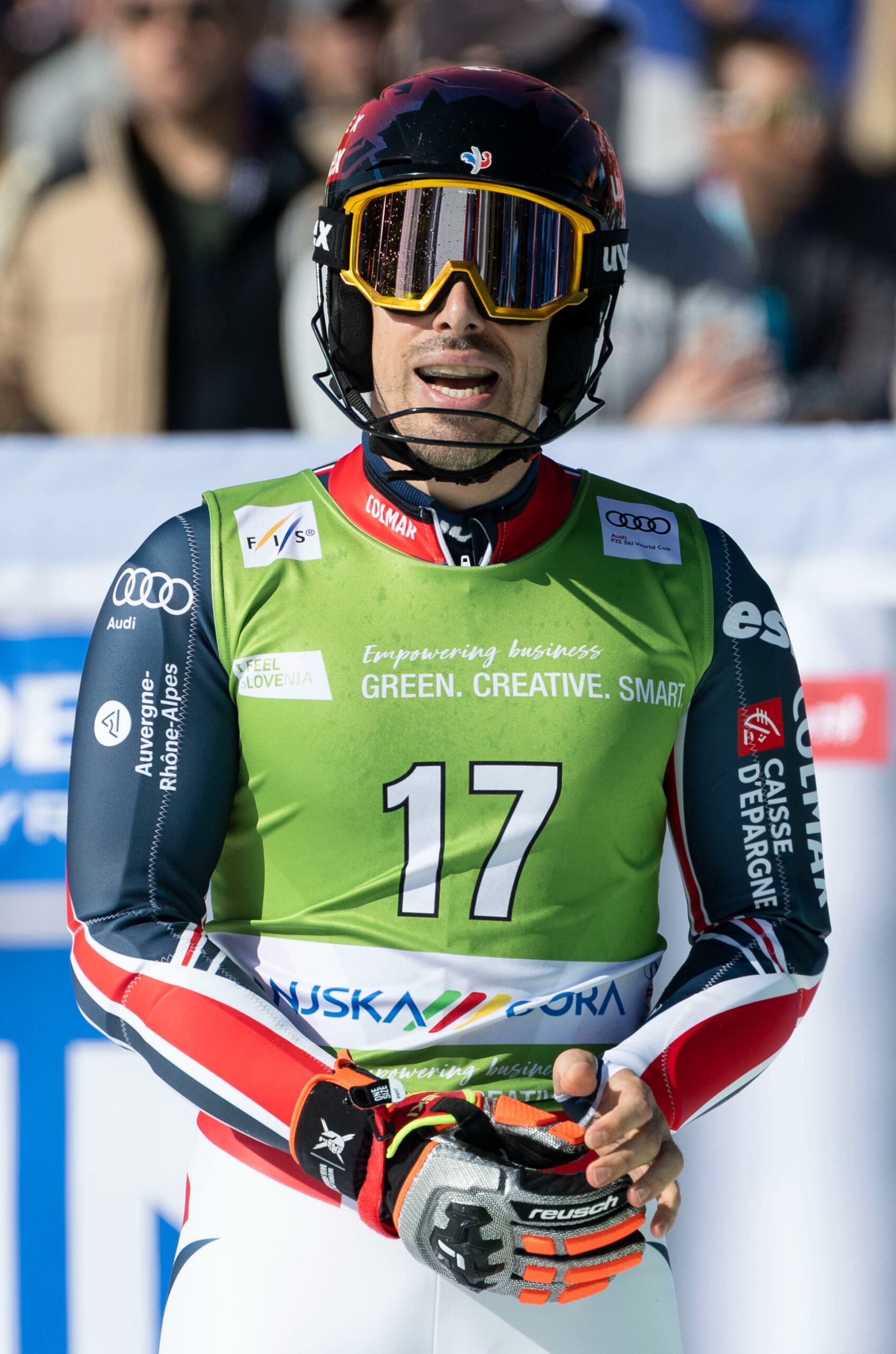
We also wanted to understand how athletes perceive the technological shift. In Kranjska Gora, we spoke with Victor Muffat-Jeandet. Following the retirement of Dave Ryding, organizers humorously recognized him as the most experienced racer in the field. At the same time, his role within a young French team continues to push him forward and elevate his level.
“Of course, today we have GPS devices. That gives us more information even during training. As you can see, it allows coaches to set more ‘tricky’ courses, and that’s the direction slalom is heading. There’s no easy course in the World Cup anymore. So training has changed a bit as well,” Muffat-Jeandet said when asked about technological progress in slalom.
At the same time, he adds: “It’s an interesting tool that we can use. But at the end of the day, it’s still skiing—and we have to train just like before.”
Even with more data available, performance still comes down to execution on race day.
With 262 World Cup starts, 11 podium finishes including one victory, and an Olympic bronze medal from PyeongChang, the French skier has built an impressive career—and he is far from finished.
“Three days ago, I turned 37. I don’t feel any pain, and mentally I’m still very motivated. We have an amazing young team that keeps pushing me forward. I still see progress in myself and clear goals ahead. So we keep going.”
About the Author: Darka Sefcik Starnova