Photo: COB/Time Brasil
By the summer of 2026, Brazil could no longer be considered an outsider in alpine skiing. The country had celebrated its first Winter Olympic medal — a gold — along with its first giant slalom crystal globe and its first podium finishes in both the slalom and giant slalom.
But the “South Star,” Lucas Pinheiro Braathen, was neither Brazil’s first nor its only alpine skier, even if he had become the country’s brightest and most successful one.
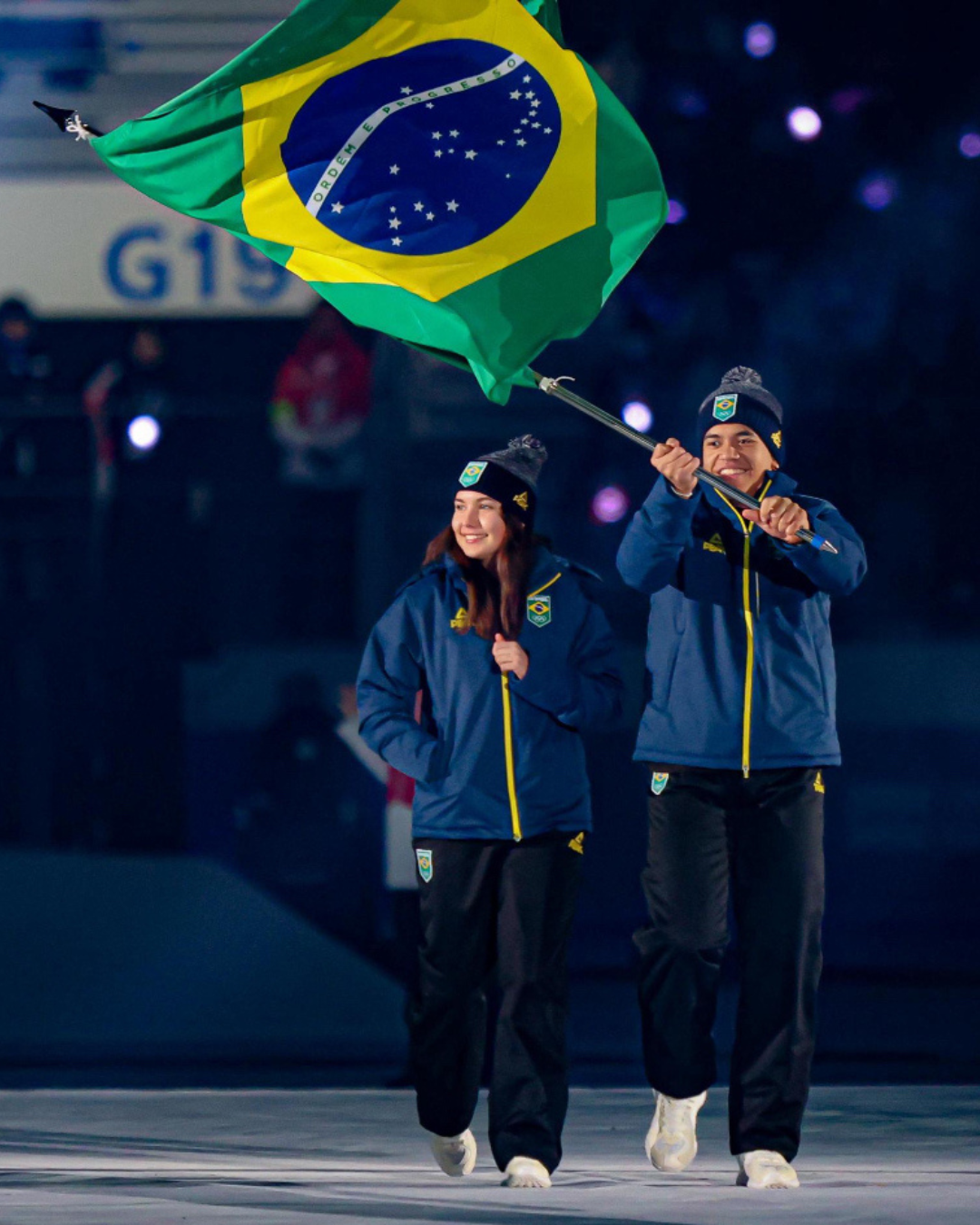
His breakthrough also provided a powerful backdrop for the emergence of 18-year-old Alice Padilha, who became Brazil’s first female Olympic alpine skier in 12 years at Milano Cortina 2026. Her journey began far from the sport’s traditional centers and now carries the ambitions of a developing generation of Brazilian women.
Brazil’s Olympic breakthrough
Brazil’s first appearance in Olympic alpine skiing dates to 1992, when Hans Egger and Marcello “Lelo” Apovian represented the country at the Albertville Winter Games. Today, both have traded race bibs for microphones and work as World Cup commentators for Brazilian audiences.
Apovian shared what it felt like to witness one of the greatest moments in Brazilian winter sports history from the commentary booth.
“The 2026 Winter Olympics were my third Games as a commentator, but without question the most emotional. Before that, I spent 13 years racing for Brazil and competed at two Winter Olympics myself.
“Watching Lucas race brought back memories of how difficult it is to reach that stage. It takes years of sacrifice, resilience and dedication. As he skied down the course, I felt as if I were skiing every gate with him.
“When he crossed the finish line and I realized he had won Olympic gold, I broke down in tears. Although I never won an Olympic medal myself, I knew exactly what it had taken for Lucas to achieve that moment. It was unforgettable — not only as a former athlete and commentator, but also as a father. After all, Lucas is young enough to be my son.”
At Milano Cortina 2026, Brazil fielded three male alpine skiers after receiving additional quota places. Christian Soevik and Giovanni Ongaro joined Pinheiro Braathen on the Brazilian team.

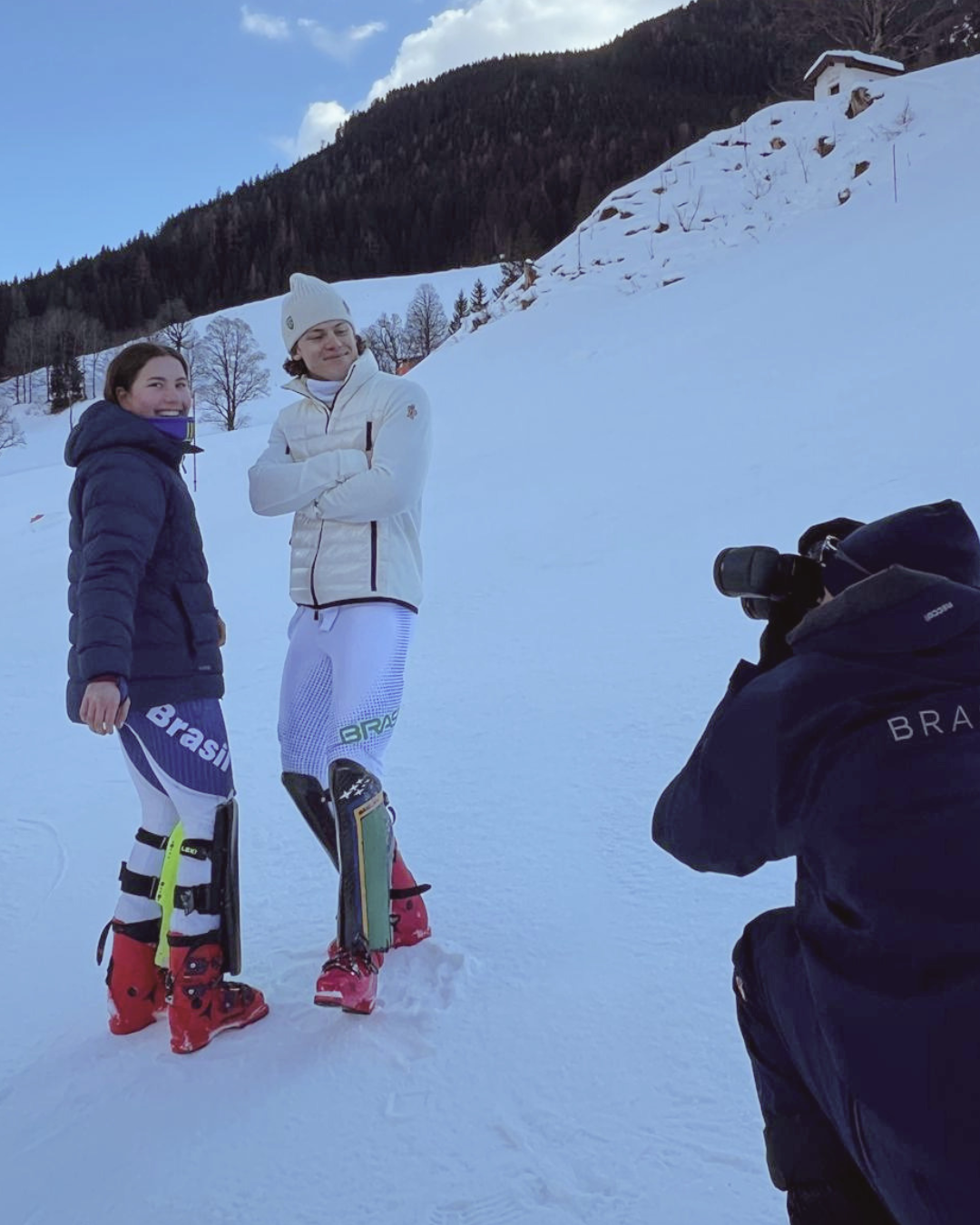
An 18-year-old Olympian
On the women’s side, Mirella Arnhold and Maya Harrison represented Brazil at Winter Olympics between 2002 and 2014. Twelve years after Harrison competed at the Sochi Games, Padilha restored Brazil’s presence in women’s Olympic alpine skiing at Milano Cortina.
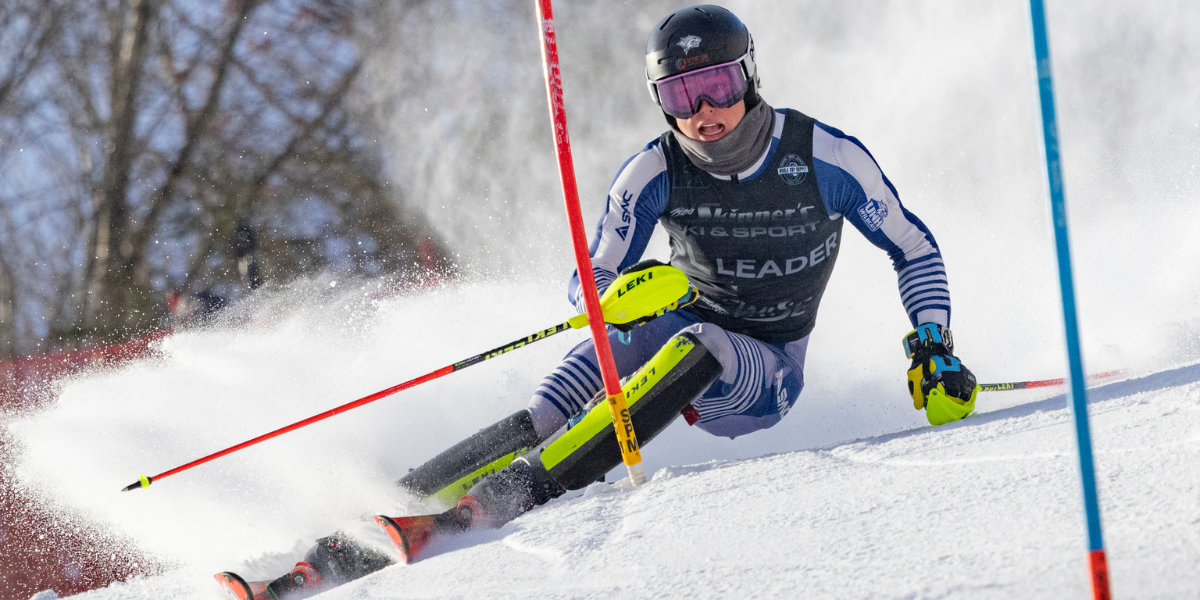
Padilha competed only in the Olympic slalom but did not finish. Still, she left Milano Cortina with experience, greater motivation and a clearer understanding of what competing at the sport’s highest level requires.
The story behind her journey is one her proud mother, Alessandra Padilha, knows better than anyone.
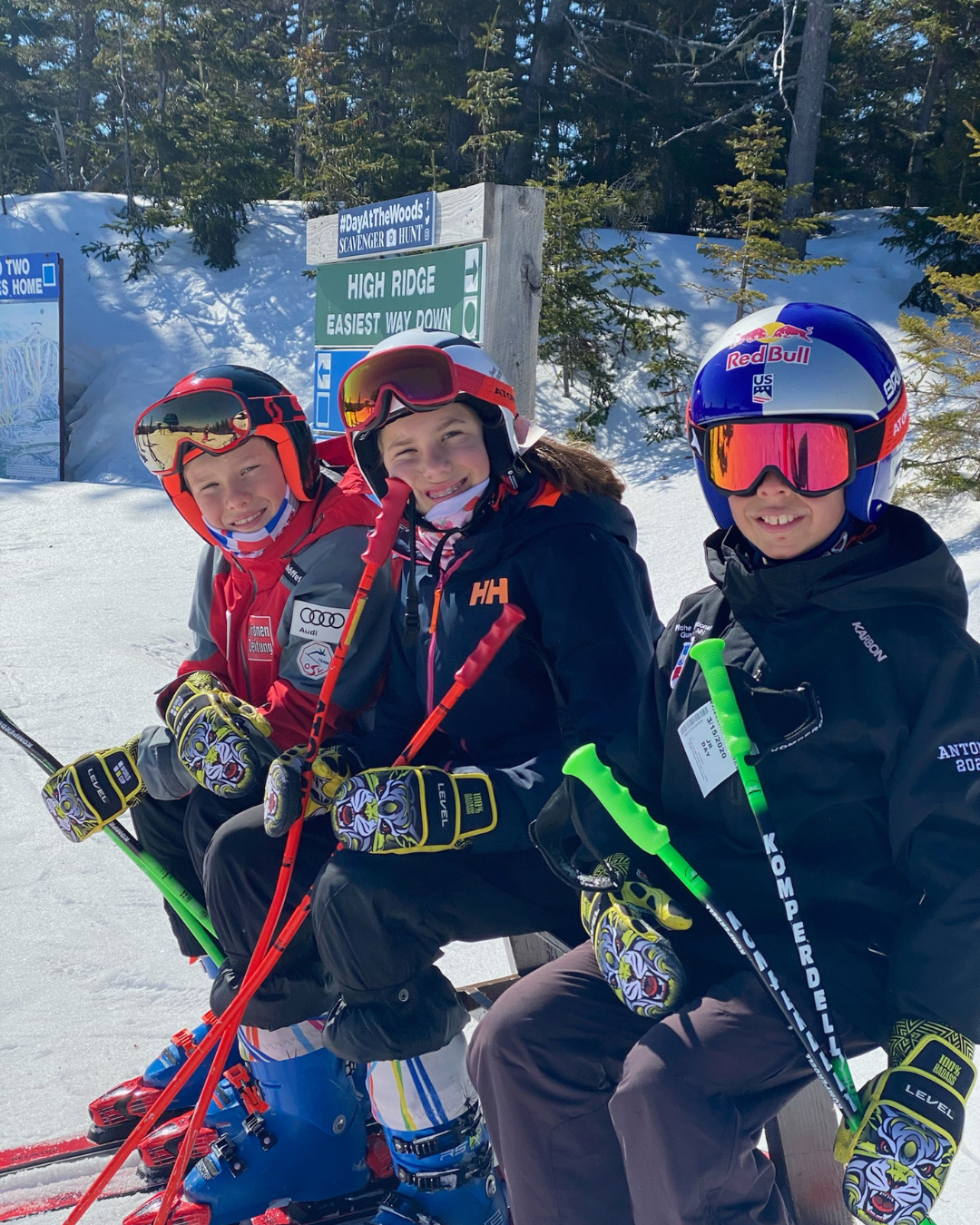
“All three of my children were born in Brazil. Alice and Arthur are twins, and Antonio is their younger brother. Because of my husband’s job, we moved to the United States when they were still very young. We lived in Connecticut, close to a small ski resort, and since skiing is part of the local culture, we decided to enroll the kids in ski school,” Alessandra recalled.
The siblings trained at Thunder Ridge Ski Area in New York until they reached the U14 level.
A World Cup visit changes everything
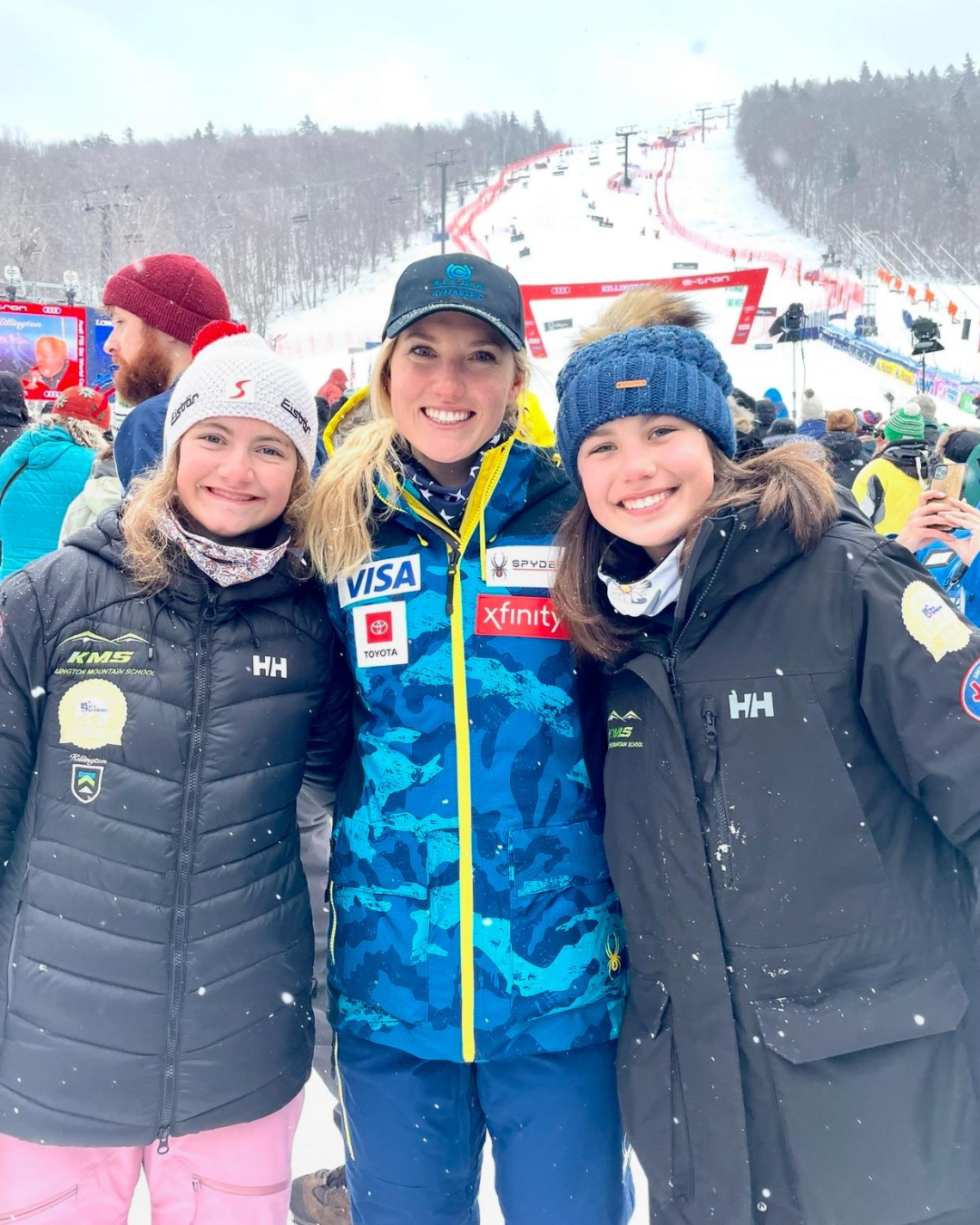
Then Arthur wanted more. He dreamed of skiing at a larger resort, so the family attended a camp at Killington in 2018. During their stay, they also experienced a women’s World Cup race for the first time.
“It completely changed the way they looked at skiing because they experienced what it truly means to be a fan. The photos, banners, flags, the atmosphere and especially the chance to see their idols in person gave them incredible motivation to work even harder.”
Their passion did not go unnoticed. Coaches at Killington Mountain School saw their dedication and offered Alice and Arthur the opportunity to study and train there from eighth grade through the U18 level.
“One of the key people in their journey was Greg Hadley, who is now a college coach in Massachusetts,” Alessandra said.
The opportunity required the entire family to reshape its life. The Padilhas changed where they lived, adjusted their jobs and reorganized their daily routines to support the twins’ skiing ambitions.
One thing, however, never changed — their Brazilian identity.
Click on the images to enlarge
A six-month race to Gangwon
Not long afterward, the family contacted the Brazilian Ski and Snowboard Confederation about the possibility of representing Brazil.
“They’re incredibly welcoming and easygoing people. They were excited to suddenly have three promising young athletes for the national team. Everything moved surprisingly quickly, and Alice and Arthur had just six months to qualify for the 2024 Winter Youth Olympic Games.”
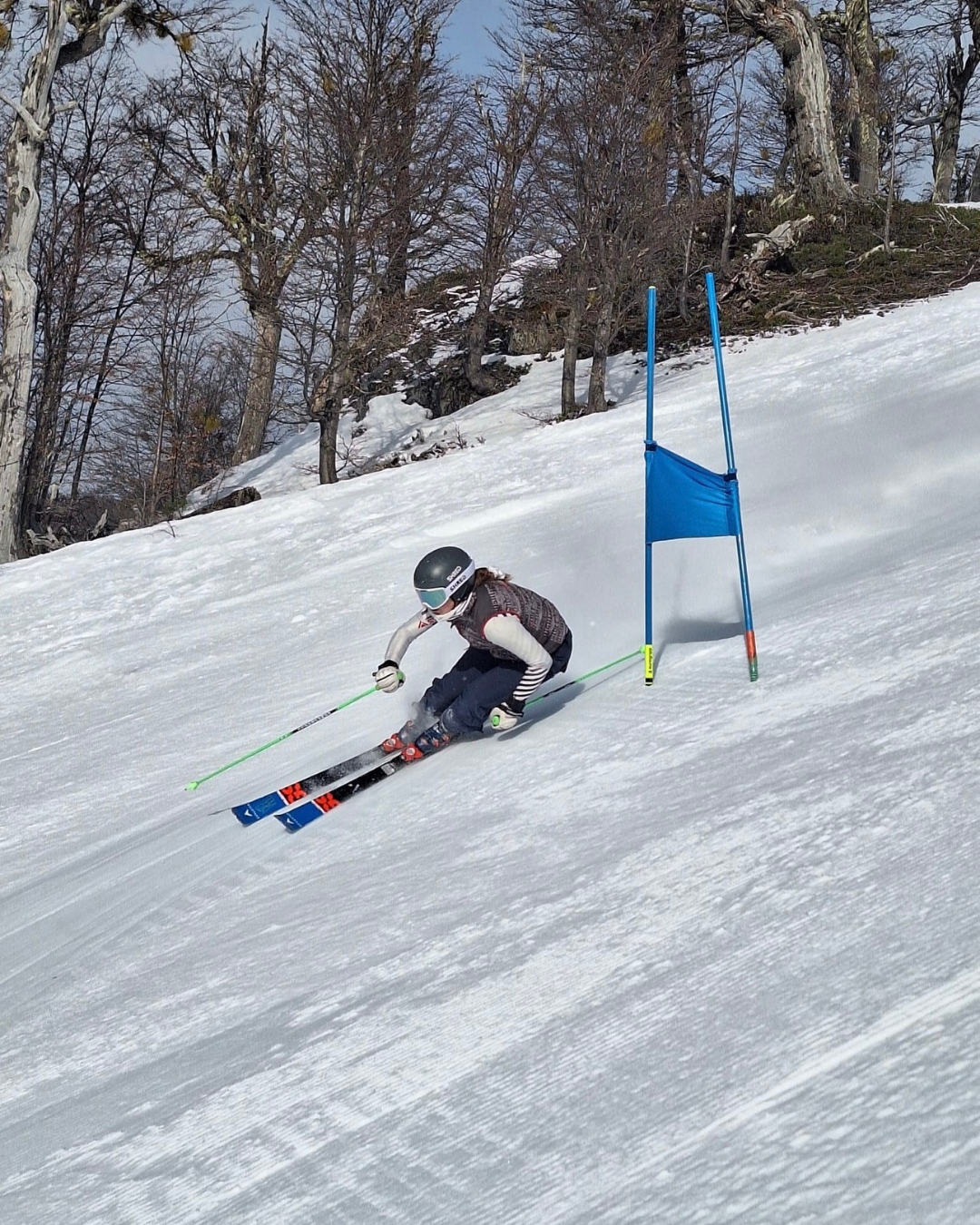
They made it. Months of training in Argentina paid off, and the twins earned their places on Team Brazil for the Winter Youth Olympics in Gangwon, South Korea.
“It was amazing to experience the diversity of nations, meet people from different cultures and share a passion for sport. Cultural identity is very important to us. In many ways, our story is the opposite of Lucas’. He learned to ski in Norway and brought that beautiful sport to Brazil. We are Brazilians who discovered skiing abroad. In the end, though, we’re all helping make the sport more diverse while promoting the same values.”
Determination opens a door to Europe
After graduating from high school, Arthur chose to study engineering in Denver. Alice, meanwhile, committed her gap year entirely to skiing and began looking toward Europe.
“Alice is incredibly determined. She’s still very young, but when she sets her mind on something, she finds a way,” her mother said.
In July 2024, her club was training in Valle Nevado, Chile. At the same time, IQ Power — the team Alice hoped to join for her gap year — was holding a camp approximately 30 minutes away in El Colorado. The coaches invited her to participate, but she had no way to get there.
“She walked around the hotel lobby asking everyone for help, explaining the situation, trying every possible solution. She was desperate, but she refused to give up. Eventually someone found a driver. We even spoke with him because, as parents, we were worried about our daughter getting into a stranger’s car in a foreign country. But Alice wouldn’t let the opportunity slip away.”
That determination left a lasting impression on coaches Josef Schattbacher and Theresa Schwaiger.
Soon afterward, Alice moved to Europe.
A World Cup opportunity
For the 2026-27 season, Padilha will ski with the Carrabassett Valley Academy Ski Team. Her goals center on continuing her technical development, lowering her FIS points and gaining additional international experience.
Padilha has fewer than 150 FIS points in both slalom and giant slalom. That makes her eligible to use Brazil’s basic World Cup quota spot.
However, eligibility does not mean a World Cup start has become her immediate objective. Padilha and those around her remain focused on the development required to compete successfully at that level.
A future start could make her the first Brazilian woman to compete in an alpine World Cup race. Should that opportunity eventually come at Killington — the place where her passion for elite ski racing began — it would bring her journey full circle.
Inspiring Brazil’s next generation
Pinheiro Braathen’s Olympic gold transformed the visibility of alpine skiing in Brazil. Padilha’s Olympic appearance created a different form of inspiration.
“Lucas’ Olympic gold changed how people in Brazil see skiing. Suddenly, many more people started paying attention to the sport. Alice qualified for the Olympics and, after 12 years, Brazil once again had a woman competing in alpine skiing. Since then, she’s received countless messages from young Brazilian girls telling her they want to be like her and one day compete at the Olympics.”
Milano Cortina left a lasting mark on Alice for another reason.
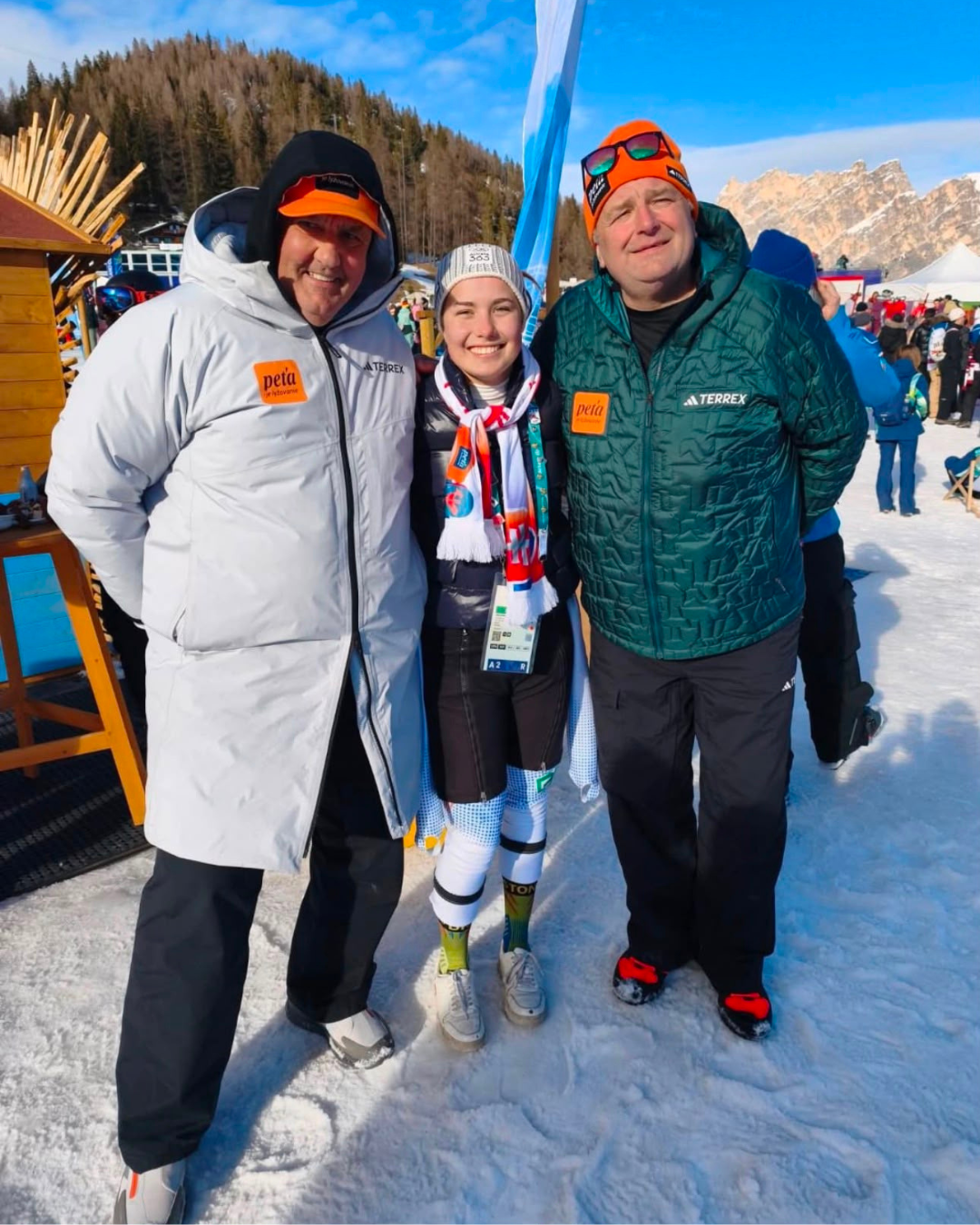
“Standing in the start alongside athletes she had admired for years was an unforgettable experience. The Olympics made her even more motivated to keep improving and show Brazil that women’s alpine skiing exists, too. And I have to tell you one funny story,” Alessandra said with a laugh. “When Alice came home from the Olympics, she got out of the car wearing an orange cap and a Slovak scarf. She couldn’t stop smiling.”
A connection that continued after Cortina
In Cortina, Alice became friends with Petra Vlhová’s father, Igor Vlha, while Vlhová’s fan club quickly welcomed her into its community.
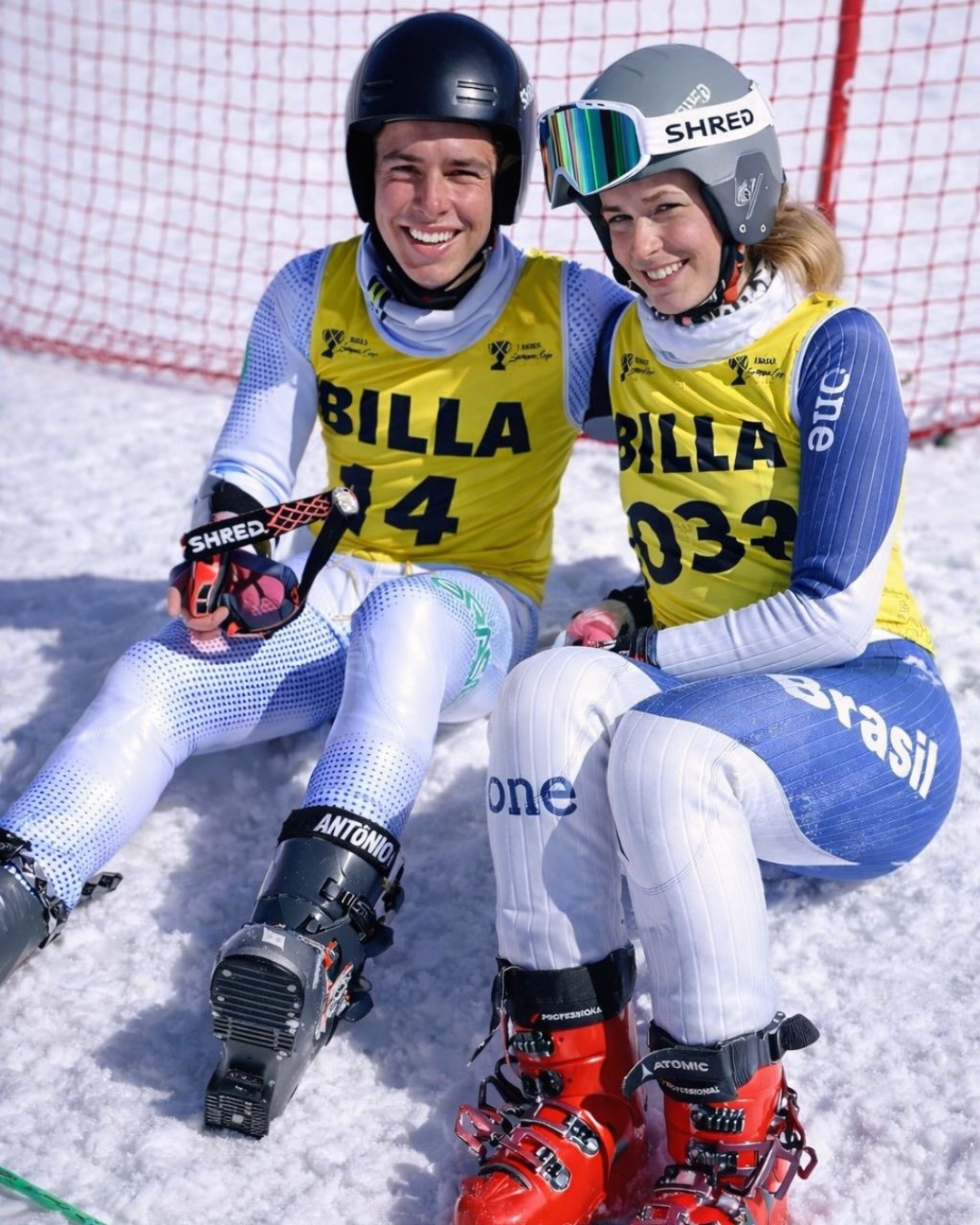
Her connection with Slovakia continued after the Olympics. Together with her younger brother Antonio, Alice competed in FIS races at Štrbské Pleso before returning to the United States.
She slightly improved her giant slalom point profile but did not finish the slalom.

Building Brazil’s women’s program
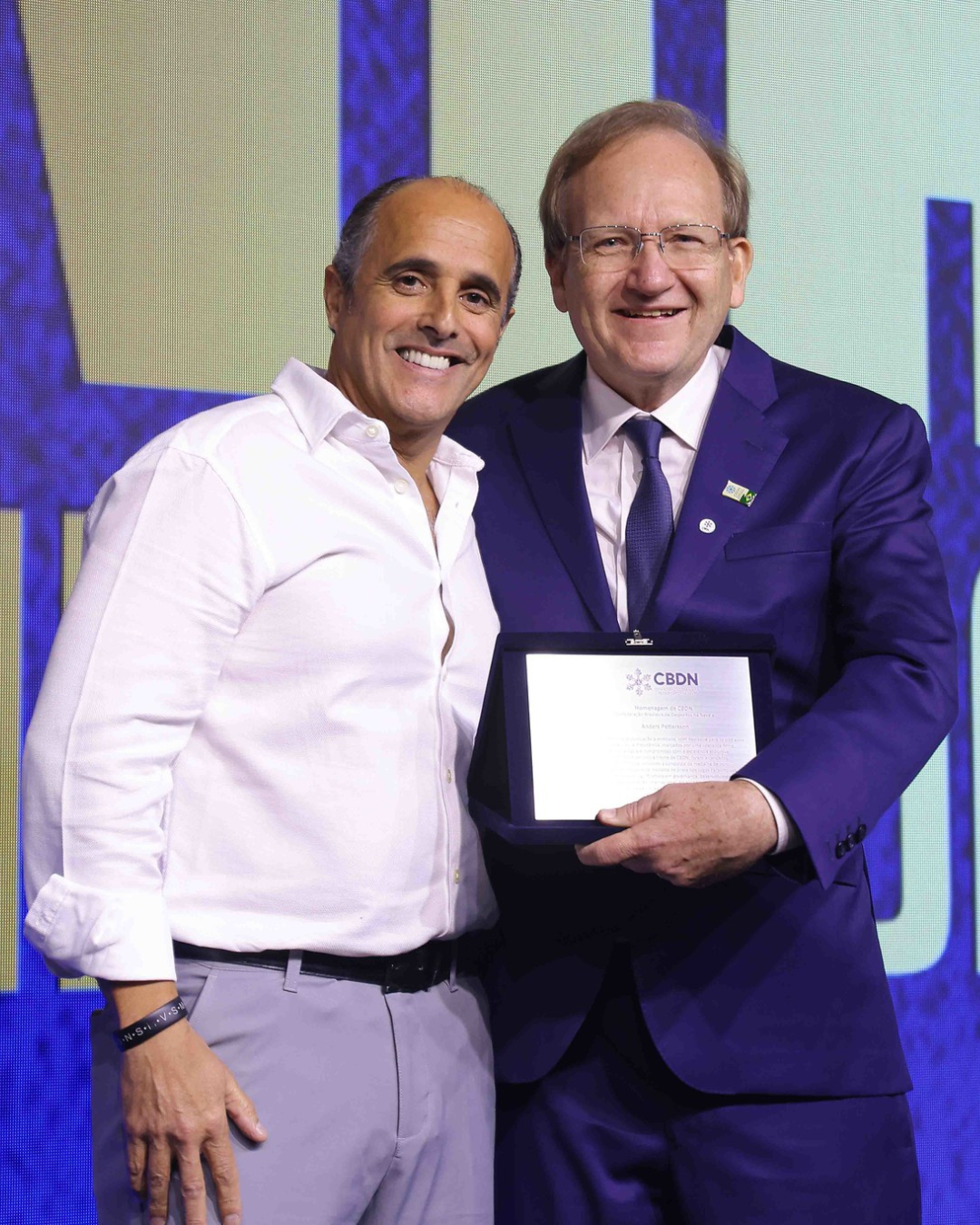
Following the CBDN’s recent election, Carlos Eduardo Barros became president of the Brazilian Ski and Snowboard Confederation. Strengthening the women’s alpine program ranks among his priorities for the next Olympic cycle.
According to Barros, Brazil’s emerging women’s group extends beyond Padilha. Emily Magnani and several younger athletes are beginning to form a promising generation.
Although the CBDN remains a relatively small federation, Barros believes each season gives it more experience in supporting athletes pursuing international competition.
Visibility represents another important step. For many Brazilians, following alpine skiing in Portuguese could help the sport attract and retain a larger audience.
“Broadcasting alpine skiing on Brazilian television is something we actively encourage. We know that having Brazilian athletes competing is one of the biggest drivers of public interest, and we’ll continue working to ensure that women’s races become part of those broadcasts more often.”
Turning Olympic success into opportunity
Barros said Pinheiro Braathen’s Olympic gold had already transformed the sport’s profile in Brazil. However, he sees inspiration — not only the medal itself — as its most important legacy.
“Our biggest responsibility now is to create opportunities for the next generation. An Olympic medal isn’t only about the result itself — it’s about inspiring young athletes to dream that they can be there one day.”
As he begins his first term, Barros views his role as building on the federation’s recent progress rather than starting again.
“My goal is to continue the work that has already brought Brazil an Olympic gold medal and a Paralympic medal, while helping create an even stronger future for Brazilian snow sports — not only for the next four years, but for the next decade.”
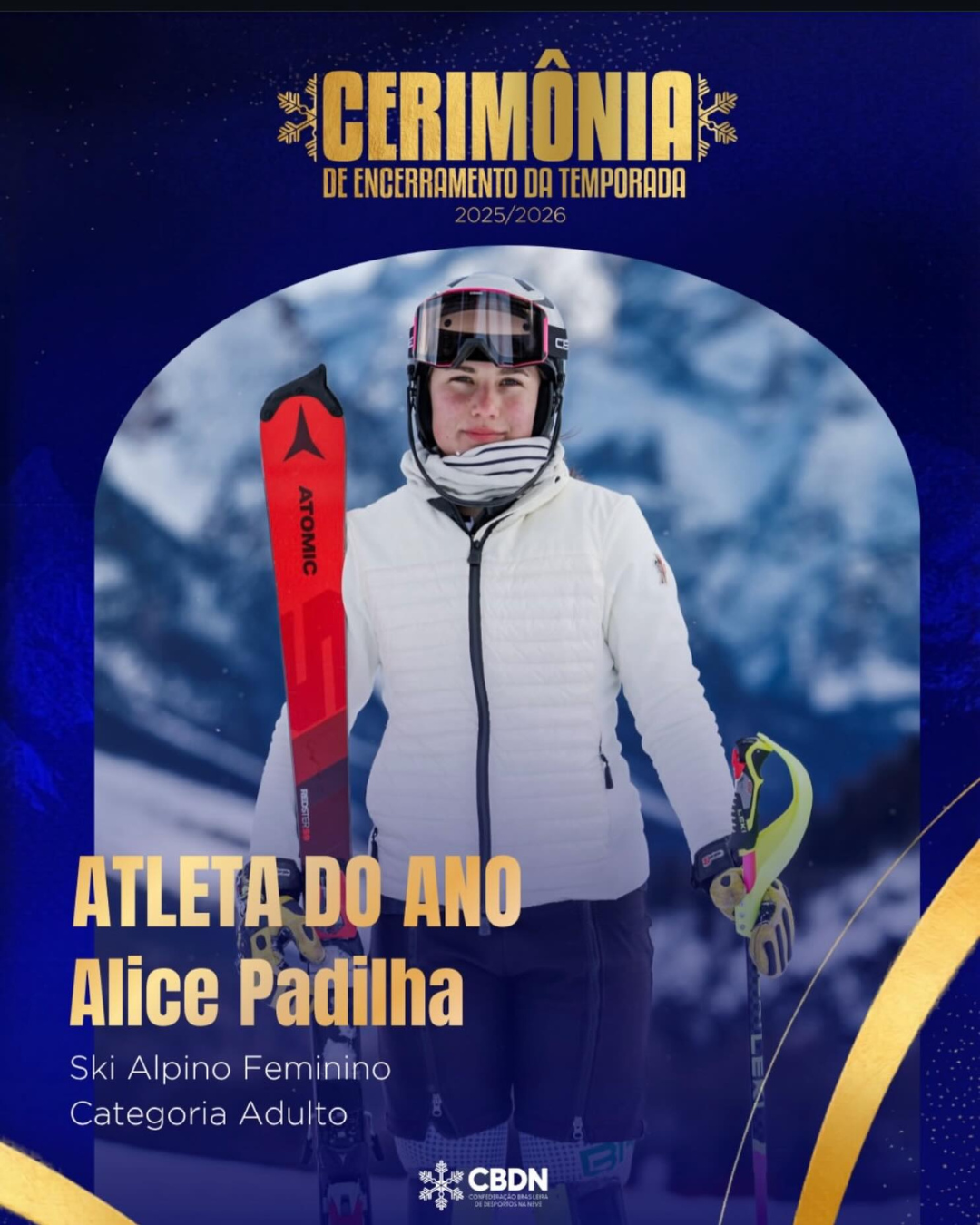
Padilha’s influence already reaches beyond results
Padilha’s next milestone may be a lower FIS point profile, another international start or, eventually, Brazil’s first women’s World Cup appearance. Yet her influence already reaches beyond her own results.
Each message from a Brazilian girl who now sees alpine skiing as a possibility shows how far the sport has traveled — and how much further Padilha and Brazil’s emerging women hope to take it.
About the Author: Darka Sefcik Starnova