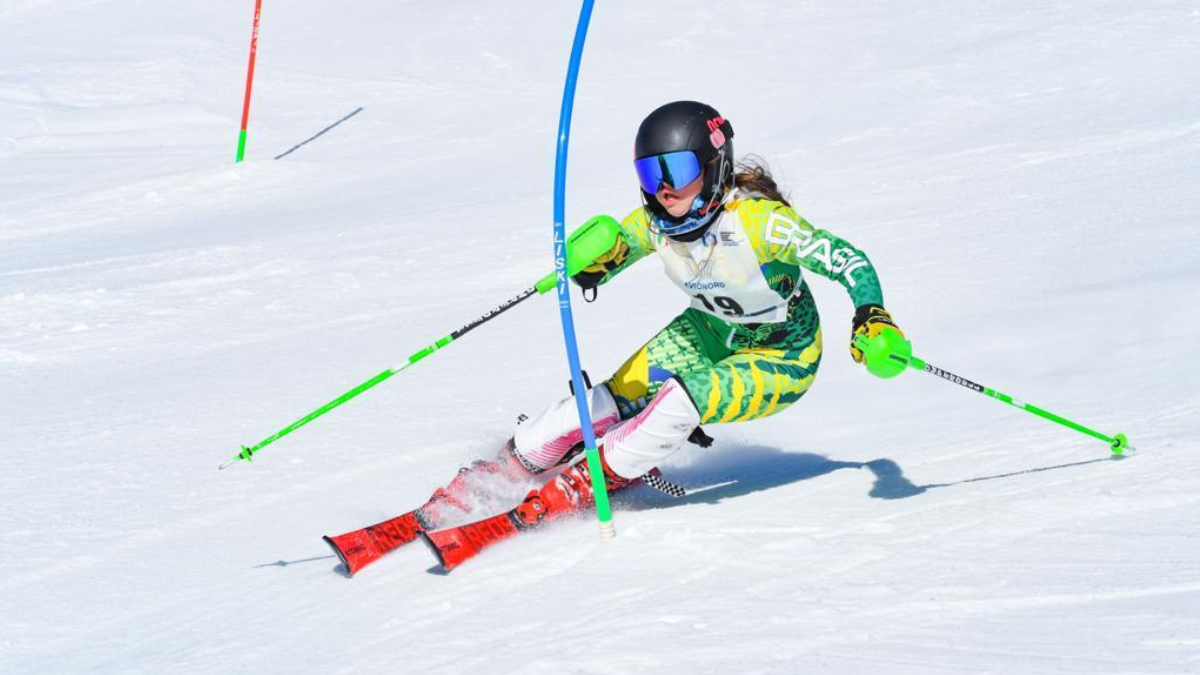
Carlotta Fagnani Photo: Brunella Pignaton
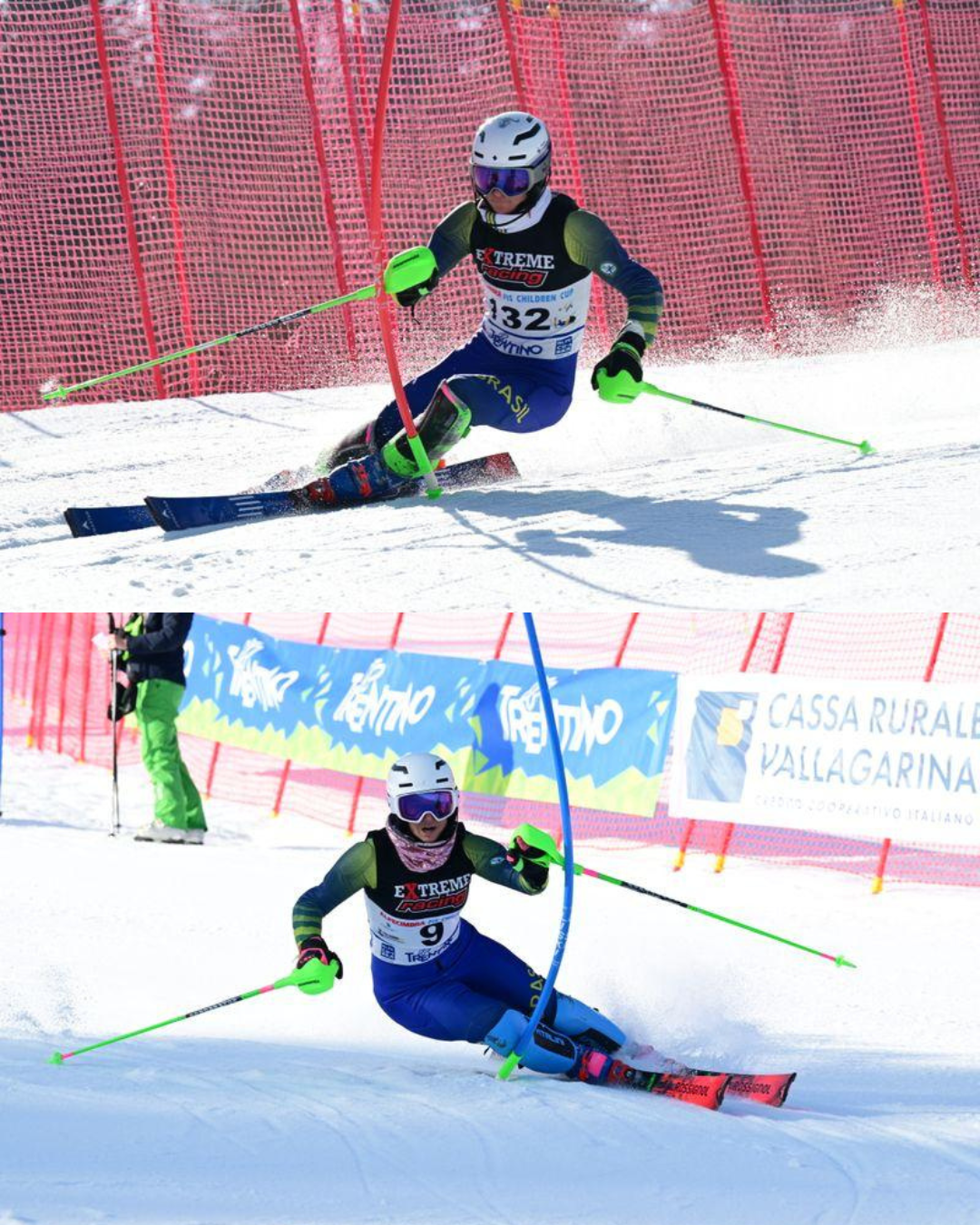
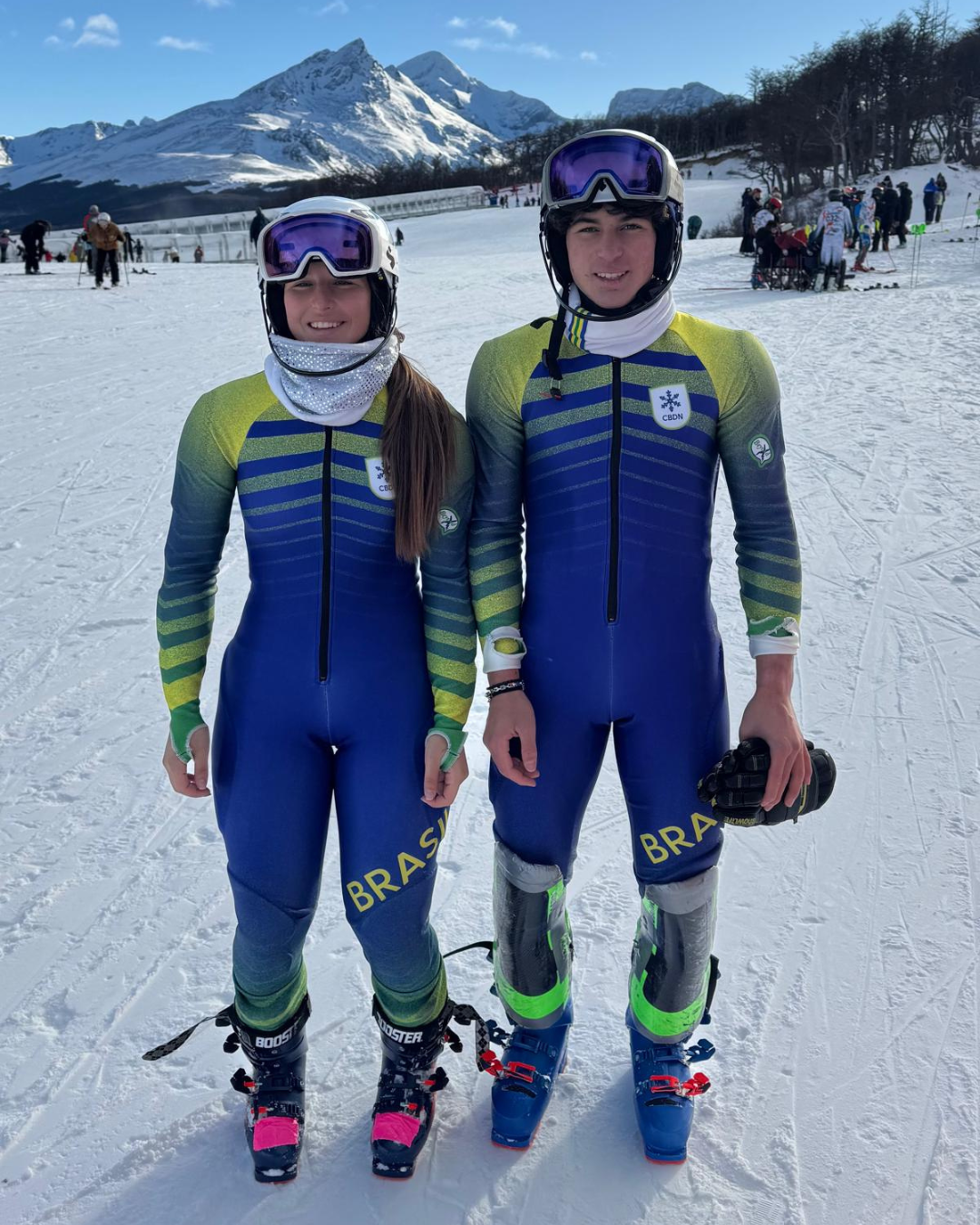
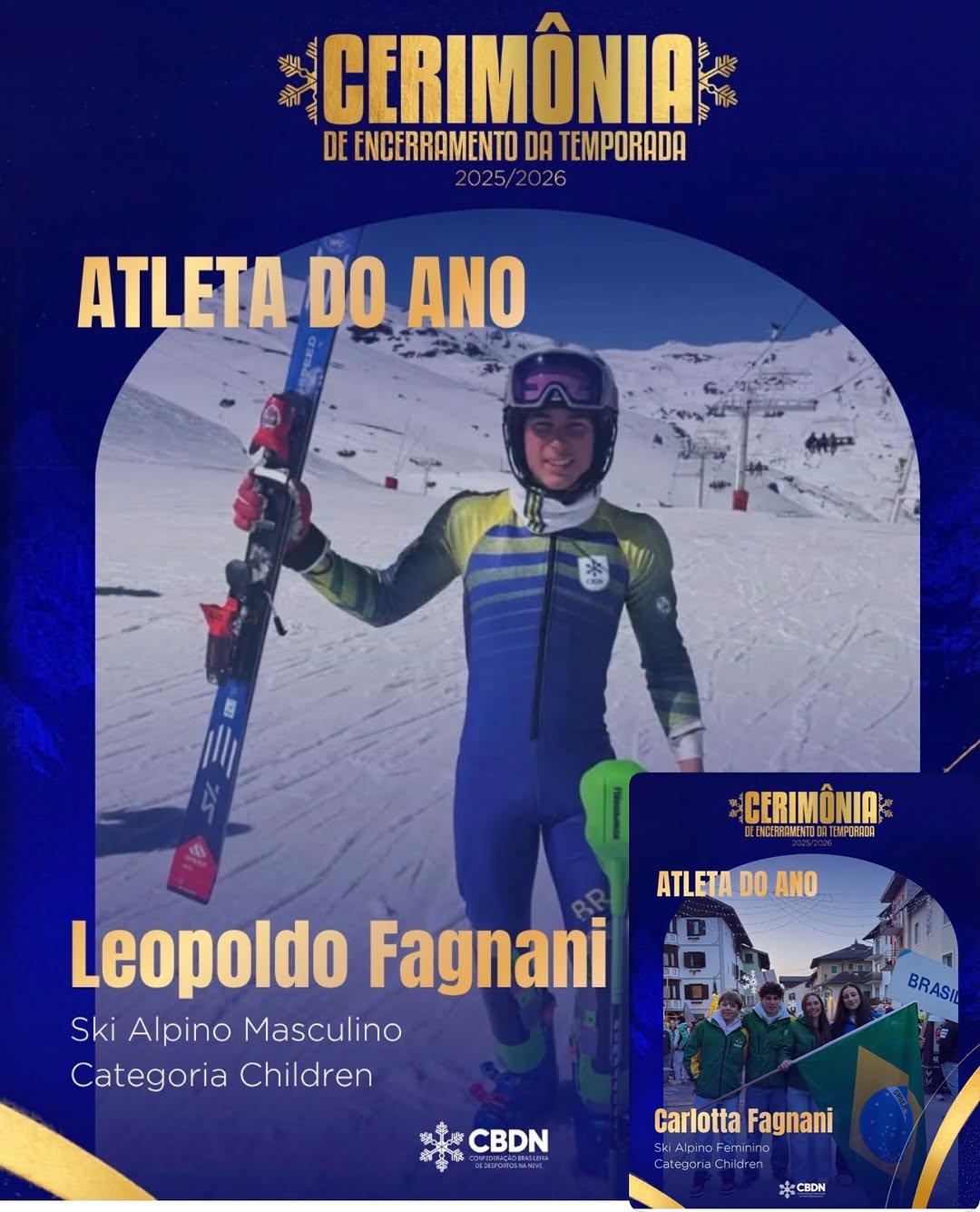
Lucas Pinheiro Braathen proved that a Brazilian alpine skier could reach the top of an Olympic podium. Now, 16-year-old twins Carlotta and Leopoldo Pignaton Fagnani are beginning their own journey onto the international FIS circuit.
At Milano Cortina 2026, Lucas Pinheiro Braathen won Brazil’s first Winter Olympic gold medal. Few could have imagined that transformation when Brazil made its Olympic alpine skiing debut more than three decades earlier.
In 1992, Hans Egger and Marcello “Lelo” Apovian represented Brazil at the Albertville Winter Games. Today, both call races for Brazilian audiences.
For Apovian, watching Pinheiro Braathen win Olympic gold brought those two eras together.
“The 2026 Winter Olympics were my third Games as a commentator, but without question the most emotional,” Apovian said. “Before that, I spent 13 years racing for Brazil and competed at two Winter Olympics myself.
“Watching Lucas race brought back memories of how difficult it is to reach that stage. It takes years of sacrifice, resilience and dedication. As he skied down the course, I felt as if I were skiing every gate with him.
“When he crossed the finish line and I realized he had won Olympic gold, I broke down in tears. Although I never won an Olympic medal myself, I knew exactly what it had taken for Lucas to achieve that moment. It was unforgettable — not only as a former athlete and commentator, but also as a father. After all, Lucas is young enough to be my son.”
At Milano Cortina 2026, Brazil fielded three male alpine skiers after receiving additional quota places. Christian Soevik and Giovanni Ongaro joined Pinheiro Braathen on the Brazilian team.
The breakthrough also changed what Brazil’s next generation could imagine. Carlotta and Leopoldo Pignaton Fagnani were among the young racers watching. Now, the Brazilian twins are preparing to take their first steps onto the international FIS circuit.


How did a family joke become a Brazilian ski dream?
For Carlotta and Leopoldo, the Olympic dream began much less seriously.
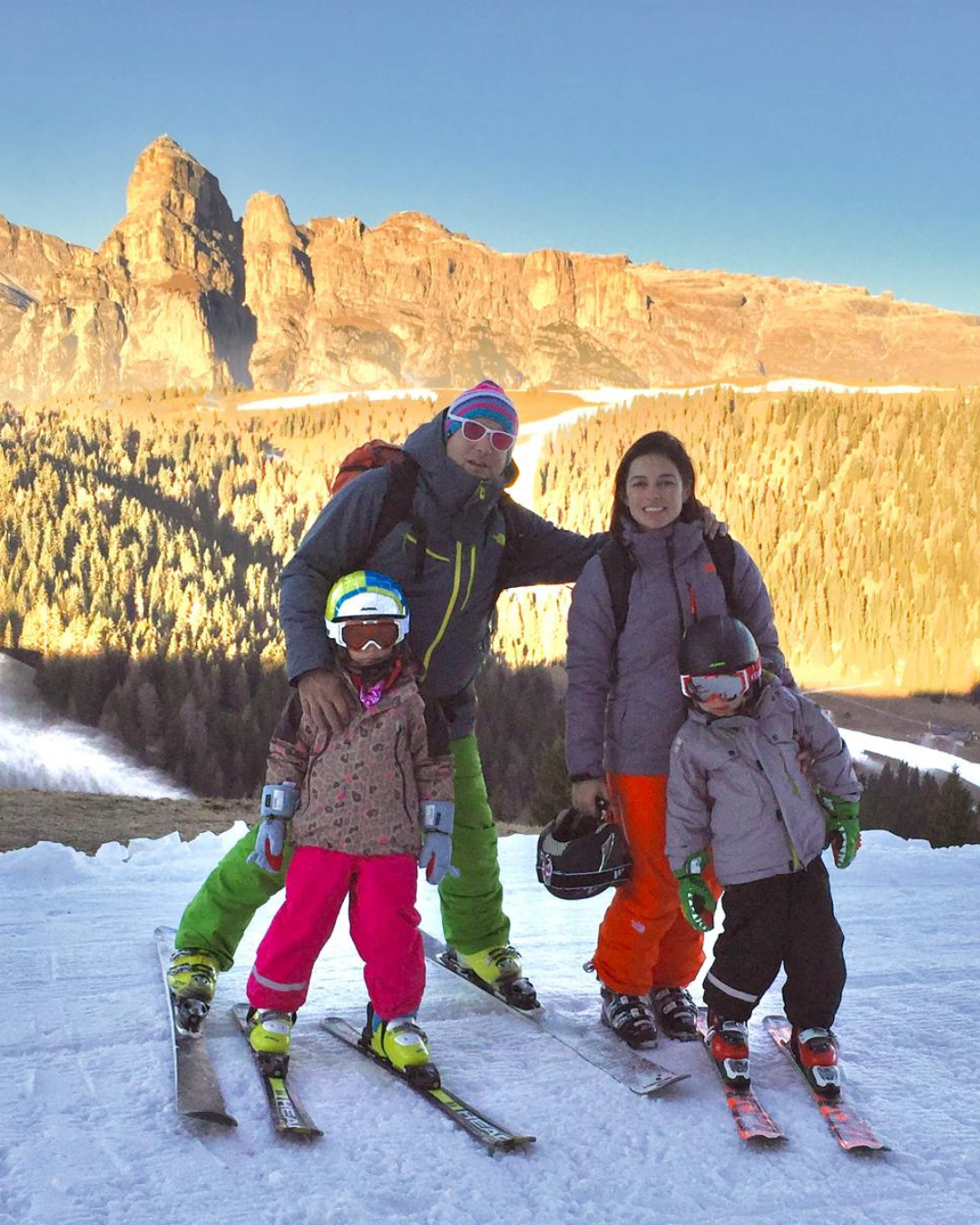
Born in Switzerland in 2010, the twins first skied at age 3 in Moena, in Italy’s Fassa Valley. Their father had learned to ski there, giving the location special meaning for the family.
“As a family, we always wanted skiing to be part of our vacations,” their mother, Maria Brunella Pignaton, said. “Since they were very young, we used to go ski camping in the Dolomites.”
When the twins were about 5, their grandfather began joking about a future Brazilian ski team. He even imagined them competing at the Olympics one day.
“At the time, it was nothing more than a family joke,” Pignaton said. “We never imagined that this little joke could eventually evolve into something where they would actually compete internationally representing Brazil.”
Skiing remained primarily fun until 2019, when Carlotta and Leopoldo entered their first race without specific race training. A strong result at Italy’s Pinocchio sugli Sci began to change the direction of their skiing.
“They loved racing,” their mother said. “That was the moment when skiing started to become something more serious for them, and for us as a family.”
How did skiing reshape the family’s life?
Both had enjoyed other sports, particularly soccer, but skiing gradually began occupying more of their lives.
Pignaton describes herself as a Brazilian mother with no skiing background. Consequently, she had to learn an entirely new sporting world. She researched development pathways and reduced her professional commitments. Eventually, she stopped working to dedicate more time to the twins’ skiing.
In 2022, at age 12, Carlotta and Leopoldo became eligible for FIS Children competitions. They began racing internationally for Brazil.
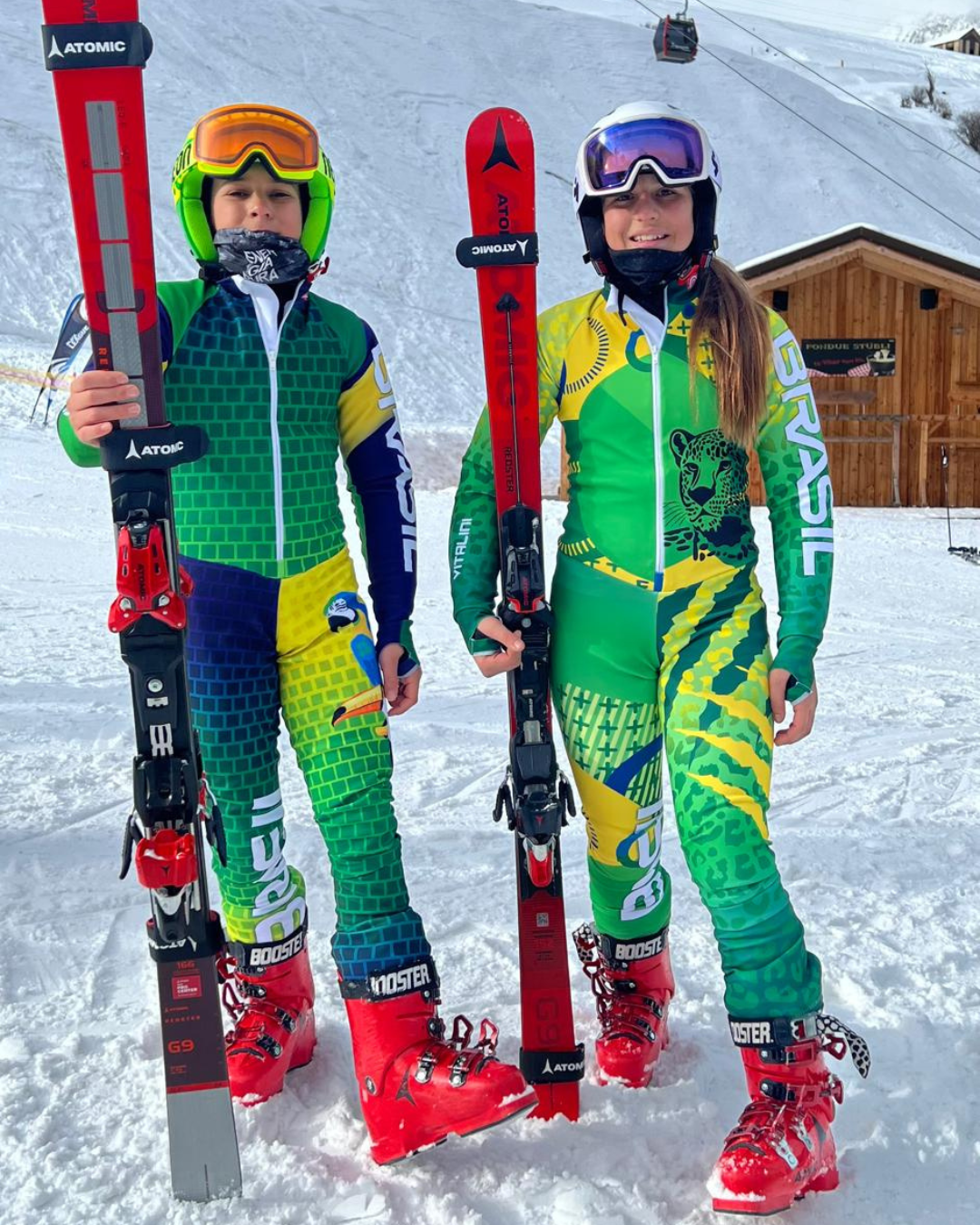
“At first, it was still very much about the fun of it,” she said. “We designed our own Brazilian uniforms, adding elements like the onça-pintada and the tucano, and went to races as a family. We were proud simply to see them competing internationally and representing Brazil.”
Since then, their development has taken them through programs and races in Switzerland, Italy, France and Andorra.
How did Pinheiro Braathen inspire the twins?
Years before Pinheiro Braathen became an Olympic champion for Brazil, he was already an athlete Carlotta and Leopoldo admired.
An Italian magazine later wrote about the twins and their “future Brazilian ski team.” Afterward, Pinheiro Braathen’s father reached out to congratulate them.
“He sent us a message congratulating the children and even sent them a gift from Lucas: shin guards featuring the Brazilian flag,” Pignaton recalled. “The kids were absolutely thrilled.”
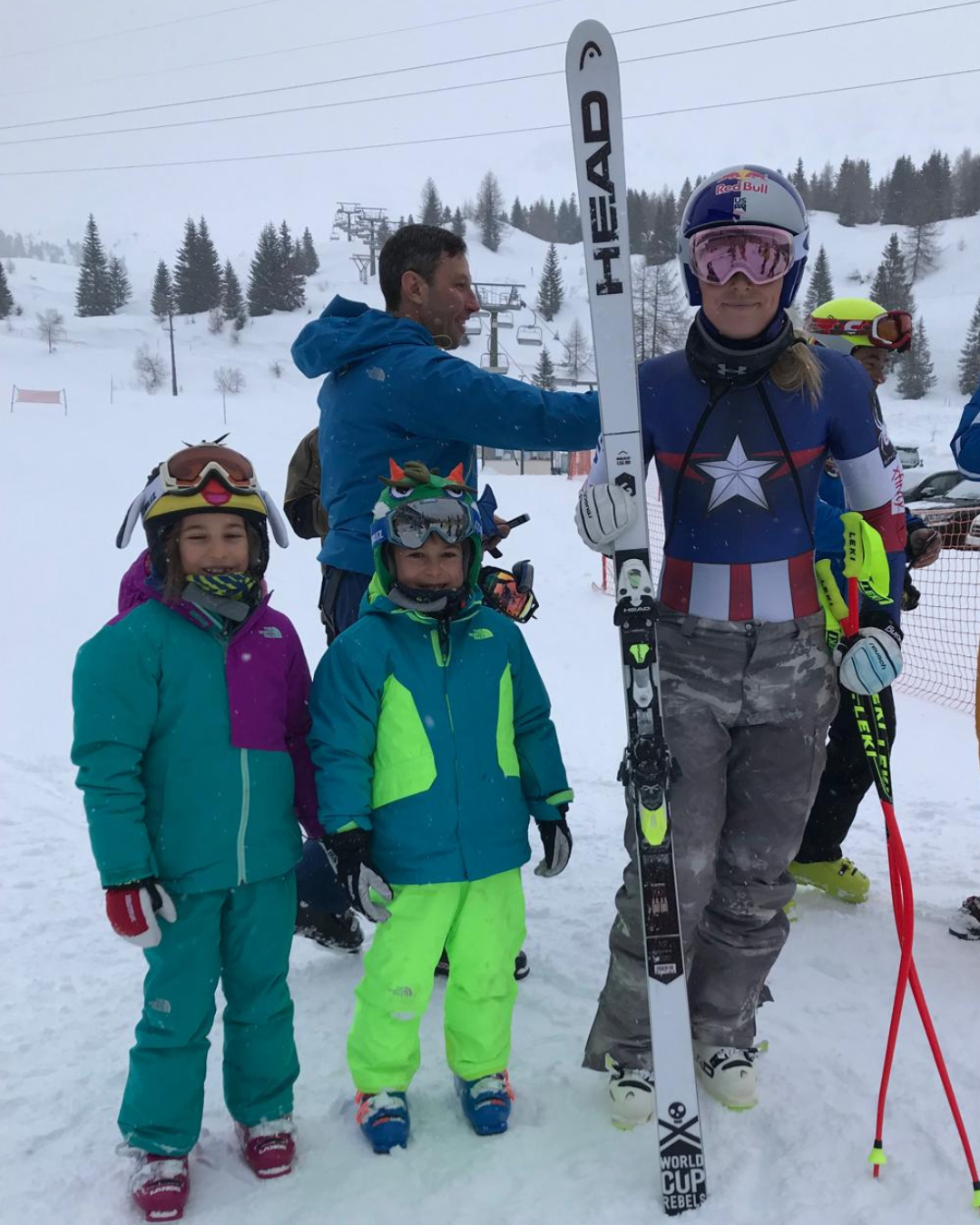
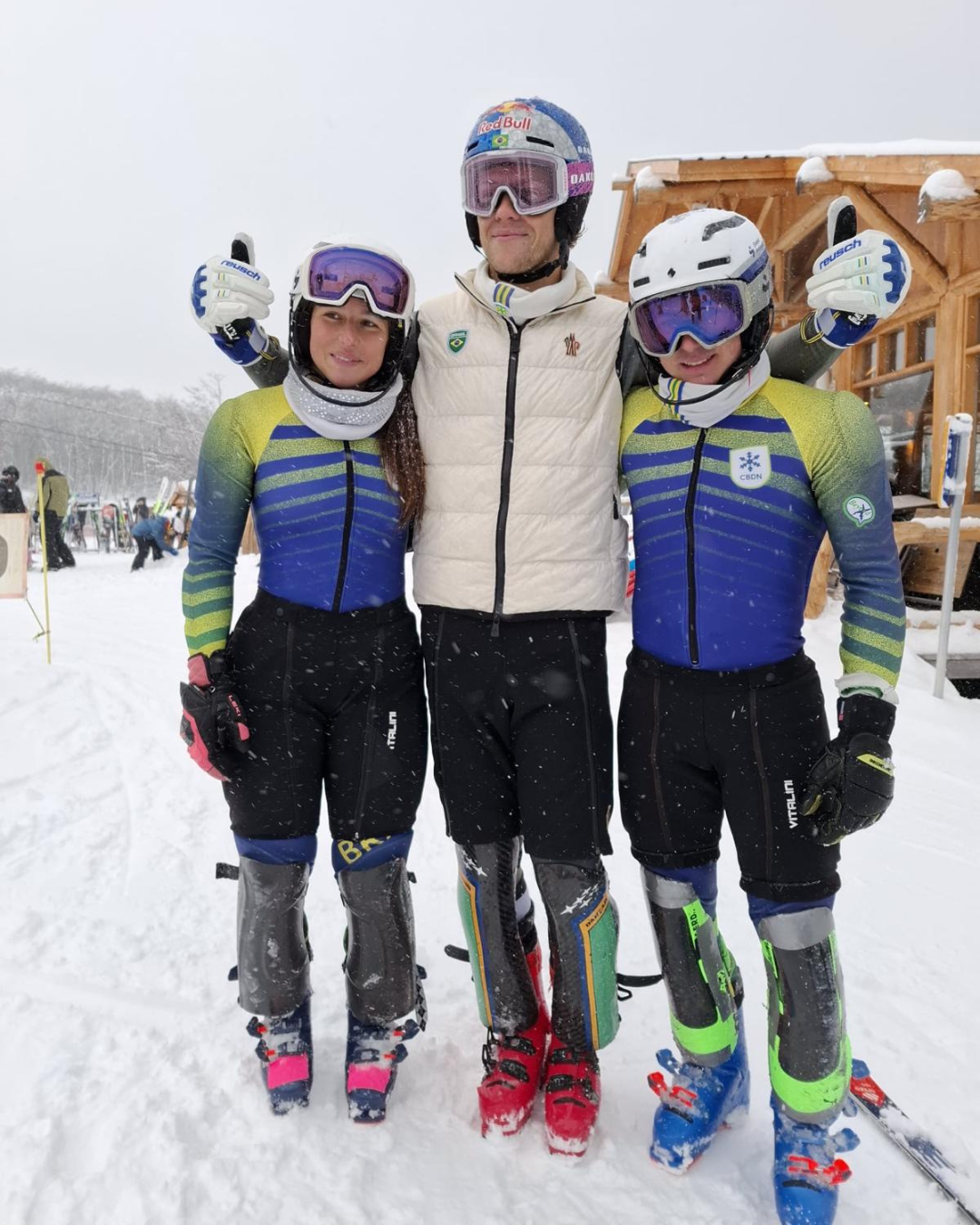
A few months later, they met Pinheiro Braathen for the first time on the slopes in Sölden.
Further meetings followed, both before and after he began representing Brazil. On one occasion, the Brazilian federation arranged a meeting at his hotel. There, the young racers spoke with him about ski racing and how his team operated.
“Every time they met him, he was extremely kind, polite and generous,” Pignaton said. “He would talk to the kids about his experiences, tell them how his team was organized, and share information directly with them.”
For two young athletes still trying to understand what elite skiing actually requires, those conversations mattered.
“Having the opportunity to hear these things from someone they admired so much was incredibly inspiring for Carlotta and Leopoldo,” Pignaton said. “It motivated them even more and gave them a much clearer idea of what it takes to pursue skiing at the highest level.”
Years later, that same athlete would win Olympic gold wearing Brazilian colors.
What comes next on the FIS circuit?
No one knows whether Carlotta and Leopoldo will reach that level. Their story centers on the opportunity now in front of them.
At 16, they are entering a different stage of development.
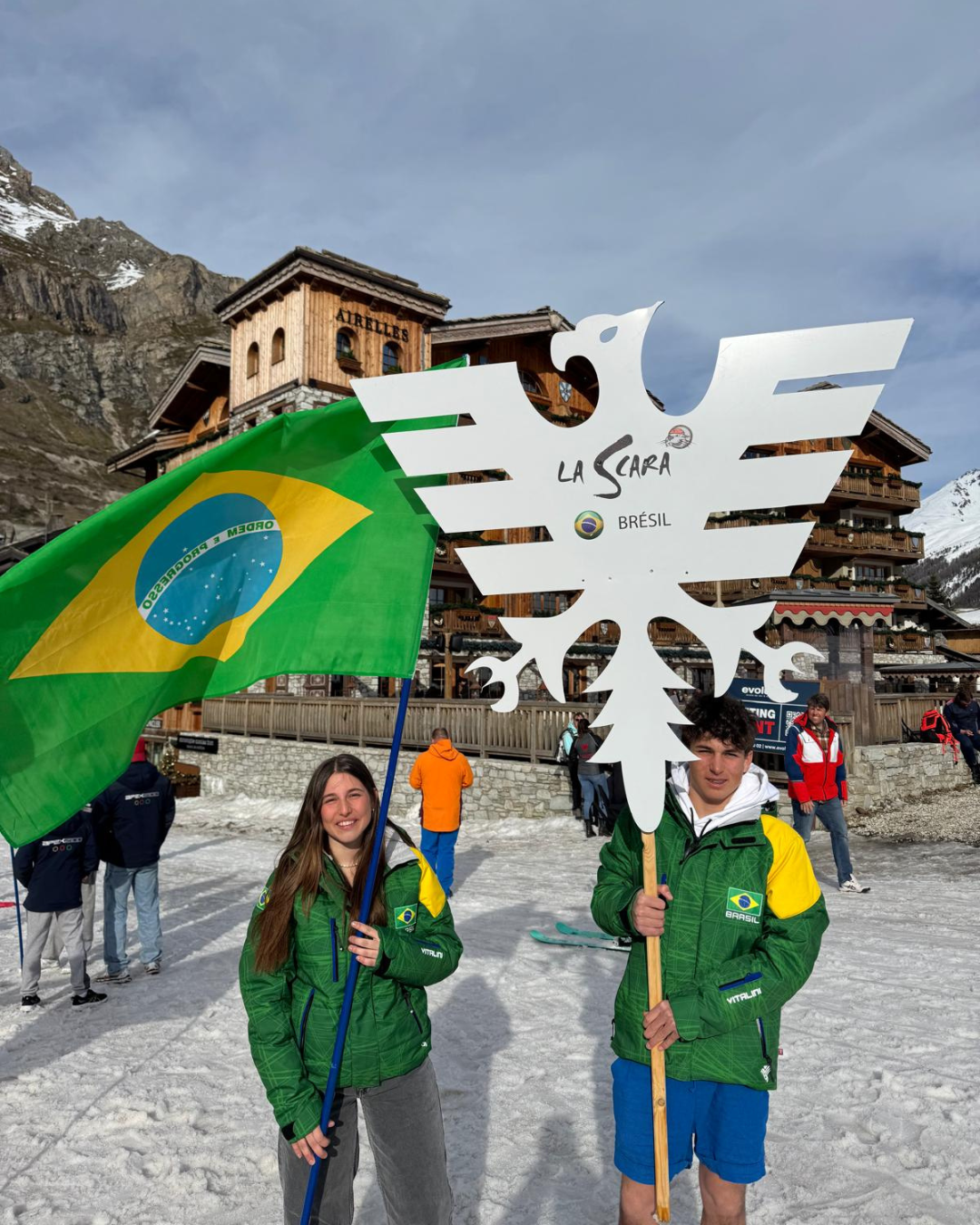
The 2026-27 season marks their transition to the FIS circuit. Their program includes training in Europe and their first FIS races in Argentina. They also plan to compete across Europe while gradually improving their FIS rankings.
Their long-term ambitions include the Youth Olympic Games and, eventually, the Winter Olympics.
“Like children in every sport, their dream is to become champions one day — to represent their country at the Olympics and compete at the highest level in the world,” Pignaton said.
But she is equally clear that the family does not want the dream to come at any cost.
“Our goal, above all, is to keep them motivated and allow them to follow their path in alpine skiing while making sure they do so in a healthy, balanced and positive environment,” Pignaton said. “We want them to enjoy the journey, learn from the challenges and grow not only as athletes but also as young people.”
That journey now shapes almost every part of family life.
“Everything in our household is organized around the ski schedule,” she said. Pignaton added that the family now plans even its vacations around skiing. After months on snowy slopes, they look for sunshine and vitamin D.
What does the ski racing dream cost?
The family plans more than 200 days on snow each year. That schedule reveals a reality shared by many ski racing families. The commitment extends far beyond entry fees and equipment.
Their preparation includes physical training, mental coaching, nutrition, physiotherapy and continuous performance support.
“Pursuing this level of skiing requires much more than simply buying skis and traveling to races,” Pignaton said.
Equipment, boots, tuning, clothing, travel, accommodations and transportation account for only some of the expense. Developing athletes also requires coaches, physiotherapists, doctors, nutritionists and other specialists.
“The financial commitment is significant,” she said. “For us, every investment is ultimately an investment in their opportunity to pursue this path.”
There are no guarantees.
And that is precisely why the family has chosen a broader definition of success.
“Even if results are not always measured in medals or podiums, the dedication, discipline and commitment they are giving to alpine skiing at such a young age will already give them something invaluable in return,” Pignaton said.
Pignaton sees increasingly independent, resilient and mature teenagers emerging from that process.
“For us, and for families of young athletes who spend so much time on the slopes and in the gym, this is already a success in itself,” she said. “Regardless of results, it is what makes the journey meaningful.”

How can Olympic gold create a pathway for Brazil?
For the Brazilian Ski and Snowboard Confederation, that next generation represents one of the central questions after Milano Cortina.
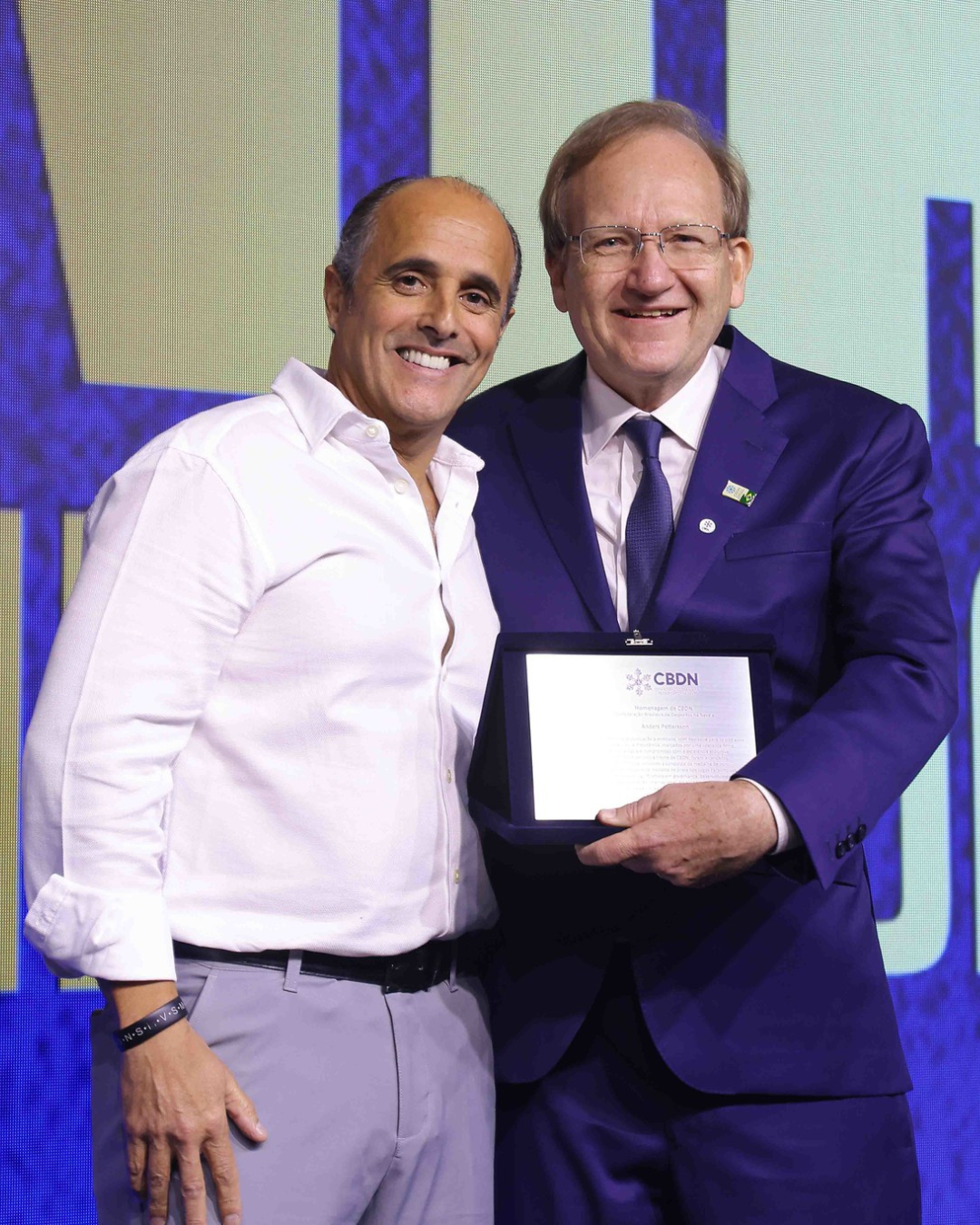
CBDN president Carlos Eduardo Barros said Pinheiro Braathen’s Olympic gold has already had a dramatic effect.
“The impact of Lucas’ gold medal and the Olympic Games has been truly incredible in Brazil,” Barros said. “We’ve seen a significant increase in public interest, with many more people now following alpine skiing than ever before.
“Beyond the immediate visibility, we believe this success can inspire a new generation of young athletes to discover the sport and pursue it at a high level. That is probably the greatest legacy of an Olympic medal — not only the achievement itself, but the ability to inspire future generations. Our responsibility now is to create the right opportunities and pathways for those young athletes to develop.”
Barros, who succeeded Anders Pettersson as CBDN president, sees that process over a much longer horizon than one Olympic cycle.
“My role is very much about continuity. Over the past few years, CBDN achieved an Olympic gold medal and a Paralympic medal, which makes us extremely proud and shows that the federation has been moving in the right direction.”
Barros said he wants to build on that foundation while improving the support available to athletes.
“We always have to keep looking ahead, thinking not only about the next Olympic cycle but about where we want Brazilian snow sports to be in four, eight or even 12 years,” he said.

What will define the twins’ next chapter?
For Carlotta and Leopoldo, those years will define the next chapter of their story.
The immediate target is not an Olympic medal. It is the next FIS race, the next improvement and the transition from successful youth racing to senior international competition.
More than 30 years ago, Brazilian alpine skiers entered an Olympic world in which their country had almost no tradition. In 2026, Brazil finally had an Olympic champion.
Carlotta and Leopoldo belong to the first generation growing up with something those athletes never had:
proof that the dream is possible.
About the Author: Darka Sefcik Starnova