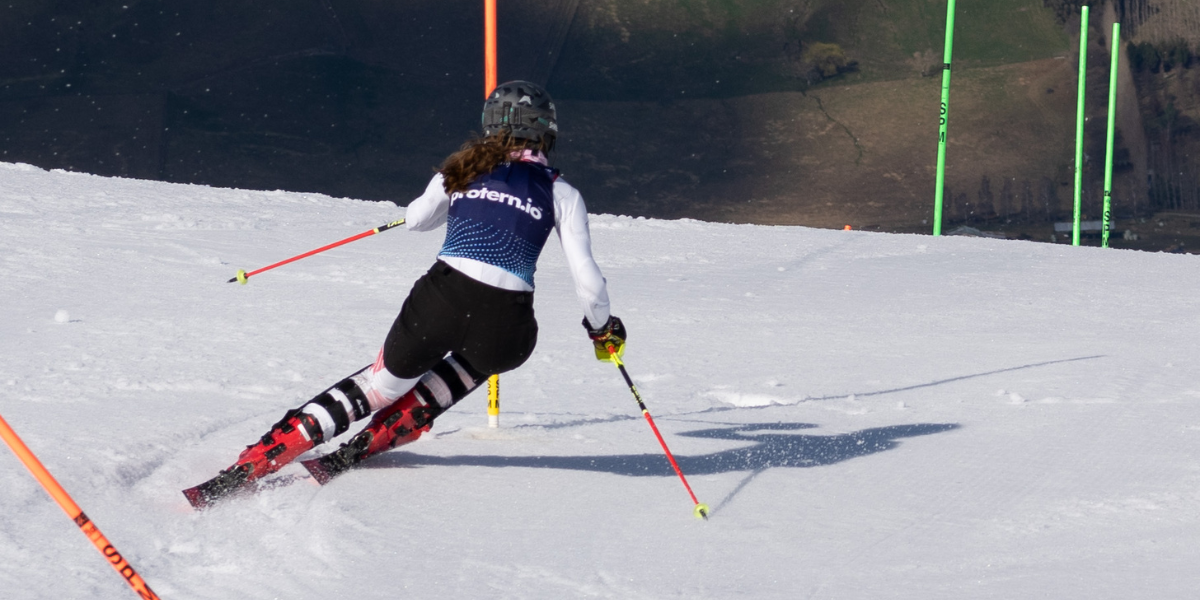

Featured Image: Diston athlete Tiziano Gravier of Argentina racing World Cup. Credit: GEPA
Cut-resistant undergarments have gained popularity in the ski racing industry, driven by a strong commitment to athlete safety. The definition of a cut-resistant undergarment by the International Ski Federation (FIS) is a clothing item worn underneath the competition suit, designed to improve the athlete’s protection against cut injuries.
FIS, alongside many brands, prioritizes the well-being of athletes and consistently seeks solutions to guarantee that racers remain secure on the slopes.
Diston Anticut Shield apparel was the first brand worldwide to offer cut-resistant garments with a FIS 3-star level of protection. The brand continues to excel, not only providing protection from lacerations but also from abrasions (skin burning).
Diston progressively innovates, and they are keeping a close eye on the FIS mandates and requirements.
The FIS Council Establishes Mandates
In the 2024 FIS Specifications for Alpine Competition Equipment, the governing body elaborates on the requirements, specifications, certification levels, implemented mandates, and the idea of further protective zones for cut-resistant apparel.
In the FIS specifications, it states that by the 2025/26 season, cut-resistant pants will be mandatory for all race categories level 0 and 1, ensuring protection from the iliac crest to the ski boot. Diston, with its 3-star FIS label, already meets and exceeds these requirements.
Tiziano Gravier of Argentina and Giselle (Gigi) Gorringe of Great Britain were both overall champions in the South American Alpine Cup this past season, and they both gave insight as to why they believe FIS Council mandates for cut-resistant undergarments are important.
Gravier stated, “I think that it is really important. As athletes, sometimes I don’t think we take into account how dangerous this sport is.”
He further admitted: “In the beginning I was a bit against using this [the undergarments], but we have countless examples of friends and people we know, such as Aleksander Aamondt Kilde, that suffered big cuts from crashes, which is really unfortunate. So, this is a way to be protected and feel safe.”
Gorringe stated, “The sport has progressed massively in the past 20 years; in many ways the safety protocols and measures have increased and been improved. Therefore, as skis become sharper and skiers achieve higher speeds and forces, it is crucial that appropriate safety measures are put in place, including, of course, cut-resistant apparel and, more recently, the airbag in speed disciplines.”
The discussion also encompassed climate change and the various factors and conditions that persistently pose challenges for racers, resulting in unpredictability on the hill. Gorringe articulated, “With this, the physical safety of race athletes must be of proportionally increased concern as a result of these changes; cut-proof apparel and body air bags are becoming essential.”

2025: Further Defining Mandates for other Protective Zones
In the spring of 2025, the FIS Council will provide additional clarification on the mandates concerning upper-body and other protective zones for cut-resistant clothing.
Diston is already leading the way in this area, as it is the sole brand currently offering the 3-FIS star certification in neckguards and tops.
Gorringe gave her opinion regarding the possible mandate: “I believe that upper body and neck-cut protection seems to be a necessary next step for athletes, in the same way that speed athletes now must wear an air bag.”
Gravier thinks it would be an important mandate to look at in giant slalom too. He stated, “In GS, it would be interesting to think about the possibility of something for the neck, possibly as an extension of a thermal top or as a separate piece. I think the neck is a bit exposed, and it would be a good idea to think of requirements for it.”

The Importance of Mandatory Requirements for Cut-Resistant Apparel
Athletes, brands, teams, organizations, and stakeholders involved in ski racing understand the risks that come with the sport and have made great strides in finding ways to enhance athlete safety.
The athletes support these efforts to ensure their protection while on the slopes.
Comprehensive body protection is ensured by Diston through the design of apparel that safeguards areas not covered by helmets, gloves, and boots.
Gorringe states how he believes Diston stands out as these mandates enter the industry: “Diston’s high-level products and qualifications. Also, their significant focus on athletes and their presence on social media, amongst others.”
“Their posts on social media about the achievements of their athletes evoke the sense that their athletes and their athletes’ performances are their highest priority,” she further explains.
Gravier boasted about the Diston pants: “Diston stands out in the category of their pants. I had the opportunity to try other brands, but they were a bit stiff and uncomfortable. Safety and security are important, but we also need to feel comfortable in our gear in order to perform. I think the Diston pants are the most comfortable and made me feel safe.”
#protectedwearestronger

About the Author: Ellie Hartman