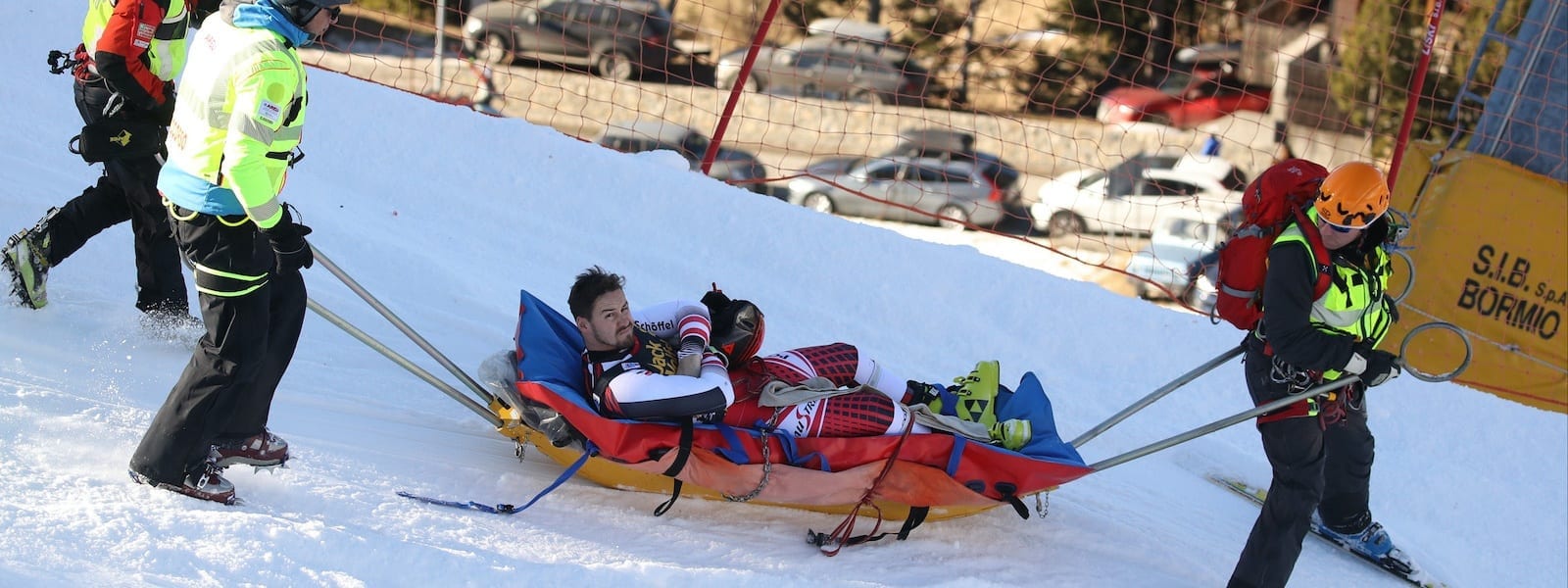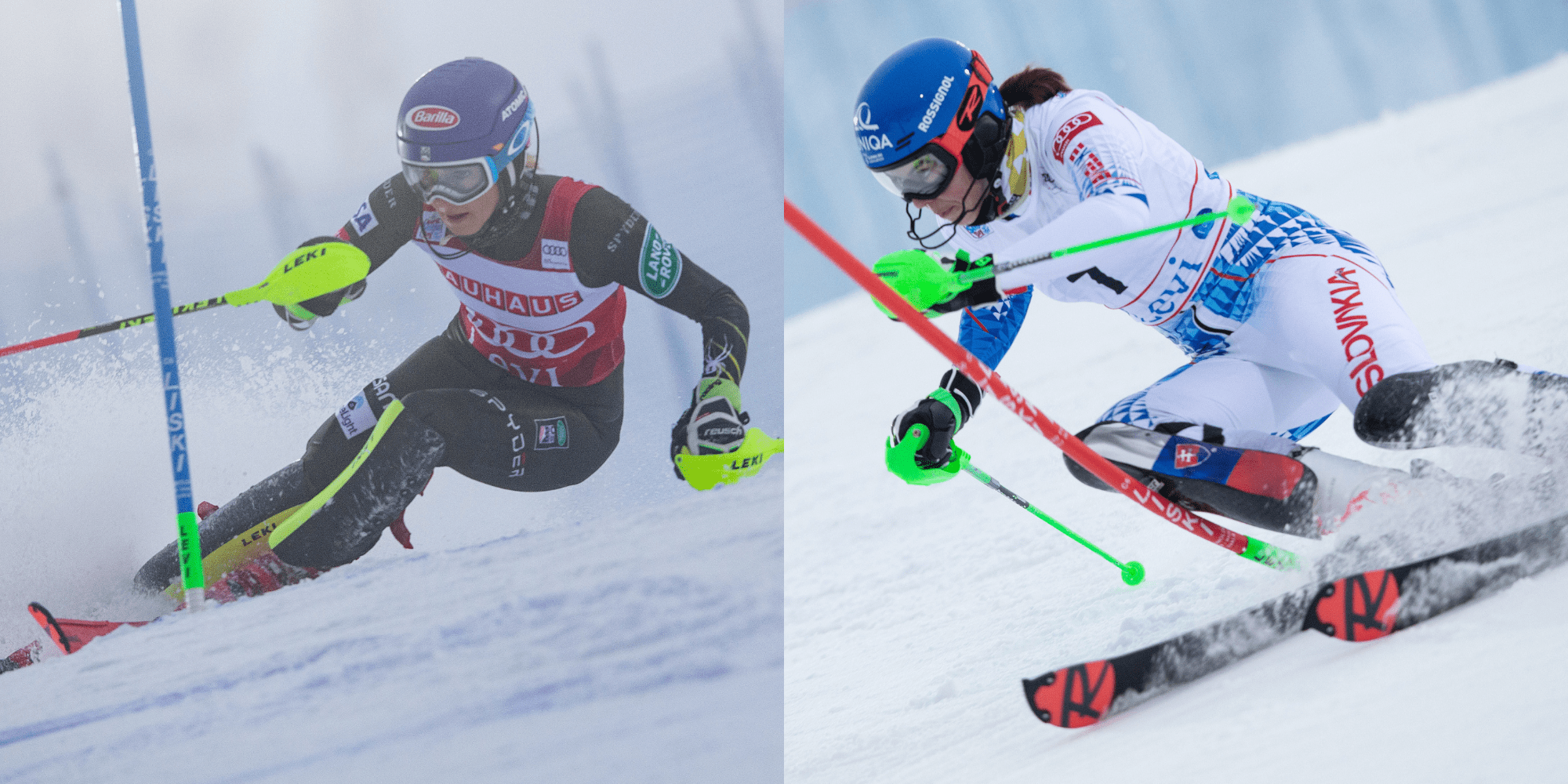
Not expecting any surprises in Levi (but can’t wait to see what happens)
And yet between the first writing of that headline and circling back to edit, comes



And yet between the first writing of that headline and circling back to edit, comes
Editor's note: Ski Racing Media, in collaboration with the Team America Foundation, has announced an
In my last post, Fear of Failure: Part 1, I discussed the sad epidemic of
Upon hearing about the new FIS Homologation at Buck Hill earlier this Summer, I was
After the abrupt end of the last race season, everyone in the ski racing community
I love writing on topics that combine injury rehabilitation, skiing, and current events. With real-life
As of last week, coaches of sports at some institutions of secondary education were urged
In addition to my work in the sports world, I have also consulted extensively in
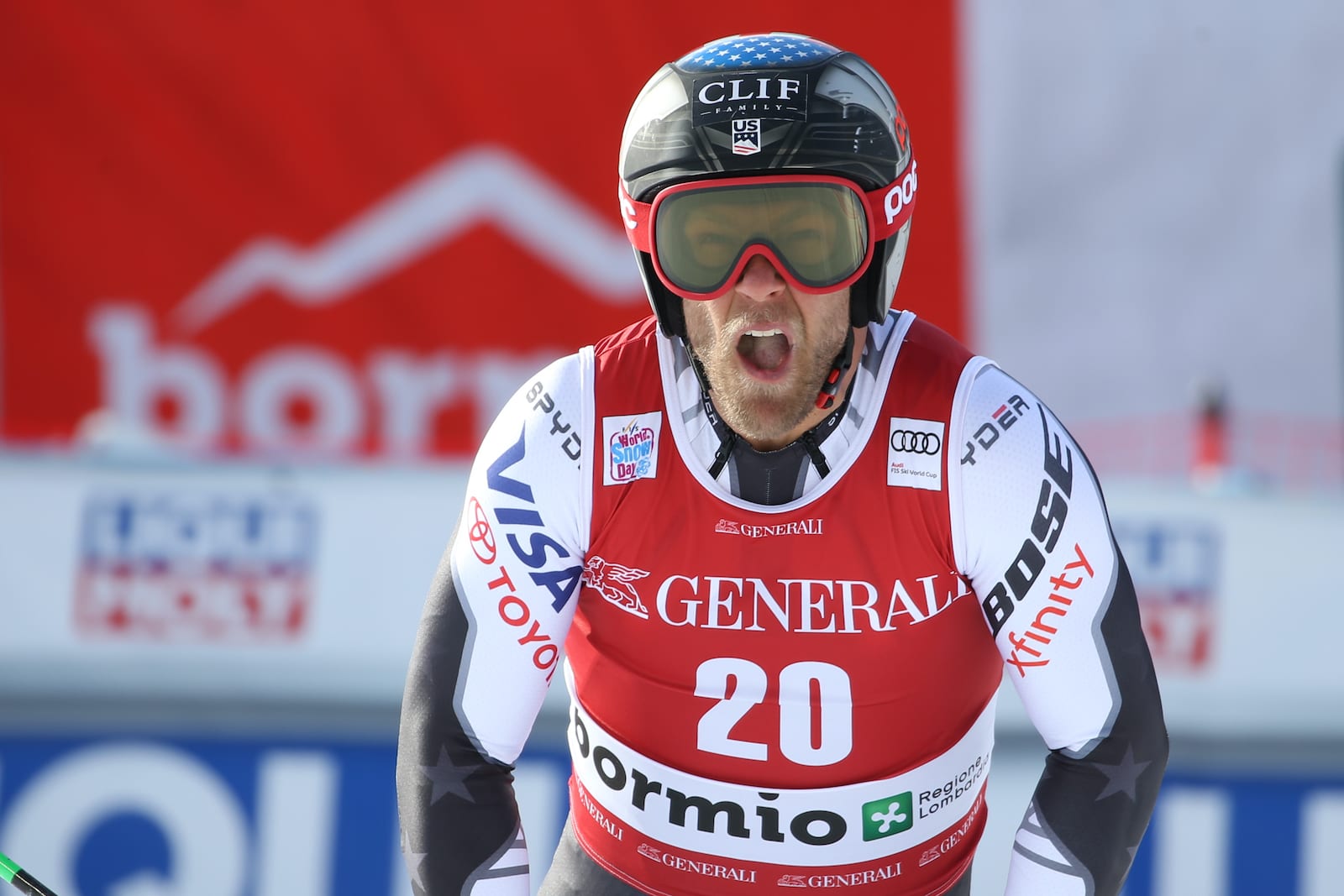
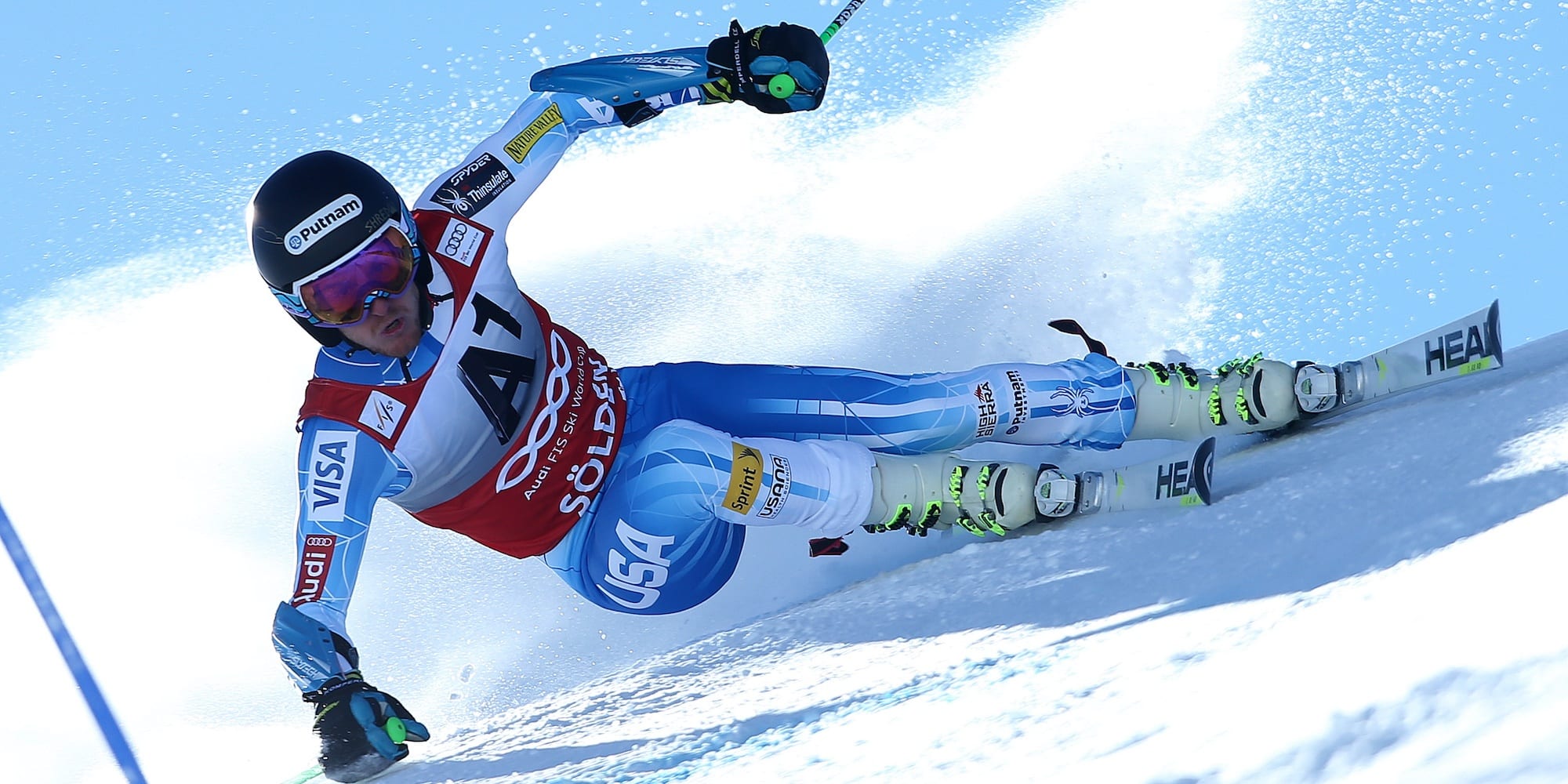
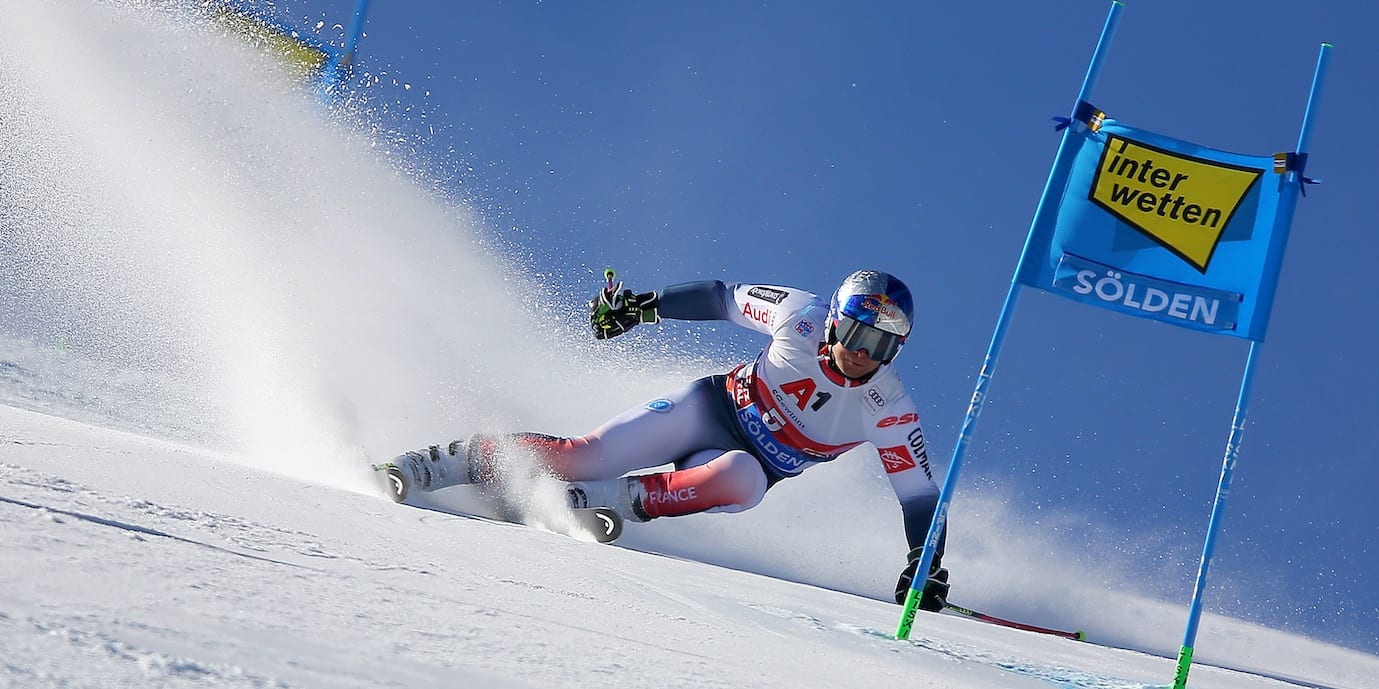
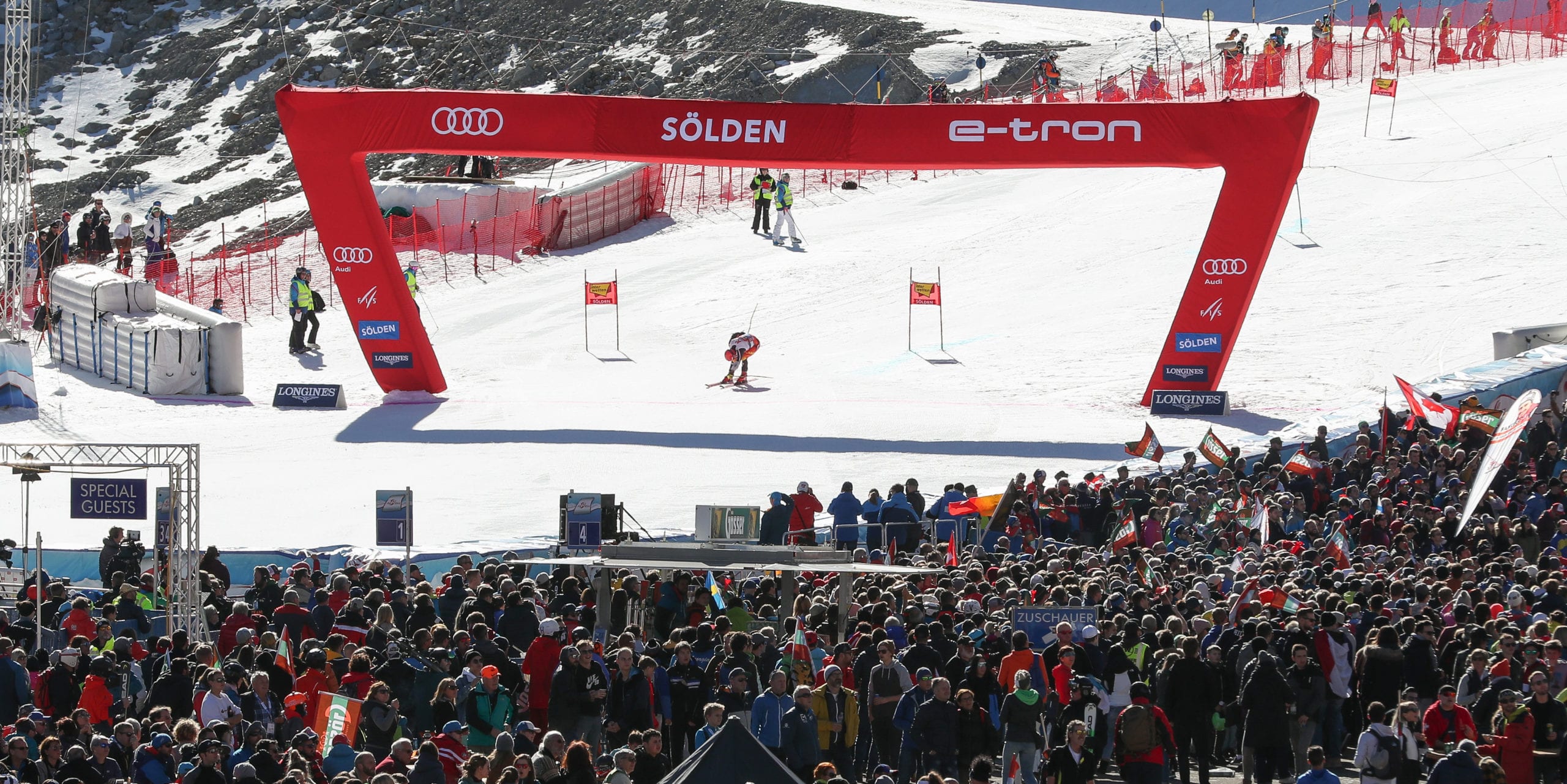
Soelden has always represented something of a premature start to the Alpine World Cup season.
The most underutilized resources in the United States’ ski racing system are the colleges and universities.
I enjoyed the article written by Kirk (Dwyer) and he brings up many valid points
In the mid 1970s, CBC journalist David Ritchie penned a book, “Ski the Canadian Way,” along with chapter contributions from notable athletes his brother, John, was coaching at the time: Ken Read, Steve Podborski, Dave Irwin and Dave Murray. You read that correctly — the Crazy Canucks.
It’s hard to believe the summer, what I consider Phase I of the ski racing
This should be posted as a point of public service. I have just come across
It's important to remember that athletics often require an array of strength, power, mobility and stability across multiple planes of motion. Often times we can get carried away with the weight on the bar or the speed at which we are training but neglect which direction we are going.
University of Colorado coach Richard Rokos chimes in with some words of wisdom about the upcoming season. Things aren't as bad as they look on the surface, he says. We can make the best of this!
The issue is not that there are not enough opportunities for athletes to receive comprehensive and professional training and coaching; the issue is there are too many.
Thank you Ski Racing Media for sharing Todd Firestone’s letter: Why the Pandemic Could Spur
Mental training, traditionally called sport psychology, can suffer from ‘guilt by association’ with the broader field of clinical psychology that still carries the stigma that only screwed-up people seek professional help. This perception, however inaccurate it is, can prevent athletes, coaches, and parents from seeing mental preparation for what it is.
I think a lot of ‘ski’ people dream of replicating the atmosphere and winter culture
In Junior Development Part 1 – Lessons from Soccer, a look inside the Philadelphia Union
Where are the Europeans training this summer? Check out the article on FIS Alpine about
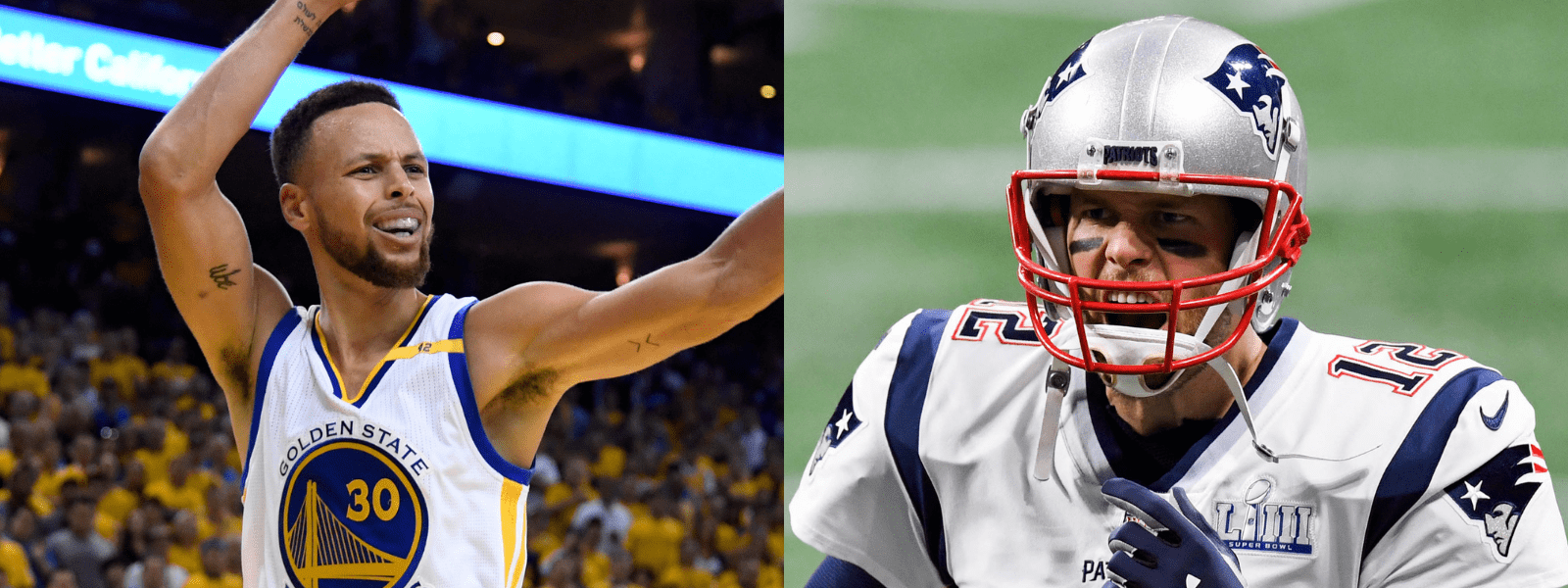
Curry and Brady are just two examples that any scientist would say are anecdotal examples, not scientific proof of nurture versus nature. But given that there is science behind this principle and many, many examples in ski racing, I propose it is irrefutable that ski racers can be made and are not necessarily born.
A combination of risk factors including high skiing speed, athlete strength, equipment, snow conditions, course/terrain changes, and the risk-consuming attitudes of a skier makes skiing one of the most dangerous sports.




















Ski Racing Media is the leading international media company in alpine skiing, providing industry expertise, storytelling, and education.
Contact us: info@skiracing.com
©2026 | Ski Racing Media